
 |
|
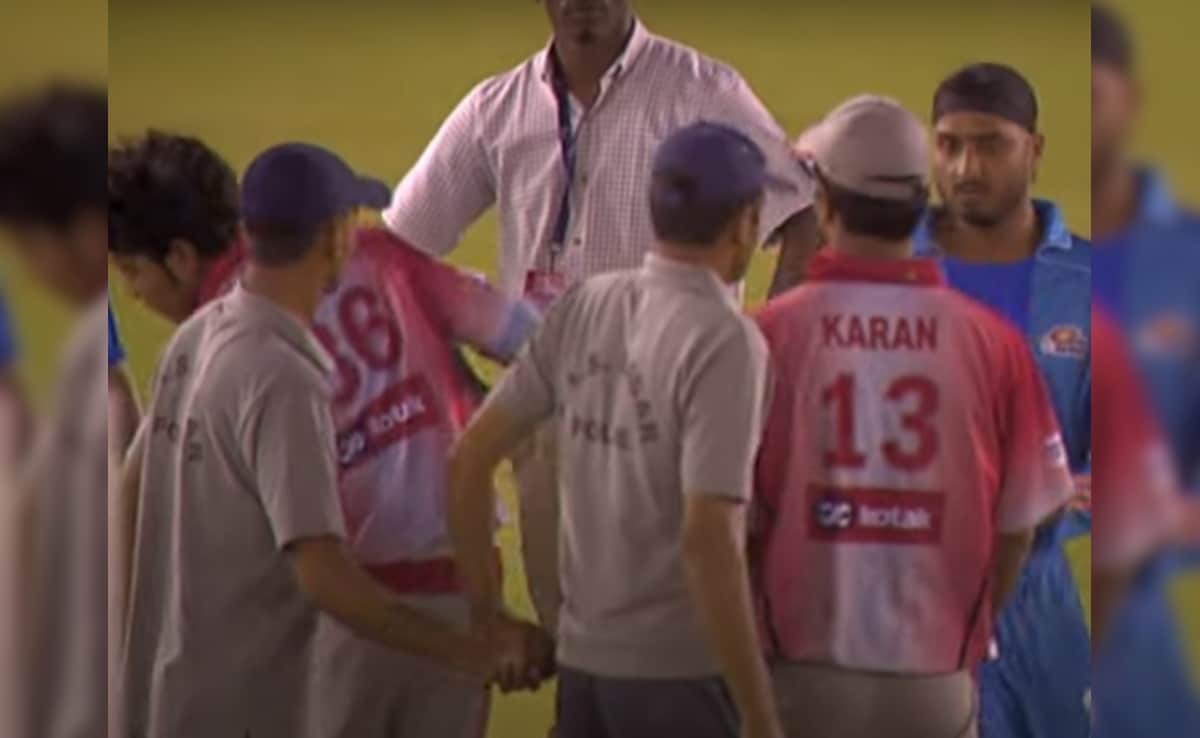
The incident known as 'slapgate,' which occurred during the inaugural season of the Indian Premier League (IPL) in 2008, has resurfaced after former IPL chairman Lalit Modi released unseen footage of the event. The incident, involving Harbhajan Singh of the Mumbai Indians and S. Sreesanth of Kings XI Punjab, had been largely kept under wraps, with only limited glimpses of the immediate aftermath making their way to the public. The release of the raw footage by Modi has reignited the controversy and brought renewed attention to a moment that both players have attempted to move past. The incident itself took place after a match between the two teams, with Harbhajan slapping Sreesanth for reasons that remain somewhat disputed. While the exact details leading up to the slap have always been subject to speculation, the footage now provides a clearer picture of the physical altercation itself. The release is particularly noteworthy given the passage of time, with Modi stating that he had held onto the footage for eighteen years before deciding to make it public. This decision raises questions about his motivations and the potential impact on the reputations of both players involved. It also highlights the enduring nature of controversial incidents in sports, which can continue to generate interest and debate long after they have occurred. The initial reaction to the 'slapgate' incident in 2008 was one of shock and condemnation. Harbhajan Singh, a prominent figure in Indian cricket, faced widespread criticism for his actions. Sreesanth, on the other hand, was seen as a victim of unwarranted aggression. The IPL, then in its infancy, also faced scrutiny for its handling of the situation. The league took disciplinary action against Harbhajan, imposing a suspension and a fine. However, the incident left a lasting mark on the IPL's reputation, raising concerns about player conduct and the league's ability to maintain discipline. The release of the unseen footage by Lalit Modi adds another layer to the already complex narrative surrounding 'slapgate.' It provides a more complete picture of the incident, allowing viewers to draw their own conclusions about what transpired. However, it also risks reopening old wounds and potentially causing further damage to the reputations of Harbhajan Singh and Sreesanth. The timing of the release is also significant, coming at a time when both players have moved on from the incident and are focused on other aspects of their lives. Harbhajan has since retired from professional cricket and is involved in various media and commentary roles. Sreesanth, after a period of controversy and legal battles, has made a comeback to cricket and is seeking to rebuild his career. The resurfacing of 'slapgate' could potentially undermine their efforts to move forward and put the past behind them. The incident also serves as a reminder of the intense pressure and scrutiny that professional athletes face, particularly in high-profile leagues like the IPL. The constant media attention and the demands of performing at the highest level can often lead to moments of frustration and misjudgment. However, athletes are also expected to be role models and to conduct themselves with a certain level of decorum. The 'slapgate' incident highlights the challenges of balancing these competing expectations. The long-term impact of the 'slapgate' incident on the relationship between Harbhajan Singh and Sreesanth is also a matter of interest. While both players have publicly stated that they have moved on from the incident, it is likely that it has left a lasting impact on their personal and professional relationship. The release of the unseen footage by Lalit Modi could potentially strain their relationship further. The incident also raises questions about the role of the media and the public in shaping perceptions of athletes and sporting events. The constant coverage and scrutiny can often amplify controversies and make it difficult for those involved to move on. The release of the unseen footage by Lalit Modi is a reminder of the enduring power of media to shape narratives and influence public opinion. It also highlights the importance of responsible journalism and the need to consider the potential impact of media coverage on the lives of individuals involved in sporting controversies. The 'slapgate' incident is a complex and multifaceted event with no easy answers. It serves as a reminder of the challenges of managing player conduct in professional sports, the importance of responsible media coverage, and the enduring power of controversies to shape perceptions and influence relationships. The release of the unseen footage by Lalit Modi has reignited the debate surrounding 'slapgate' and brought renewed attention to a moment that both Harbhajan Singh and Sreesanth would likely prefer to forget.
Harbhajan Singh's recent expression of regret regarding the 'slapgate' incident underscores the lasting impact of the event on his career and personal life. He stated that if he could erase one moment from his past, it would be the altercation with Sreesanth. This admission reveals the profound sense of remorse that Harbhajan carries, even years after the incident occurred. He has repeatedly apologized for his actions, acknowledging that they were wrong and that he should not have reacted in the way he did. His willingness to publicly express his regret demonstrates a level of self-awareness and a commitment to making amends for his past mistakes. The fact that Harbhajan continues to apologize for the incident, even years later, suggests that he understands the gravity of his actions and the impact they had on Sreesanth and the broader cricketing community. His repeated apologies also indicate a genuine desire to repair the damage he caused and to rebuild his reputation. Harbhajan's account of meeting Sreesanth's daughter and her negative reaction to him provides a particularly poignant illustration of the lasting consequences of the 'slapgate' incident. Her statement that she did not want to speak to him because he had hit her father deeply affected Harbhajan, causing him to question the impression he had left on her. This experience highlights the ripple effect of his actions, which extended beyond the immediate participants and impacted their families. Harbhajan's emotional response to his interaction with Sreesanth's daughter reveals the extent of his regret and his desire to be seen in a more positive light. It also underscores the importance of considering the long-term consequences of one's actions, particularly when they involve public figures and are widely publicized. Harbhajan's willingness to share this personal anecdote demonstrates his vulnerability and his commitment to taking responsibility for his past mistakes. The incident with Sreesanth's daughter serves as a powerful reminder that actions have consequences and that it is important to consider the impact of one's behavior on others, especially children. Harbhajan's expression of regret is not merely a perfunctory apology but a genuine acknowledgment of the harm he caused and a commitment to doing better in the future. His willingness to take responsibility for his actions and to make amends for his mistakes is a testament to his character and his desire to be a better person. His experience with Sreesanth's daughter has undoubtedly reinforced his resolve to learn from his past mistakes and to use his platform to promote positive values. The 'slapgate' incident remains a significant chapter in Harbhajan Singh's career, but his expression of regret and his commitment to making amends demonstrate his willingness to learn from his past mistakes and to move forward in a more positive direction. His story serves as an example of the importance of taking responsibility for one's actions and of striving to be a better person, even in the face of adversity.
The release of the 'slapgate' video by Lalit Modi after eighteen years raises several questions about his motives and the ethics of releasing such material after so long. While Modi claims that he had simply kept the footage stored away, the timing of its release, after such a significant period, is certainly questionable. One potential motive could be to reignite interest in the IPL, a league that Modi was instrumental in creating and promoting. The release of controversial footage from the league's early days could generate publicity and draw attention back to the IPL, particularly at a time when other cricket leagues are emerging and competing for viewership. Another possible motive could be to settle old scores or to take a dig at those who may have been involved in Modi's ouster from the IPL. Modi's departure from the league was mired in controversy, and it is possible that he harbors resentment towards those he believes were responsible for his downfall. The release of the 'slapgate' video could be seen as a way of reminding people of the controversies that have plagued the IPL and of potentially undermining the reputations of those associated with the league. From an ethical standpoint, the release of the video after so long raises concerns about the privacy of the individuals involved and the potential for causing them further harm. Harbhajan Singh and Sreesanth have both moved on from the incident and have attempted to rebuild their careers and reputations. The release of the video could reopen old wounds and subject them to renewed scrutiny and criticism. It is also questionable whether Modi had the right to release the video without the consent of the individuals involved. The video was recorded by security cameras under his control, but it is unclear whether Harbhajan and Sreesanth were aware that their altercation was being filmed or that the footage could potentially be released to the public. The release of the video also raises broader questions about the role of social media and the internet in amplifying controversies and perpetuating negativity. Once the video was released, it quickly spread across various online platforms, generating a wave of comments and opinions. This highlights the challenges of controlling the spread of information in the digital age and the potential for online platforms to be used to harass and humiliate individuals. In conclusion, the release of the 'slapgate' video by Lalit Modi is a complex and ethically questionable act. While it may have been motivated by a desire to generate publicity or to settle old scores, it also raises concerns about the privacy of the individuals involved and the potential for causing them further harm. The incident serves as a reminder of the importance of considering the ethical implications of one's actions, particularly in the digital age, and of the need to protect the privacy and dignity of individuals, even those who have been involved in controversies.
Source: Harbhajan Singh's Ugly Slapgate Video With S Sreesanth Released By Lalit Modi: "18 Years..."