
 |
|
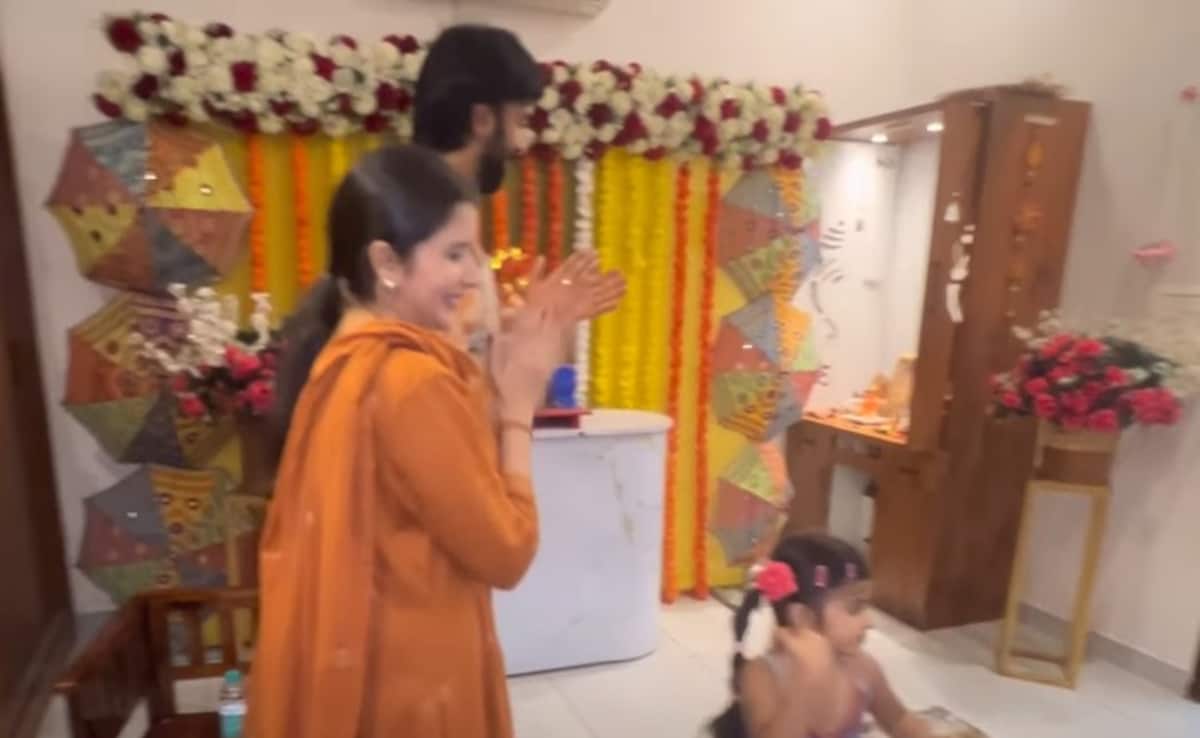
The reunion of Charu Asopa and Rajeev Sen for Ganapati celebrations in Bikaner has once again brought their complex relationship into the spotlight. This event, documented in Charu's vlog and Rajeev's social media posts, showcases a seemingly amicable atmosphere between the former couple, despite their highly publicized and acrimonious divorce. The presence of Sushmita Sen's mother, Subhra Sen, adds another layer of intrigue, suggesting continued familial ties despite the separation. The article details Charu's relocation to her hometown of Bikaner due to financial difficulties following the divorce, providing context to her decision and highlighting the practical considerations that often influence personal choices, especially when children are involved. Charu's candid explanation of the high cost of living in Mumbai, coupled with the challenges of juggling work and childcare, offers a relatable perspective for many single parents. Her decision to move back to Bikaner, while seemingly drastic, reflects a pragmatic approach to managing her finances and ensuring her daughter Ziaana's well-being. Rajeev's reaction, or lack thereof, to Charu's move is also noteworthy. The article mentions that Charu simply informed him of her plans via text, suggesting a level of detachment or perhaps an acceptance of their new co-parenting dynamic. The context of their turbulent marriage and public fights adds weight to this seemingly simple exchange. The fact that they are now able to come together for family celebrations, despite their past differences, speaks volumes about their commitment to co-parenting their daughter. However, it also raises questions about the true nature of their relationship and whether there is any possibility of reconciliation in the future. While the article refrains from speculating on this front, it leaves the reader with a sense of cautious optimism, highlighting the potential for healing and growth even after a difficult divorce. The focus on Ziaana's happiness during the Ganapati celebrations further underscores the importance of maintaining a positive and supportive environment for the child, regardless of the parents' relationship status. This emphasis on co-parenting and prioritizing the child's needs is a recurring theme in the article, reflecting a growing trend in contemporary divorce narratives. The article also touches upon the financial realities of single parenthood, shedding light on the often-overlooked challenges faced by individuals who are solely responsible for raising a child. Charu's decision to move to Bikaner is a testament to her resourcefulness and her willingness to make sacrifices for her daughter's well-being. Her story serves as an inspiration to other single parents who may be struggling to make ends meet, demonstrating that there are alternative solutions and that it is possible to create a stable and fulfilling life even in the face of adversity. The article's overall tone is neutral and objective, presenting the facts without bias or judgment. It allows the reader to draw their own conclusions about the situation, while also providing sufficient context and background information to fully understand the complexities of Charu and Rajeev's relationship. The article's focus on personal anecdotes and direct quotes from Charu adds a layer of authenticity and credibility, making it more engaging and relatable for the reader. The inclusion of Rajeev's social media posts further enhances the article's visual appeal and provides a glimpse into his perspective on the situation. The combination of text and images creates a more immersive and informative reading experience. The article is a valuable contribution to the ongoing conversation about divorce, co-parenting, and the challenges of single parenthood. It offers a nuanced and realistic portrayal of these issues, while also highlighting the potential for resilience and growth. The article's focus on the human element, rather than sensationalism or gossip, makes it a refreshing and insightful read.
The dynamics of celebrity relationships and divorces often capture public attention due to the perceived glamour and access associated with fame. However, beneath the surface of celebrity culture lie the same fundamental human experiences of love, loss, and co-parenting that affect individuals from all walks of life. The case of Charu Asopa and Rajeev Sen exemplifies this dichotomy, as their relationship and subsequent separation have been played out in the public eye, yet their struggles resonate with many couples facing similar challenges. Their decision to come together for Ganapati celebrations, despite their past differences, highlights the importance of prioritizing their daughter's well-being and maintaining a semblance of normalcy for her sake. This act of co-parenting demonstrates a level of maturity and commitment that is often lacking in high-profile divorce cases. The article's emphasis on Charu's financial struggles after the divorce sheds light on a less glamorous aspect of celebrity life. While many celebrities are perceived to be wealthy and financially secure, the reality is that not all celebrities enjoy the same level of success and stability. Charu's decision to move back to Bikaner underscores the financial pressures that she faced after the divorce and her willingness to make sacrifices for her daughter's future. This aspect of the story is particularly relatable for many single parents who struggle to make ends meet while raising their children. The article also touches upon the role of social media in shaping public perception of celebrity relationships. Both Charu and Rajeev have used social media to share their perspectives on the divorce and their co-parenting efforts. While social media can be a powerful tool for communication and self-expression, it can also be a source of conflict and misrepresentation. The public nature of their relationship and divorce has undoubtedly added pressure on both Charu and Rajeev, as they are constantly under scrutiny from the media and the public. The article's neutral tone and objective reporting help to counteract the sensationalism that often surrounds celebrity news. By focusing on the facts and avoiding speculation, the article provides a more balanced and nuanced portrayal of Charu and Rajeev's situation. The article's overall message is one of hope and resilience. Despite the challenges they have faced, Charu and Rajeev have demonstrated a commitment to co-parenting their daughter and creating a stable and loving environment for her. Their story serves as an inspiration to other couples who are going through a divorce, reminding them that it is possible to move forward and build a positive future for their children.
Furthermore, the reunion for Ganapati celebrations subtly touches upon the cultural and religious aspects that often play a significant role in Indian families, even amidst personal turmoil. Ganapati, the elephant-headed god of beginnings and remover of obstacles, holds a prominent place in Hindu households, and celebrating his festival is often seen as a way to invoke blessings and positive energy. The family's decision to come together for this auspicious occasion suggests a desire to maintain cultural traditions and instill values in their daughter, Ziaana. This emphasis on cultural continuity can provide a sense of stability and belonging for children navigating the complexities of divorced families. The article also indirectly highlights the evolving dynamics of Indian society, where divorce rates are increasing and societal norms are gradually shifting. While divorce was once considered a taboo subject, it is now becoming more openly discussed and accepted. The public nature of Charu and Rajeev's divorce reflects this changing landscape, as they have been relatively transparent about their struggles and challenges. Their story contributes to the ongoing dialogue about divorce and co-parenting in India, helping to destigmatize the issue and promote greater understanding and empathy. The article's focus on Charu's decision to prioritize her daughter's well-being over her own career aspirations is also noteworthy. Her willingness to relocate to Bikaner and start anew demonstrates a selfless dedication to motherhood. This sacrifice resonates with many women who often face difficult choices between their personal ambitions and their responsibilities as caregivers. Charu's story serves as an example of the resilience and adaptability of women in the face of adversity. The article's overall impact is to humanize the often-sensationalized world of celebrity relationships. By focusing on the personal struggles and triumphs of Charu and Rajeev, the article provides a more relatable and nuanced portrayal of divorce and co-parenting. It reminds us that celebrities are also human beings with their own vulnerabilities and challenges, and that their stories can offer valuable lessons about love, loss, and the importance of family. The article's subtle message of hope and resilience is particularly poignant, encouraging readers to believe in the possibility of healing and growth even after difficult experiences. The ongoing journey of Charu and Rajeev, as they navigate the complexities of co-parenting and personal growth, is likely to continue to capture public attention. Their story serves as a reminder that relationships are constantly evolving, and that it is possible to find new ways to connect and support each other, even after a divorce.
Source: Video: Actor Charu Asopa Re-Unites With Ex-Husband Rajeev Sen For Ganapati Celebrations In Bikaner