
 |
|
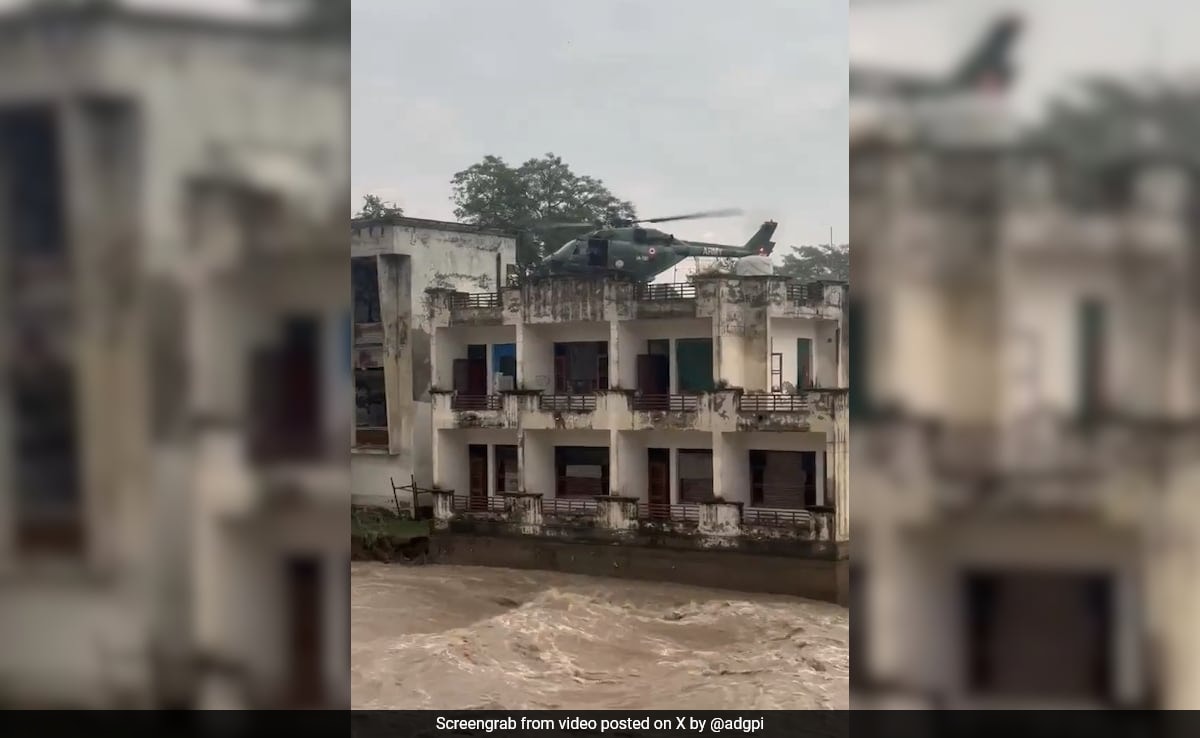
The article details a successful rescue operation conducted by the Indian Army Aviation near Madhopur Headworks in Punjab's Pathankot district. Twenty-two CRPF personnel and three civilians were stranded due to rising floodwaters caused by heavy rainfall in Himachal Pradesh and Jammu and Kashmir. The rescue operation, launched at 6 AM on Wednesday, faced challenging weather conditions but successfully evacuated all individuals to safety. A crucial detail highlighting the urgency and precision of the operation is the fact that the building where the stranded personnel had been sheltering collapsed shortly after their evacuation. This underscores the importance of the Indian Army's swift response and the effective coordination between the Army and local authorities in averting a potential tragedy. The article emphasizes the Indian Army's commitment to safeguarding lives and its ability to respond promptly in crisis situations. The flooding in Punjab districts, including Pathankot, Hoshiarpur, Gurdaspur, Kapurthala, Fazilka, Tarn Taran, and Firozpur, was a direct result of swollen rivers like the Satluj, Beas, Ujh, and Ravi, which were impacted by the intense rainfall in the neighboring regions. The Additional Deputy Commissioner Hardeep Singh mentioned the identification of Radha Swami Satsang Beas in Pathankot as an evacuation center and the arrangements being made for food and shelter for the evacuees. The district authorities are also coordinating with Jammu and Kashmir officials regarding water levels, demonstrating a collaborative effort to manage the crisis effectively. The India Meteorological Department (IMD) issued an alert for widespread thunderstorm activity across Jammu and surrounding areas on Wednesday morning. The IMD's report indicated severe convection with heavy rain, thunderstorms, and possible hail occurring over several regions in Jammu and Kashmir, with vertical cloud profiles revealing cloud tops reaching up to 12 km, indicating deep and active thunderstorms. The authorities advised residents to stay indoors during thunderstorms, avoid low-lying and waterlogged areas, and follow official safety advisories. This highlights the broader impact of the weather event and the necessary precautions being taken to ensure public safety beyond the immediate rescue operation. The event serves as a testament to the Indian Army’s readiness and efficiency in disaster response and the critical role of inter-agency coordination during emergencies. Furthermore, it underscores the importance of early warning systems and public awareness campaigns in mitigating the impact of natural disasters.
The flooding situation described in the article paints a picture of the cascading effects of heavy rainfall in the Himalayan region. The geographical vulnerability of Punjab, being downstream to the river systems originating in Himachal Pradesh and Jammu and Kashmir, makes it particularly susceptible to flooding when these regions experience intense precipitation. The impact extends beyond the immediate threat to life and limb, encompassing potential damage to infrastructure, disruption of agricultural activities, and displacement of populations. The rescue operation itself highlights the challenges faced by emergency responders in such situations. The challenging weather conditions, the potential instability of structures threatened by floodwaters, and the need for rapid evacuation all demand specialized skills and equipment. The use of helicopters by the Indian Army Aviation demonstrates the importance of having readily available air assets for reaching stranded individuals in inaccessible areas. The mention of the building collapsing shortly after the evacuation emphasizes the narrow margin for error and the critical importance of accurate assessment of risks and precise execution of rescue plans. It also underscores the need for robust building codes and infrastructure planning that take into account the potential for extreme weather events. The coordination between the Indian Army and local authorities is a crucial element of the success of the rescue operation. Effective communication, clear lines of responsibility, and a shared understanding of the situation are essential for ensuring a coordinated and efficient response. The identification of evacuation centers and the provision of food and shelter for evacuees demonstrate the efforts being made to address the immediate needs of those affected by the floods. The involvement of the India Meteorological Department (IMD) in providing weather forecasts and issuing alerts is another critical aspect of disaster preparedness. Accurate and timely information about potential hazards allows authorities to take proactive measures to mitigate the impact of extreme weather events.
Analyzing this news event from a broader perspective, several key takeaways emerge. Firstly, the increasing frequency and intensity of extreme weather events, potentially linked to climate change, necessitate enhanced disaster preparedness and resilience strategies. This includes investing in early warning systems, strengthening infrastructure, and promoting public awareness campaigns. Secondly, the importance of inter-agency coordination and collaboration cannot be overstated. Effective disaster response requires a seamless integration of resources and expertise from various government agencies, non-governmental organizations, and community groups. Thirdly, the role of the armed forces in disaster relief operations is crucial. The Indian Army's demonstrated ability to respond quickly and effectively in crisis situations highlights its value as a national asset for disaster management. Fourthly, the need for sustainable development practices that minimize environmental degradation and reduce vulnerability to natural disasters is paramount. This includes promoting responsible land use planning, protecting natural ecosystems, and adopting climate-resilient building designs. Fifthly, the importance of community involvement in disaster preparedness and response cannot be overlooked. Empowering local communities to identify risks, develop coping strategies, and participate in emergency response efforts can significantly enhance their resilience to disasters. Finally, the media plays a crucial role in disseminating information, raising awareness, and holding authorities accountable. Accurate and responsible reporting can help to ensure that the public is informed about potential hazards and that appropriate measures are taken to protect lives and property. In conclusion, the Indian Army's rescue operation in Punjab is a commendable example of effective disaster response. However, it also serves as a reminder of the growing challenges posed by extreme weather events and the need for comprehensive strategies to enhance disaster preparedness and resilience at all levels.
Source: Video: Army Chopper Rescues 22 CRPF Personnel Stranded Due To Punjab Floods