
 |
|
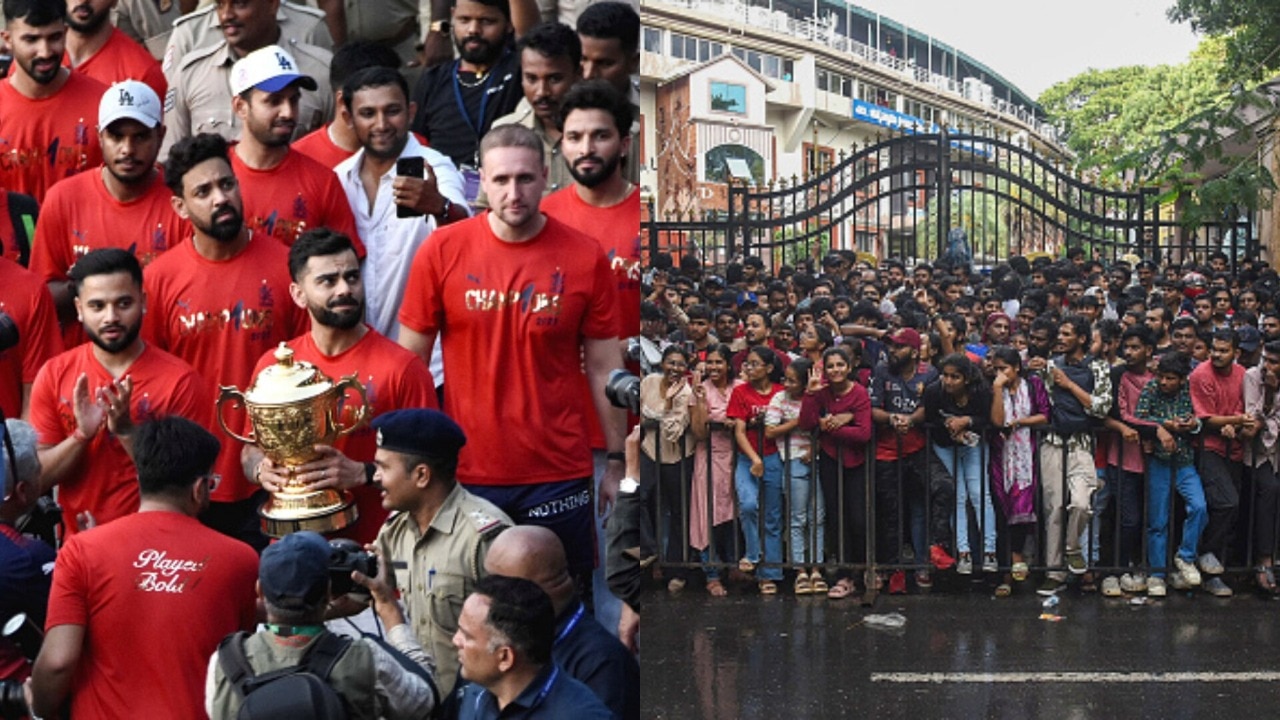
The Karnataka government's decision to file criminal cases against the Royal Challengers Bengaluru (RCB) franchise and the Karnataka State Cricket Association (KSCA) marks a significant development in the aftermath of the tragic stampede that occurred outside the Chinnaswamy Stadium on June 4th. This decision, fueled by the findings of the Justice Michael D'Cunha Commission, underscores the severity of the incident, which claimed the lives of eleven people and left over fifty injured. The commission's report, submitted to Chief Minister Siddaramaiah on July 11th, lays bare a stark picture of negligence and dereliction of duty on the part of various stakeholders, including the KSCA, RCB, event organizers DNA Entertainment, and even elements within the Bengaluru Police force. The core of the issue, as highlighted by the commission, is the collective failure to adequately manage the crowd that had gathered to celebrate the Indian Premier League-winning team. The report explicitly states that all parties involved proceeded with the event despite being aware of the logistical impossibilities of ensuring the safety of the attendees. This conscious disregard for public safety is what ultimately led to the devastating consequences. The gravity of the situation is further amplified by the fact that the stampede occurred amidst a confluence of events. Thousands of eager fans had converged near the stadium, hoping to catch a glimpse of their favorite cricket stars. Simultaneously, the Congress government was hosting a felicitation ceremony at Vidhana Soudha, located less than a kilometer away. This combination of factors created an environment ripe for disaster, with the uncontrolled surge of the crowd quickly spiraling into a deadly stampede. The D'Cunha Commission's investigation, which spanned a month, involved a thorough examination of the planning, coordination, and crowd management aspects of the event. The commission conducted site inspections, held multiple hearings, and meticulously recorded statements from a diverse range of individuals, including eyewitnesses, police officers, KSCA officials, and government representatives. This comprehensive approach allowed the commission to gain a deep understanding of the circumstances that led to the stampede, revealing critical lapses in security arrangements and response protocols. The findings of the commission paint a disturbing picture of inadequate security measures. The report reveals that only a meager 79 police personnel were stationed inside the stadium, while there was a complete absence of police deployment outside the venue. This lack of security presence created a vulnerable environment where crowd control became virtually impossible. Furthermore, the absence of ambulances on site exacerbated the situation, hindering immediate medical assistance to those injured in the stampede. The commission's investigation also uncovered significant delays in the response of key officials. The Joint Commissioner of Police arrived at the scene only at 4 pm, nearly half an hour after the stampede had occurred. Even more alarming, the Police Commissioner was not informed of the incident until 5:30 pm, more than two hours after the tragic event. This delayed response highlights a systemic failure in communication and emergency management, further compounding the severity of the situation. The Karnataka government's initial response to the stampede involved launching a magisterial inquiry and directing the police to investigate the criminal aspects of the case. Multiple first information reports (FIRs) were filed against RCB, the KSCA, and event management firm DNA Entertainment, alleging negligence and culpable homicide. However, recognizing the need for a more thorough and independent investigation, the government later ordered a judicial inquiry and suspended five police officers, including the then Bengaluru Police Commissioner and two other Indian Police Service (IPS) officers, for failing in their duties. This decision was further prompted by the Karnataka High Court, which took up the matter on its own and posed nine key questions to the government, seeking to identify those responsible for the deaths. The High Court's intervention underscores the importance of accountability and the need for a comprehensive investigation to ensure that justice is served for the victims and their families. The decision to file criminal cases against RCB and the KSCA is a significant step towards holding those responsible accountable for their actions. The charges of negligence and culpable homicide carry severe penalties, and if convicted, the individuals involved could face imprisonment and substantial fines. The legal proceedings are likely to be complex and protracted, involving a thorough examination of the evidence and testimony presented by both sides. The outcome of these cases will have far-reaching implications, not only for the individuals and organizations involved but also for the broader landscape of event management and public safety in India. The stampede at the Chinnaswamy Stadium serves as a stark reminder of the importance of proper planning, coordination, and crowd management in ensuring public safety at large-scale events. It also highlights the critical need for accountability and transparency in the aftermath of such tragedies. The Karnataka government's decision to file criminal cases against RCB and the KSCA sends a strong message that negligence and dereliction of duty will not be tolerated and that those responsible for causing harm will be held accountable for their actions. The legal proceedings are expected to be closely followed by the public, and the outcome will undoubtedly have a significant impact on the future of event management and public safety in India. The tragedy underscores the critical need for stricter regulations, improved security measures, and enhanced coordination between event organizers, law enforcement agencies, and government officials. Furthermore, it emphasizes the importance of proactive risk assessment and emergency preparedness to mitigate the potential for future disasters. The families of the victims deserve justice, and the legal proceedings against RCB and the KSCA represent a crucial step towards achieving that goal. The government's commitment to pursuing these cases demonstrates its determination to hold those responsible accountable and to prevent similar tragedies from occurring in the future. The stampede at the Chinnaswamy Stadium serves as a painful lesson, reminding us of the importance of prioritizing public safety and ensuring that all necessary precautions are taken to protect the lives and well-being of citizens. The legal proceedings against RCB and the KSCA are a necessary step towards accountability and justice, and the outcome will undoubtedly have a lasting impact on the landscape of event management and public safety in India. The focus must now be on ensuring a fair and transparent legal process, providing support to the victims and their families, and implementing reforms to prevent similar tragedies from occurring in the future. The Karnataka government's actions demonstrate a commitment to addressing the root causes of the stampede and to holding those responsible accountable for their negligence and dereliction of duty. The legal proceedings are expected to be complex and protracted, but they are a necessary step towards achieving justice for the victims and their families and ensuring that similar tragedies are prevented in the future. The outcome of these cases will have far-reaching implications for the broader landscape of event management and public safety in India, and it is essential that all stakeholders learn from this tragedy and take proactive steps to mitigate the risks associated with large-scale events. The government's decision to file criminal cases against RCB and the KSCA is a bold and decisive move that sends a strong message about the importance of accountability and the need for stricter regulations and improved security measures in the context of event management. The legal proceedings are expected to be closely followed by the public, and the outcome will undoubtedly have a significant impact on the future of event management and public safety in India.
The decision by the Karnataka government also raises broader questions about the role and responsibilities of sports franchises and organizations in ensuring the safety and well-being of their fans. RCB, as a prominent and popular cricket team, has a significant responsibility to ensure that events associated with the team are conducted in a safe and responsible manner. The fact that the stampede occurred in connection with a felicitation event for the IPL-winning team highlights the importance of proactive risk assessment and crowd management, even in seemingly celebratory contexts. The KSCA, as the governing body for cricket in Karnataka, also bears a significant responsibility for ensuring the safety of spectators and participants at cricket matches and related events. The commission's findings of negligence and dereliction of duty on the part of the KSCA underscore the need for stricter oversight and enforcement of safety regulations. The legal proceedings against RCB and the KSCA will serve as a test case for determining the extent to which sports franchises and organizations can be held liable for incidents that occur in connection with their events. The outcome of these cases will have implications for the entire sports industry, potentially leading to stricter regulations and improved safety measures at sporting events across the country. The tragedy at the Chinnaswamy Stadium also underscores the importance of effective coordination between event organizers, law enforcement agencies, and government officials. The commission's investigation revealed significant gaps in communication and emergency management, highlighting the need for improved protocols and training. The delayed response of key officials, as documented in the commission's report, underscores the importance of timely and effective communication during emergencies. The implementation of clear and concise communication channels, as well as regular training exercises, can help to ensure that emergency responders are prepared to act quickly and effectively in the event of a crisis. The Karnataka government's actions in response to the stampede demonstrate a commitment to addressing the systemic issues that contributed to the tragedy. The suspension of police officers and the initiation of a judicial inquiry are signs that the government is taking the matter seriously and is committed to holding those responsible accountable for their actions. However, the filing of criminal cases against RCB and the KSCA is the most significant step taken to date, signaling a determination to pursue justice for the victims and their families. The legal proceedings are expected to be complex and protracted, but they are a necessary step towards ensuring accountability and preventing similar tragedies from occurring in the future. The tragedy at the Chinnaswamy Stadium serves as a stark reminder of the importance of prioritizing public safety and ensuring that all necessary precautions are taken to protect the lives and well-being of citizens. The legal proceedings against RCB and the KSCA are a crucial step towards achieving justice and holding those responsible accountable for their actions.
Furthermore, the aftermath of the stampede and the subsequent investigation have highlighted the broader societal issues that contribute to such tragedies. The eagerness of fans to catch a glimpse of their favorite cricket stars, coupled with the limited opportunities for access and interaction, creates a pressure cooker environment that can easily escalate into chaos. The lack of affordable and accessible entertainment options for the masses also contributes to the allure of events like the felicitation ceremony, drawing large crowds and increasing the risk of overcrowding. Addressing these underlying societal issues requires a multi-faceted approach that includes investing in public infrastructure, promoting affordable entertainment options, and fostering a culture of respect for public safety. The government can play a key role in this process by implementing policies that prioritize public safety and by providing resources for community-based initiatives that promote responsible behavior. The media also has a responsibility to report on events in a balanced and responsible manner, avoiding sensationalism and promoting awareness of safety concerns. The tragedy at the Chinnaswamy Stadium should serve as a catalyst for broader societal change, prompting a re-evaluation of priorities and a renewed commitment to ensuring the safety and well-being of all citizens. The Karnataka government's decision to file criminal cases against RCB and the KSCA is a significant step towards achieving justice and holding those responsible accountable for their actions. However, it is important to recognize that this is just one step in a long and complex process. The legal proceedings are expected to be protracted and challenging, and the outcome will depend on the evidence presented and the arguments made by both sides. Regardless of the outcome, the tragedy at the Chinnaswamy Stadium has had a profound impact on the lives of the victims and their families, and it serves as a stark reminder of the importance of prioritizing public safety and preventing similar tragedies from occurring in the future. The government, the sports industry, and the broader society all have a role to play in ensuring that lessons are learned and that concrete steps are taken to create a safer and more secure environment for all. The legal proceedings against RCB and the KSCA are a necessary step towards accountability and justice, and the outcome will undoubtedly have a lasting impact on the landscape of event management and public safety in India. The focus must now be on ensuring a fair and transparent legal process, providing support to the victims and their families, and implementing reforms to prevent similar tragedies from occurring in the future. The Karnataka government's actions demonstrate a commitment to addressing the root causes of the stampede and to holding those responsible accountable for their negligence and dereliction of duty.
The ongoing investigation and legal proceedings also present an opportunity to re-evaluate the current regulatory framework governing event management in India. The existing laws and regulations may not be adequate to address the complexities of modern events, particularly those that attract large crowds. There is a need for stricter regulations regarding crowd management, security measures, and emergency preparedness. These regulations should be enforced rigorously, and event organizers should be held accountable for any violations. The government should also consider establishing a dedicated agency responsible for overseeing event management and ensuring compliance with safety regulations. This agency could play a key role in providing guidance to event organizers, conducting inspections, and enforcing penalties for violations. The establishment of a strong regulatory framework would help to create a safer and more secure environment for all attendees at events across the country. In addition to strengthening regulations, there is also a need for improved training and education for event organizers and security personnel. Event organizers should be required to undergo comprehensive training in crowd management, emergency response, and risk assessment. Security personnel should be trained in the use of non-lethal crowd control techniques and should be equipped with the necessary equipment to maintain order and prevent violence. The government could partner with educational institutions and private organizations to develop and deliver these training programs. By investing in training and education, the government can help to ensure that event organizers and security personnel are equipped with the skills and knowledge necessary to manage events safely and effectively. Furthermore, there is a need for greater public awareness of event safety. The public should be educated about the risks associated with large crowds and should be encouraged to report any safety concerns to event organizers or law enforcement agencies. Event organizers should be required to provide clear and concise safety information to attendees, including emergency procedures and evacuation routes. By increasing public awareness of event safety, the government can help to empower individuals to take responsibility for their own safety and to contribute to a safer environment for all. The tragedy at the Chinnaswamy Stadium serves as a wake-up call, reminding us of the importance of prioritizing public safety and taking proactive steps to prevent future tragedies. The ongoing investigation and legal proceedings present an opportunity to learn from the mistakes of the past and to create a safer and more secure environment for all. The government, the sports industry, and the broader society all have a role to play in this process. By working together, we can ensure that the memory of the victims of the Chinnaswamy Stadium stampede is honored and that their deaths are not in vain.
Source: Karnataka clears filing criminal cases against RCB, state cricket body over stampede