
 |
|
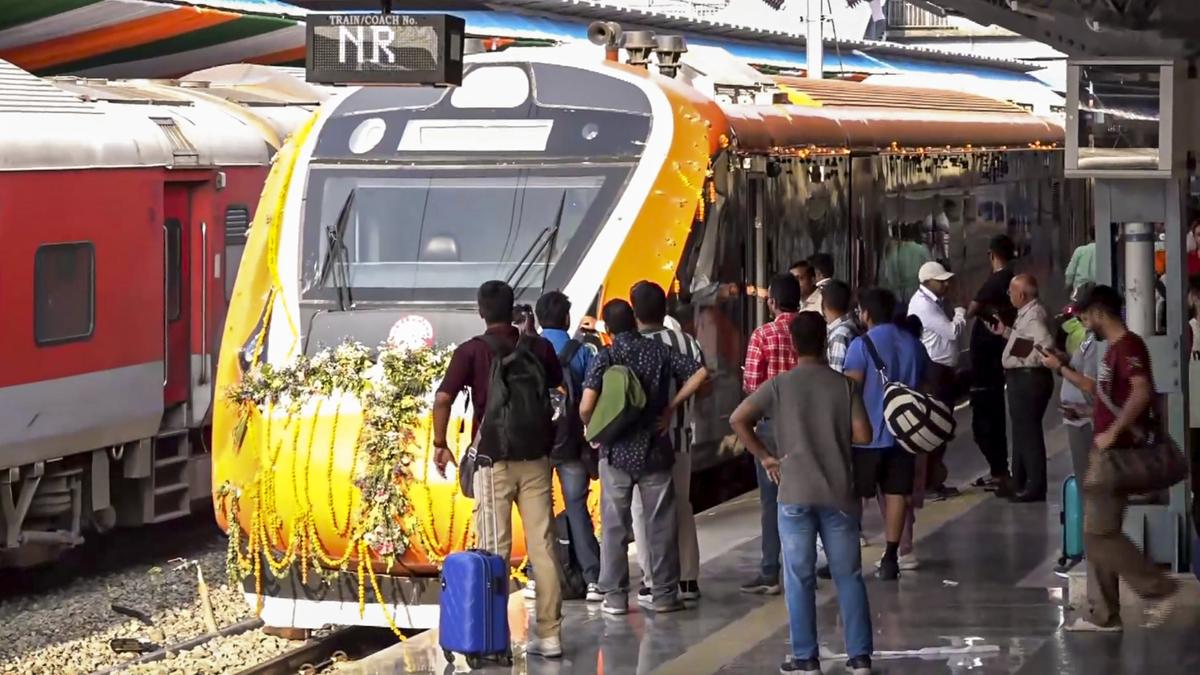
The inauguration of the Vande Bharat Express connecting Srinagar and Katra represents a significant step forward in integrating Kashmir with the rest of India. Passengers' enthusiastic responses underscore the transformative potential of this new rail service. The testimonials highlight not only the convenience and time-saving aspects but also the emotional impact of making Kashmir more accessible to a wider range of travelers. The availability of comfortable and efficient transportation options can shatter preconceived notions and encourage tourism, fostering a deeper understanding and appreciation of the region's beauty and culture. This initiative transcends mere infrastructure development; it is a bridge builder, connecting people, cultures, and economies. The positive feedback from tourists like Ashok Kumar Khajanchi and his wife Manju Khajanchi, who overcame anxieties and logistical hurdles to experience Kashmir firsthand, speaks volumes about the power of accessible transportation to dispel misinformation and promote positive narratives. Their willingness to cancel prior travel arrangements and embrace the Vande Bharat Express demonstrates the perceived value and trust placed in this new service. The emphasis on the train's comfort, particularly for passengers with mobility challenges, further highlights its inclusivity and commitment to serving a diverse range of travelers. The broader implications of this rail connection extend beyond tourism. As noted by another traveler, the Vande Bharat Express will benefit officials, local commuters, and individuals from the South who may have previously found travel to Kashmir cumbersome. The reduction in travel time and the elimination of multiple modes of transport can significantly improve efficiency, productivity, and overall connectivity. The planned extension of the route to Jammu promises to further streamline travel and unlock new opportunities for economic growth and social exchange. The significance of this project is amplified by the simultaneous inauguration of other major railway infrastructure projects, including the world's highest railway arch bridge over the Chenab River and the Anji Khad Bridge, India's first cable-stayed railway bridge. These engineering marvels not only showcase India's technological prowess but also symbolize the nation's commitment to developing even the most remote regions. Prime Minister Modi's emphasis on the development projects as catalysts for Jammu and Kashmir's growth journey underscores the government's strategic vision for the region. By investing in transportation infrastructure, the government aims to create a more conducive environment for economic activity, attract investment, and improve the quality of life for local residents. The Vande Bharat Express, therefore, represents more than just a train; it is a symbol of progress, connectivity, and the realization of Kashmir's potential. The impact of the Vande Bharat Express on tourism in Kashmir is expected to be substantial. The promise of a fast, reliable, and scenic journey through the valley is likely to attract a new wave of visitors who may have previously been deterred by the logistical challenges of reaching the region. Increased tourism can generate revenue for local businesses, create employment opportunities, and promote the preservation of Kashmir's cultural heritage. However, it is important to ensure that tourism is managed sustainably, minimizing its environmental impact and maximizing its benefits for local communities. This requires careful planning, responsible tourism practices, and community involvement in decision-making processes. The success of the Vande Bharat Express also depends on ongoing maintenance, security, and continuous improvement of the passenger experience. Regular inspections, timely repairs, and proactive security measures are essential to ensuring the safety and reliability of the service. Feedback from passengers should be actively solicited and used to identify areas for improvement, such as enhancing onboard amenities, optimizing schedules, and addressing any concerns related to accessibility or comfort. Furthermore, the government should explore opportunities to extend the Vande Bharat network to other regions of the country, connecting remote areas and promoting economic growth and social inclusion. The Vande Bharat Express has become more than just a means of transport; it is a symbol of national pride, technological advancement, and the power of infrastructure to transform lives and connect communities. It represents a new era of rail travel in India, one that is characterized by speed, comfort, efficiency, and a commitment to serving the needs of all passengers. The initiative in Kashmir is a shining example of how strategic investments in transportation infrastructure can contribute to economic development, social integration, and the overall prosperity of a region. As Kashmir continues to integrate more fully with the rest of India, transportation links will be extremely important. The accessibility of the valley will boost the economy and give the region a fighting chance. The infrastructure has allowed people to travel more freely and comfortably between the valley and the rest of India, which benefits everybody. The train lines also provide a sense of security. Infrastructure projects like the Vande Bharat are necessary for the region to continue to grow. The future will be bright for the people in the valley.
The success of the Srinagar-Katra Vande Bharat Express hinges not only on its operational efficiency and passenger satisfaction but also on its integration into the broader transportation ecosystem of Jammu and Kashmir. Seamless connectivity with other modes of transport, such as buses, taxis, and airlines, is crucial for ensuring that passengers can easily reach their final destinations. This requires coordinated planning and collaboration between different transportation providers to create integrated ticketing systems, synchronized schedules, and convenient transfer points. Furthermore, it is important to address any potential bottlenecks in the transportation network, such as congested roads or limited parking facilities, to ensure that the overall travel experience is smooth and efficient. In addition to improving connectivity, the government should also focus on enhancing the accessibility of the Vande Bharat Express for passengers with disabilities. This includes providing ramps, elevators, and accessible restrooms at railway stations, as well as ensuring that train carriages are equipped with features that accommodate passengers with mobility impairments, visual impairments, or hearing impairments. Training railway staff to assist passengers with disabilities is also essential for creating a more inclusive and welcoming travel environment. The security of the Vande Bharat Express and its passengers is of paramount importance. Robust security measures, such as baggage screening, surveillance cameras, and armed guards, are necessary to deter potential threats and ensure the safety of travelers. It is also important to maintain close coordination with law enforcement agencies to monitor potential security risks and respond effectively to any incidents. The success of the Vande Bharat Express will ultimately depend on its ability to provide a safe, reliable, and comfortable travel experience for all passengers. This requires a commitment to continuous improvement, proactive problem-solving, and a strong focus on customer satisfaction. By listening to feedback from passengers, addressing their concerns, and implementing innovative solutions, the government can ensure that the Vande Bharat Express remains a valuable asset for the people of Jammu and Kashmir. The infrastructure projects that Prime Minister Modi inaugurated along with the new Vande Bharat train are major achievements. These projects, the Chenab Bridge and the Anji Khad Bridge, were marvels of engineering that overcame great obstacles. The Chenab Bridge is the highest railway bridge in the world, a testament to the nation's ambitions to improve its infrastructure. The engineering and construction that went into these projects have not only overcome physical challenges but have provided jobs and opportunities for the people in the valley. These initiatives symbolize the ambition of the region, and the belief that more infrastructure can promote the region.
The long-term impact of the Vande Bharat Express on the economy and society of Jammu and Kashmir will depend on a number of factors, including the sustainability of tourism, the diversification of the local economy, and the promotion of social inclusion. Sustainable tourism practices are essential for preserving the natural beauty and cultural heritage of Kashmir, while minimizing the environmental impact of tourism activities. This requires careful planning, responsible tourism practices, and community involvement in decision-making processes. Diversifying the local economy is crucial for reducing reliance on tourism and creating more resilient and sustainable livelihoods for local residents. This can be achieved by promoting entrepreneurship, investing in education and training, and attracting investment in other sectors, such as manufacturing, technology, and agriculture. Promoting social inclusion is essential for ensuring that all members of society benefit from the economic opportunities created by the Vande Bharat Express. This requires addressing inequalities in access to education, healthcare, and employment, and empowering marginalized communities to participate fully in economic and social life. The Vande Bharat Express is just one piece of the puzzle in building a more prosperous and equitable future for Jammu and Kashmir. By working together, the government, the private sector, and local communities can create a vibrant and sustainable economy that benefits all residents. The Vande Bharat initiative is an example of how technology and transportation can connect regions and boost the economy. This project can be a foundation for the future success of Kashmir. By building relationships with other regions in India, and having the means to travel to and from the valley, people can expand the economy and grow the region. This is one example of how improvements in a region, with the help of the government, can have positive results for a community.
Source: Passengers call Srinagar-Katra Vande Bharat a ‘great move’ to connect Kashmir with rest of India