
 |
|
The article highlights the complex and nuanced relationship the United States maintains with both India and Pakistan, particularly in the context of counter-terrorism efforts. The US State Department has reaffirmed its commitment to supporting India in its fight against terrorism, emphasizing the strategic partnership between the two countries. This reaffirmation comes at a time when India is actively engaged in its 'global outreach campaign,' following Operation Sindoor, which was launched in response to the Pahalgam terror attack. The attack, which resulted in a significant loss of life, underscored the ongoing threat of terrorism that India faces and the need for international cooperation in combating it. The US's support for India is not merely symbolic; it represents a commitment to working together to address shared security concerns and promote regional stability. This includes intelligence sharing, joint military exercises, and collaboration on counter-terrorism strategies. The visit of the Indian parliamentary delegation to Washington, led by Congress MP Shashi Tharoor, is a testament to the strong ties between the two nations and the importance of maintaining open lines of communication. This dialogue allows for a deeper understanding of each other's perspectives and priorities, fostering a more effective and collaborative approach to addressing common challenges.
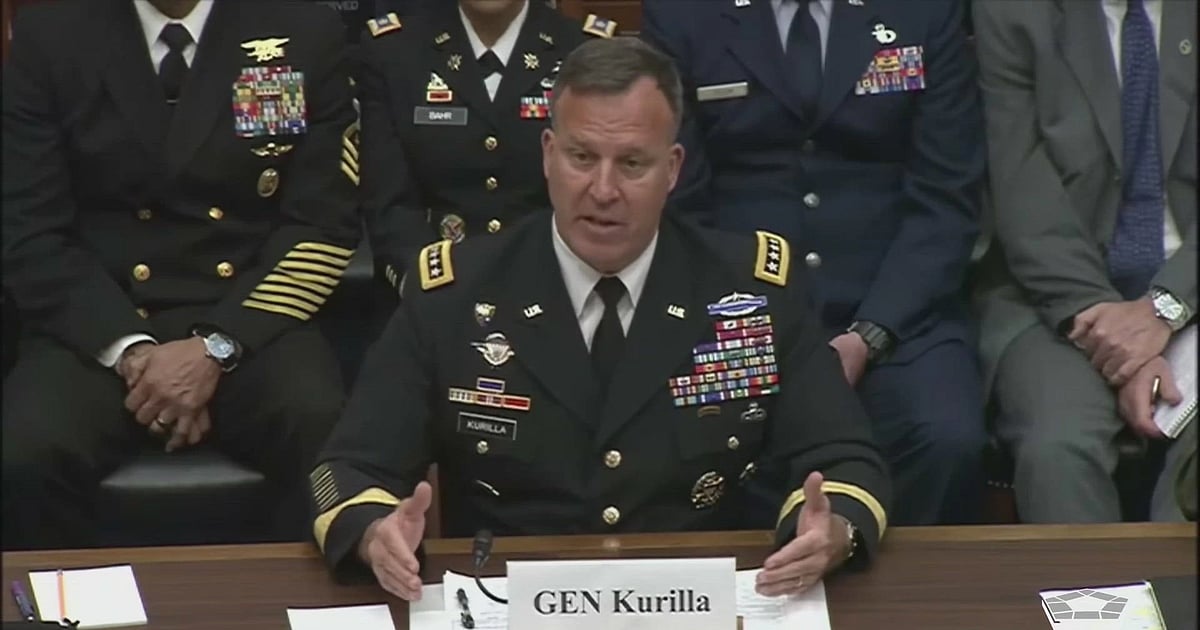
However, the US's relationship with Pakistan is also crucial, particularly in the fight against the Islamic State – Khorasan Province (IS-KP). General Michael Kurilla, chief of US Central Command, has emphasized Pakistan's role as a 'phenomenal partner' in counter-terrorism efforts, highlighting the Pakistani military and Army Chief Asim Munir's contributions to combating IS-KP. Pakistan's actions in apprehending and extraditing Mohammad Sharifullah, the IS-K planner behind the devastating suicide attack at Abbey Gate in Kabul, which resulted in the deaths of 13 US service members and numerous civilians, underscores the country's value in countering global terror threats. This incident served as a stark reminder of the threat posed by IS-KP and the importance of international cooperation in addressing it. Pakistan's willingness to assist in bringing Sharifullah to justice demonstrates a commitment to combating terrorism and working with the US to achieve shared security goals. General Kurilla's testimony highlights the need for the US to maintain a relationship with Pakistan, recognizing its strategic importance in the region and its contributions to counter-terrorism efforts. Ignoring Pakistan's role could have significant consequences for regional security and the fight against terrorism.
General Kurilla's statement that the US should not view its relationships with India and Pakistan as a 'binary choice' is crucial. He argues that the US should evaluate these relationships based on their individual merits, recognizing the distinct roles that each country plays in promoting regional stability and combating terrorism. Choosing one at the expense of the other would be detrimental to US interests and could undermine its ability to effectively address security challenges in the region. India and Pakistan have a long and complex history, marked by periods of conflict and cooperation. The US must navigate this complex landscape with sensitivity and diplomacy, maintaining open lines of communication with both countries and working to promote dialogue and understanding. A balanced approach that recognizes the importance of both relationships is essential for achieving US foreign policy objectives in the region. This requires a nuanced understanding of the political dynamics in South Asia and a willingness to engage with both India and Pakistan in a constructive and mutually beneficial manner. The US must avoid taking sides in the ongoing disputes between the two countries and instead focus on promoting peace, stability, and cooperation.
The US's approach to India and Pakistan reflects a broader strategic challenge of balancing competing interests and maintaining alliances in a complex and volatile world. It highlights the need for a pragmatic and flexible foreign policy that is tailored to specific circumstances and guided by clear strategic objectives. In the case of India and Pakistan, the US's goal is to promote regional stability, counter terrorism, and foster economic development. Achieving these goals requires a multifaceted approach that includes diplomatic engagement, security cooperation, and economic assistance. The US must also be mindful of the potential for its actions to exacerbate existing tensions or create new ones. A careful and considered approach is essential for navigating the complex geopolitical landscape of South Asia and promoting US interests in the region. The US's relationships with India and Pakistan are not static; they are constantly evolving in response to changing circumstances. The US must be prepared to adapt its approach as needed to ensure that its policies remain relevant and effective. This requires a willingness to engage in ongoing dialogue with both countries and to reassess its strategic priorities in light of new developments.
Furthermore, the context of India's 'global outreach campaign' following Operation Sindoor is important to consider. This campaign suggests that India is actively seeking to build international support for its counter-terrorism efforts and to strengthen its relationships with key partners. The Pahalgam terror attack likely served as a catalyst for this campaign, highlighting the need for greater international cooperation in combating terrorism. India's outreach efforts may include diplomatic initiatives, intelligence sharing agreements, and joint military exercises. The US's reaffirmation of its support for India in its fight against terrorism is a clear signal that it is willing to work with India to achieve shared security goals. This support can take various forms, including financial assistance, technical expertise, and logistical support. The US may also be willing to share intelligence information with India to help it better identify and disrupt terrorist threats. The US's commitment to working with India is not only beneficial for both countries, but it also sends a message to other nations that the US is committed to combating terrorism and promoting regional stability. The US's support for India is also likely to be viewed positively by other countries in the region, who may see it as a sign of US commitment to the security of South Asia.
Conversely, the emphasis on Pakistan's counter-terrorism role, particularly against IS-KP, underscores the continued importance of Pakistan in US regional strategy. IS-KP poses a significant threat to both regional and international security, and Pakistan's efforts to combat this group are crucial. Pakistan's military has been actively involved in fighting IS-KP in the border regions with Afghanistan, and its intelligence agencies have been instrumental in disrupting IS-KP plots. The arrest and extradition of Mohammad Sharifullah is a prime example of Pakistan's commitment to combating terrorism and working with the US to achieve shared security goals. Pakistan's willingness to assist in bringing Sharifullah to justice demonstrates a willingness to take responsibility for its role in combating terrorism. The US's recognition of Pakistan's contributions to counter-terrorism efforts is important for maintaining a positive relationship with the country. Ignoring Pakistan's role would be a mistake, as it could undermine US efforts to combat terrorism in the region. The US must continue to engage with Pakistan and provide it with the resources and support it needs to continue its fight against IS-KP.
In conclusion, the US is attempting to navigate a delicate balance in its relationships with India and Pakistan. Recognizing the importance of both countries in achieving its strategic goals in the region, the US is reaffirming its support for India's anti-terror fight while simultaneously acknowledging Pakistan's vital role in countering terrorism, particularly against IS-KP. This approach, as articulated by General Kurilla, emphasizes evaluating each relationship on its merits and avoiding a binary choice that could undermine US interests and regional stability. The US's foreign policy in South Asia is a complex and multifaceted undertaking that requires careful consideration of the political, economic, and security dynamics of the region. The US must be willing to engage with both India and Pakistan in a constructive and mutually beneficial manner in order to achieve its strategic goals. The US's relationships with India and Pakistan are crucial for maintaining peace, stability, and prosperity in South Asia.
Ultimately, the US strategy aims to leverage the strengths of both India and Pakistan in promoting regional security and combating terrorism. This requires a nuanced understanding of the challenges and opportunities in the region and a willingness to engage in constructive dialogue with both countries. The US's commitment to working with both India and Pakistan is a testament to its belief in the importance of regional cooperation and its commitment to promoting peace and stability in South Asia. The US's foreign policy in the region is not without its challenges, but the US remains committed to working with its partners to overcome these challenges and achieve its strategic goals. The US's relationships with India and Pakistan are crucial for maintaining peace, stability, and prosperity in South Asia, and the US will continue to work with both countries to strengthen these relationships.
Therefore, the US must continue to foster these relationships through diplomatic engagement, economic cooperation, and security assistance. By doing so, the US can help to create a more stable and prosperous South Asia, which is in the best interests of the US and the world. The US's role as a global leader requires it to engage with all countries in a constructive and mutually beneficial manner. The US's relationships with India and Pakistan are crucial for maintaining peace, stability, and prosperity in South Asia, and the US will continue to work with both countries to strengthen these relationships and promote a more stable and prosperous world.