
 |
|
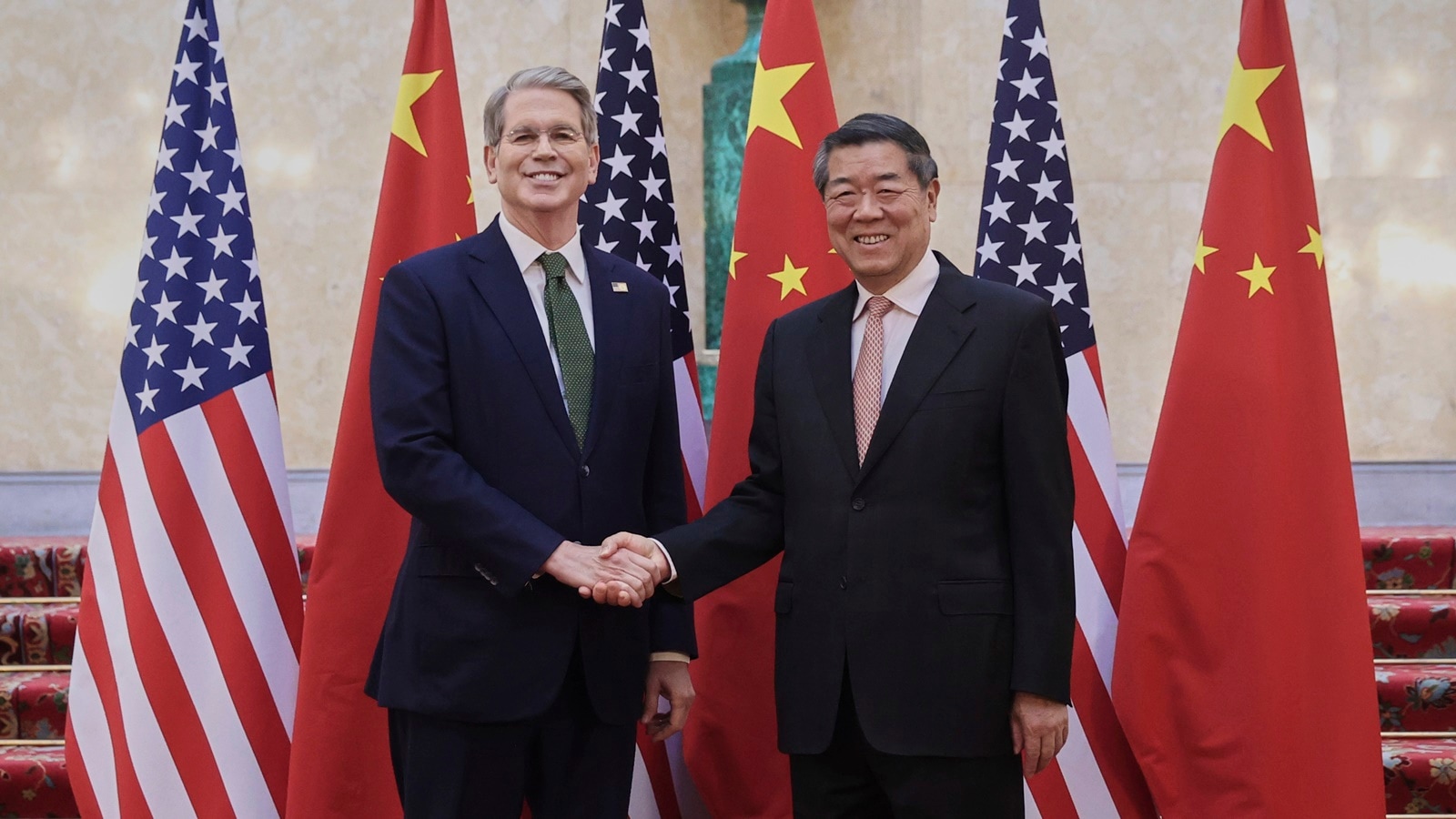
The recent developments in the trade relations between the United States and China suggest a potential shift in the balance of power, with Beijing seemingly gaining the upper hand in ongoing negotiations. While both nations have announced an agreement in principle to de-escalate trade tensions, a closer examination reveals that the dynamics of these bilateral talks have evolved significantly since the initial stages of the trade war. The United States, once the instigator of sweeping tariffs, now appears to be seeking concessions from China, particularly regarding the resumption of supplies of critical inputs like rare earth magnets. This reversal underscores the complex and multifaceted nature of international trade disputes and the potential for unforeseen consequences when economic policies are implemented aggressively. The article highlights two key meetings: one in Geneva and another in London, signaling a continuous effort by both countries to find common ground amidst growing tensions. However, the context and the specific requests made by the US delegation in London indicate a shift in bargaining power. Initially, the US had sought tariff reductions from China, primarily due to the adverse effects of high tariffs on the American economy, including empty shelves in grocery stores and rising prices for everyday goods. Now, the focus has shifted to rare earth magnets, essential components in various industries, including auto manufacturing and electronics assembly. The US is urging China to lift restrictions on these exports, reflecting a growing concern about supply chain disruptions and their impact on key sectors. This shift in focus underscores the strategic importance of rare earth minerals and China's dominance in this sector. The global economy's reliance on these materials provides China with leverage in trade negotiations, allowing it to exert pressure on other nations. The situation is further complicated by accusations of breaches of previous agreements. While both the US and China have accused each other of failing to uphold commitments made during the Geneva talks, the US seems particularly keen on reaching a reconciliation, given the significant impact of Chinese export restrictions on its manufacturing sectors. The pressure is mounting on American companies struggling to secure critical inputs, highlighting the vulnerability of supply chains that depend heavily on a single source. The situation is not limited to the United States. Companies in other regions, such as Japanese automaker Suzuki Motors, are also feeling the effects of China's rare earth restrictions. Suzuki's decision to suspend production of its Swift compact hatchback underscores the ripple effect of these trade disputes on the global economy. In India, carmakers like Maruti Suzuki are closely monitoring the situation and engaging with the government to assess the potential impact on their operations. The evolving dynamics of the US-China trade relations raise important questions about the future of international trade and the role of strategic resources in shaping economic power. The US's dependence on China for rare earth minerals highlights the need for diversification and the development of alternative supply chains. Furthermore, the situation underscores the importance of careful consideration and long-term planning when implementing trade policies, as aggressive measures can have unintended consequences and potentially shift the balance of power in unexpected ways.
The dominance of China in the rare earth mineral market is a critical factor influencing the ongoing trade negotiations. Rare earth elements (REEs) are a set of seventeen metallic elements that are essential to many modern technologies, including electronics, renewable energy, and defense systems. These elements are not necessarily 'rare' in terms of their abundance in the Earth's crust, but they are often found in low concentrations and are difficult and costly to extract and process. China controls a significant portion of the global rare earth supply chain, from mining and processing to manufacturing finished products. This dominance has given China significant leverage in international trade and has allowed it to exert influence over other countries that rely on these materials. The role of rare earth magnets, particularly neodymium-iron-boron (NdFeB) magnets, is particularly significant in the context of electric vehicle (EV) manufacturing. These magnets are crucial for EV motors, providing the strong magnetic fields needed for efficient and powerful performance. They are also used in other EV components, such as power steering systems and braking systems. The demand for rare earth magnets is expected to increase significantly in the coming years as the EV market continues to grow. This increasing demand will further amplify China's leverage in the rare earth market and could potentially lead to further trade disputes and supply chain disruptions. The US's reliance on China for rare earth magnets has made it vulnerable to supply chain disruptions and has prompted the government to seek alternative sources of these materials. Efforts are underway to develop domestic rare earth mining and processing capabilities, but these efforts are still in their early stages and are unlikely to significantly reduce the US's dependence on China in the near term. In addition to developing domestic sources, the US is also exploring partnerships with other countries to diversify its rare earth supply chain. These partnerships could involve joint ventures to develop new mines and processing facilities, as well as agreements to purchase rare earth materials from other countries. The challenges in diversifying the rare earth supply chain are significant. The development of new mines and processing facilities requires significant investment and can take many years to complete. Furthermore, environmental regulations and community opposition can also delay or even prevent the development of new projects. Despite these challenges, the US and other countries are committed to diversifying their rare earth supply chains in order to reduce their dependence on China and to ensure a stable and secure supply of these critical materials. The outcome of the US-China trade negotiations will have a significant impact on the global rare earth market and on the future of international trade. A resolution to the trade dispute that addresses the issue of rare earth exports would be beneficial to both countries and to the global economy. However, if the trade dispute continues, it could lead to further disruptions in the rare earth supply chain and could have significant consequences for industries that rely on these materials.
The article also touches upon the broader strategic implications of China's 'weaponization' of its dominance in key sectors. This strategy involves leveraging its control over critical resources, such as rare earth minerals, to exert economic and political pressure on other countries. By restricting exports or making it difficult for companies to obtain these materials, China can disrupt supply chains and force other nations to make concessions in trade negotiations. This strategy is not limited to rare earth minerals. China also controls significant portions of other critical supply chains, such as semiconductors and pharmaceuticals. This dominance gives China considerable leverage in international trade and allows it to exert influence over other countries. The US and other countries are becoming increasingly aware of the risks associated with relying on a single source for critical materials and are taking steps to diversify their supply chains. This includes developing domestic production capabilities, forging partnerships with other countries, and promoting research and development in alternative materials. The effectiveness of these efforts remains to be seen, but they reflect a growing recognition of the need to reduce dependence on China and to ensure a stable and secure supply of critical materials. The US-China trade war has highlighted the interconnectedness of the global economy and the potential for trade disputes to have far-reaching consequences. The situation underscores the importance of international cooperation and the need for countries to work together to address common challenges. It also highlights the importance of diversification and the need to develop alternative supply chains to reduce dependence on a single source. The future of US-China trade relations remains uncertain, but the recent developments suggest a potential shift in the balance of power, with Beijing seemingly gaining the upper hand. The US will need to carefully consider its strategy and take steps to address its vulnerabilities in key sectors, such as rare earth minerals. The outcome of this trade dispute will have a significant impact on the global economy and on the future of international trade.
In conclusion, the evolving dynamics of the US-China trade relations reveal a complex interplay of economic and strategic interests. The agreement in principle to de-escalate trade tensions is a positive sign, but the underlying issues remain unresolved. China's dominance in key sectors, such as rare earth minerals, continues to give it leverage in trade negotiations, while the US struggles to address its vulnerabilities in these areas. The situation highlights the importance of diversification and the need to develop alternative supply chains to reduce dependence on a single source. The US-China trade war has also exposed the interconnectedness of the global economy and the potential for trade disputes to have far-reaching consequences. Moving forward, it will be crucial for both countries to engage in constructive dialogue and to work together to find solutions that address their mutual concerns. A resolution to the trade dispute that promotes fair trade, reduces barriers to investment, and ensures a stable and secure supply of critical materials would be beneficial to both countries and to the global economy. However, if the trade dispute continues, it could lead to further disruptions in the global economy and could have significant consequences for industries that rely on these materials. The future of US-China trade relations will depend on the willingness of both countries to compromise and to work together to address their common challenges. The stakes are high, and the outcome will have a significant impact on the global economy for years to come. The lessons learned from this trade war should serve as a reminder of the importance of international cooperation, diversification, and the need to carefully consider the potential consequences of trade policies. The global economy is becoming increasingly complex and interconnected, and it is essential that countries work together to create a stable and prosperous future for all.
Source: US and China agree to a trade truce, but Beijing seems to be gaining the upper hand