
 |
|
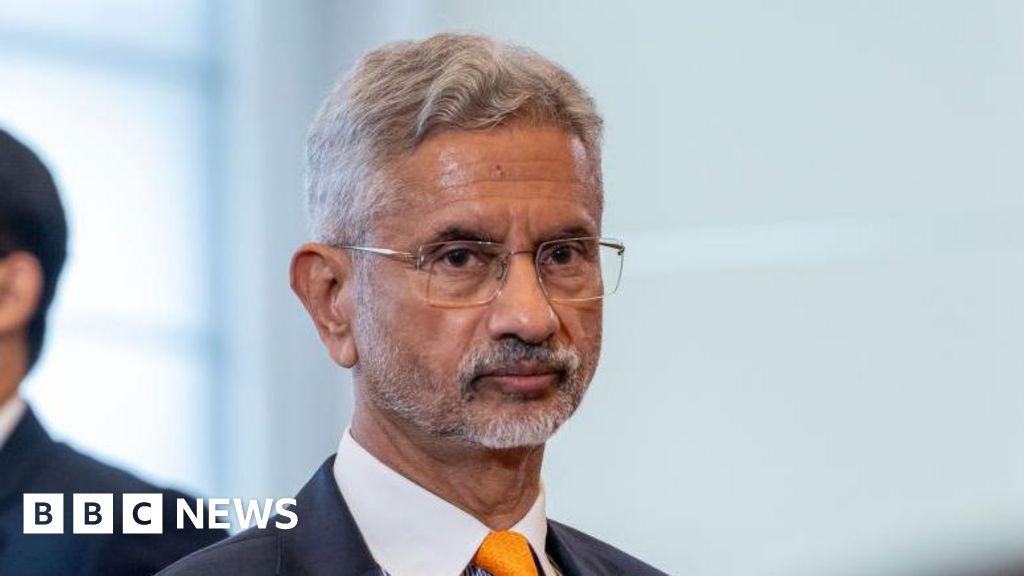
The article highlights the ongoing trade negotiations between India and the United States, with India expressing optimism about reaching an agreement before the expiration of the 90-day pause on reciprocal tariffs, set to end on July 9th. This deadline underscores the urgency and importance of the discussions, as failure to reach an agreement could result in the imposition of tariffs, potentially impacting bilateral trade relations. The statement from India's Foreign Minister, S Jaishankar, emphasizes the commitment of both countries to finding a mutually beneficial solution, building on previous discussions between Prime Minister Narendra Modi and President Donald Trump in February. These earlier discussions, according to Jaishankar, focused on increasing market access for both nations, indicating a willingness to address existing trade imbalances. The involvement of both heads of state suggests the high priority both governments place on resolving the trade issues. The mention of the US delegation's closed-door meetings with Indian trade ministry officials in Delhi signifies the active engagement and continuous dialogue between the two countries. The characterization of the recent trade talks as productive by an unnamed Indian official provides further evidence of progress toward a resolution. This optimism is tempered by the acknowledgment that reaching a 'mutually beneficial and balanced agreement' remains the ultimate goal, implying that there are still areas of disagreement to be addressed. The focus on 'early wins' suggests a strategy of prioritizing easily achievable concessions to build momentum and foster a positive atmosphere for more difficult negotiations. The article also provides context by noting the existing trade relationship between India and the US, highlighting the US as India's largest trading partner with bilateral trade reaching $190 billion. However, it also points out the US trade deficit of $45 billion, which President Trump is keen to reduce. This imbalance serves as a key driver for the US in these negotiations, seeking to level the playing field and increase exports to India. The article further mentions India's prior tariff reductions on certain goods, such as Bourbon whiskey and motorcycles, suggesting some willingness to accommodate US concerns. However, it also notes the potential limitations of India's concessions, particularly in politically sensitive sectors like agriculture. The reluctance to make concessions in these areas highlights the domestic political considerations that can complicate international trade negotiations. The target set by Trump and Modi to more than double bilateral trade to $500 billion underscores the ambitious goals of both countries and the potential for significant economic growth. Achieving this target, however, will likely require addressing a range of issues, including market access, tariffs, and non-tariff barriers to trade. The overall tone of the article is cautiously optimistic, highlighting the progress made in recent negotiations while acknowledging the challenges that remain. The outcome of these negotiations will have significant implications for the economic relationship between India and the United States, shaping trade flows and investment patterns for years to come. Further developments in these negotiations will be closely watched by businesses and policymakers alike. The complexities of global trade, and the balancing act of domestic needs with international agreements is highlighted in this context. The mention of 'Liberation day' tariffs on global partners, including up to 27% on India, introduces a potentially contentious element, suggesting that the US could revert to imposing tariffs if a deal is not reached. This threat could serve as a motivating factor for both sides to compromise and find common ground. The use of the term 'Liberation day' tariffs is a rather loaded term that reflects the Trump administration’s approach to international trade. The negotiations also occur in the context of broader geopolitical considerations, including the US's relationship with China and its desire to strengthen alliances with countries like India to counter China's growing influence. These geopolitical factors can influence the dynamics of the trade negotiations and the willingness of each country to compromise. The article doesn't explicitly mention these geopolitical considerations, but they likely play a role in shaping the broader context of the discussions. The focus on achieving a 'mutually beneficial and balanced agreement' reflects the desire of both countries to avoid a trade war and to foster a stable and predictable trading relationship. A trade war could have significant negative consequences for both economies, disrupting supply chains and increasing costs for consumers and businesses. Therefore, both countries have a strong incentive to reach a negotiated settlement. The article's reliance on Reuters and BBC news as sources indicates its journalistic integrity and commitment to providing accurate and reliable information. The use of direct quotes from S Jaishankar adds credibility to the reporting and provides insights into the Indian government's perspective on the negotiations. The inclusion of a photo of Modi and Trump at the White House in February further enhances the visual appeal of the article and reminds readers of the high-level political support for the trade talks. The picture symbolizes the importance of the relationship and the intentions of both governments. The lack of specific details about the contentious issues being negotiated makes it difficult to fully assess the prospects for a successful outcome. However, the overall tone of cautious optimism suggests that both countries are committed to finding a resolution. The reference to unnamed Indian officials indicates the sensitivity surrounding the negotiations and the desire to avoid publicly disclosing negotiating positions. This is a common practice in international trade negotiations, as it allows negotiators to maintain flexibility and avoid being locked into specific positions. The article is timely and relevant, as the deadline for the tariff suspension is fast approaching. This means that the negotiations are likely to intensify in the coming weeks, and the outcome will have a significant impact on the future of trade relations between India and the United States. The importance of the economic tie for both countries continues to underpin the desire to reach an agreement. This context is important in understanding the motivations. The article also highlights the complexities of international trade negotiations, involving a range of issues, stakeholders, and political considerations. It demonstrates the challenges of balancing domestic interests with international obligations and the importance of finding mutually acceptable solutions. Ultimately, the success of these negotiations will depend on the willingness of both countries to compromise and to find common ground. The article provides a valuable snapshot of the current state of the trade negotiations between India and the United States, offering insights into the key issues, the perspectives of both governments, and the potential implications for the future of their economic relationship.
The negotiation process is further complicated by the different economic and political systems of the two countries. The US, with its free-market economy and emphasis on deregulation, often seeks greater access to foreign markets for its goods and services. India, on the other hand, has a more regulated economy and a tradition of protecting its domestic industries. These differing approaches can create friction in trade negotiations, as each country seeks to protect its own interests. The political landscape in both countries also plays a significant role. In the US, President Trump's protectionist trade policies have created uncertainty and tension in global trade relations. In India, the Modi government faces pressure to protect domestic jobs and industries, particularly in politically sensitive sectors like agriculture. These political pressures can make it difficult for negotiators to compromise and reach agreement. Furthermore, the negotiating tactics employed by each country can also influence the outcome. The US, under President Trump, has often used aggressive negotiating tactics, including the threat of tariffs, to pressure other countries to make concessions. India, on the other hand, has traditionally adopted a more cautious and patient approach to negotiations. These contrasting styles can lead to misunderstandings and impasses. The role of third parties, such as international organizations like the World Trade Organization (WTO), can also be important. The WTO provides a framework for resolving trade disputes and promoting free trade. However, the WTO's effectiveness has been challenged in recent years, as some countries have circumvented its rules and used unilateral measures to protect their own interests. The article doesn't specifically mention the WTO, but it's important to recognize the role that international organizations play in shaping global trade relations. The article also highlights the importance of trust and communication in trade negotiations. Building trust between negotiators is essential for fostering a positive atmosphere and facilitating compromise. Effective communication is also crucial for ensuring that each country understands the other's concerns and perspectives. Misunderstandings and misinterpretations can easily derail negotiations, particularly when the countries have different cultural and linguistic backgrounds. The article further underscores the need for flexibility and adaptability in trade negotiations. The global economic landscape is constantly evolving, and trade agreements must be able to adapt to changing circumstances. Flexibility is also important for accommodating unforeseen events, such as economic crises or political upheavals. The article doesn't explicitly mention the need for flexibility, but it's implicit in the overall context of the negotiations. The article emphasizes the importance of a long-term perspective in trade relations. Trade agreements are not just about immediate economic gains; they are also about building long-term partnerships and fostering mutual understanding. A long-term perspective is essential for overcoming short-term challenges and ensuring that trade relations remain stable and sustainable over time. The article doesn't explicitly mention the need for a long-term perspective, but it's implicit in the overall context of the negotiations. The article also implicitly acknowledges the complexity of the economic relationship between India and the United States. The two countries have deep economic ties, but they also have different priorities and perspectives. Reconciling these differences requires a nuanced and sophisticated approach to trade negotiations. The article provides a valuable insight into this complexity. The global context of these negotiations must be kept in mind. The relationship between China and the US impacts the negotiation with India. Global supply chains and overall economic stability is also a factor. This also creates the context of the negotiation. The relationship extends past a specific trade agreement.
In conclusion, the article presents a nuanced picture of the trade negotiations between India and the United States, highlighting both the progress made and the challenges that remain. It emphasizes the importance of reaching a mutually beneficial agreement that addresses the concerns of both countries. The article also underscores the complexities of international trade negotiations, involving a range of issues, stakeholders, and political considerations. The outcome of these negotiations will have significant implications for the economic relationship between India and the United States, shaping trade flows and investment patterns for years to come. The article serves as a reminder of the importance of international cooperation in addressing global economic challenges. The success of these negotiations will depend on the willingness of both countries to compromise and to find common ground. The article provides a valuable contribution to our understanding of the complex dynamics of international trade and the challenges of building strong and sustainable economic relationships between nations. This situation also highlights the complexities in globalization and the constant flux of economic relationships between countries. The desire to reduce a trade deficit has to be balanced with the needs of the internal economy and political pressures from various groups. The trade negotiations between US and India also serve as a specific example to understand the broader economic picture with regard to countries and organizations involved with global trade. This news gives a clear view of negotiations at a crucial time. The article also reflects on the larger picture of trade. The role of leadership in this can not be understated. With both leaders agreeing in February to enhance trade, that is a signal of the overall economic and political relationship. Without that buy in, the actual negotiators could not accomplish what they do. The agreement is also set against the backdrop of other geopolitical considerations that also factor in to the relationships between countries. The long-term economic prosperity and cooperation between countries are dependent on how issues such as this are solved. Trade is a two-way street, and each party has to be content with the result. This negotiation is a prime example of trying to achieve that and that result will determine future actions. The article gives perspective on this complex situation. What is happening in the negotiation process between India and the US gives insight on a wide variety of things including trade, leadership, international politics, and economic relations. The final outcome will be important for both countries. The ability of the countries to overcome political challenges and differing economic systems will be an important test of their ability to work together towards common goals. This is what makes these negotiations so important and the outcome will be looked at as how these types of situations will play out going forward in time. These situations continue to happen between different countries, and the results from this negotiation can provide insights. The article, while being a straightforward news report, brings up larger questions about global trade and relations between countries. The complexities of balancing the needs of each country with international cooperation underscores the challenges that need to be overcome to promote economic growth and stability in today's globalized world.
Source: Trump: India 'hopeful' of reaching deal with US before tariff deadline