
 |
|
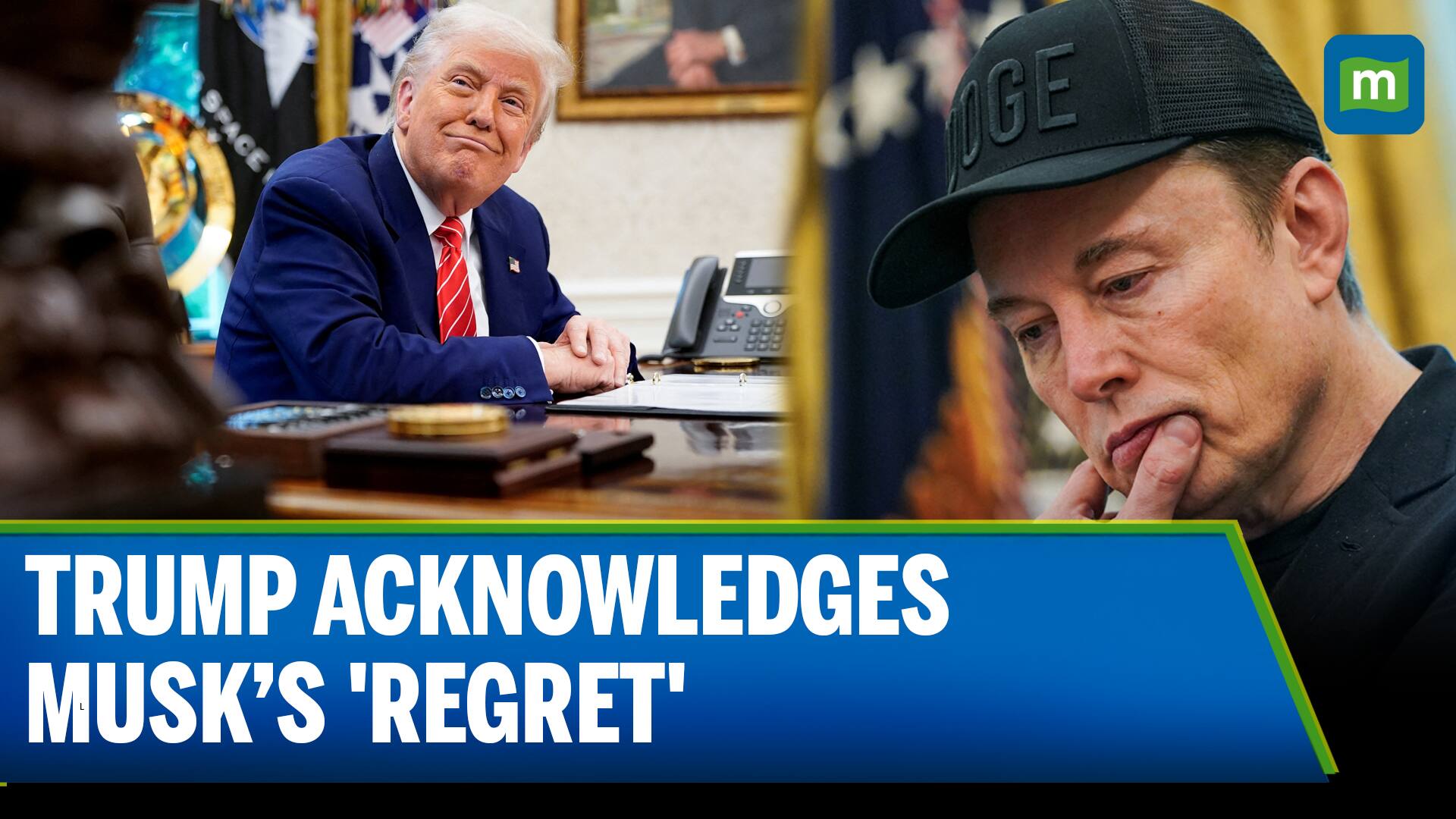
The evolving relationship between Donald Trump and Elon Musk, two figures who have dominated headlines in their respective spheres of politics and technology, has taken another intriguing turn. Musk's recent expression of regret for social media posts that targeted Trump has elicited a measured response from the former president, signaling a potential, albeit tentative, shift in their dynamic. This development warrants careful consideration, not only for the personalities involved but also for the broader implications it holds for the intersection of politics, technology, and public discourse. The initial animosity between Trump and Musk was not entirely surprising, given their contrasting styles and, at times, conflicting ideologies. Trump, known for his unfiltered and often provocative use of social media, frequently found himself at odds with Silicon Valley giants, including Musk's companies. Musk, while generally aligned with a more libertarian approach, has also demonstrated a willingness to criticize political figures and policies that he deems detrimental to technological innovation or broader societal progress. The catalyst for Musk's regret likely stems from a confluence of factors. Firstly, Musk's acquisition of Twitter (now X) has placed him at the center of a heated debate surrounding free speech, content moderation, and platform responsibility. Navigating this complex landscape requires a delicate balancing act, and antagonizing influential figures like Trump could potentially undermine Musk's efforts to shape the platform's future. Secondly, Musk's various companies, including SpaceX and Tesla, rely heavily on government contracts and regulatory approvals. Maintaining a positive relationship with political leaders, regardless of their ideological bent, is crucial for securing these contracts and ensuring favorable regulatory outcomes. Publicly feuding with a former president, particularly one who retains significant influence within a major political party, could jeopardize these business interests. Trump's cautious but appreciative response to Musk's apology reflects a similar calculation. While Trump may harbor lingering resentment over Musk's past criticisms, he also recognizes the potential benefits of fostering a more amicable relationship. Musk's influence extends beyond the realm of technology; he is a prominent voice on issues ranging from space exploration to artificial intelligence, and his support could be valuable in shaping public opinion and influencing policy decisions. However, Trump's reluctance to fully embrace reconciliation underscores the complexities of their relationship. The lingering questions surrounding Musk's government contracts serve as a constant reminder of the potential for conflict, and Trump is likely wary of appearing too eager to forgive Musk's past transgressions. The future of their relationship remains uncertain, but this recent exchange suggests a willingness on both sides to explore the possibility of a more cooperative dynamic. The consequences of this evolving relationship extend far beyond the personal interactions of Trump and Musk. Their alignment or disalignment could have significant implications for the future of technology policy, the role of social media in political discourse, and the relationship between government and the private sector. As the world becomes increasingly reliant on technology, it is imperative that leaders from both the political and technological spheres engage in constructive dialogue and collaborate on solutions to the challenges facing society. The potential reconciliation between Trump and Musk, however tentative, represents a step in that direction. It is a reminder that even amidst ideological differences and personal grievances, the pursuit of common goals and the advancement of shared interests can sometimes bridge divides and pave the way for a more collaborative future. This situation highlights the increasing entanglement of politics and technology in the modern era. Elon Musk's vast empire, spanning electric vehicles, space exploration, and social media, makes him a significant player whose actions and statements carry substantial weight. His public criticisms of Donald Trump, especially during Trump's presidency, drew considerable attention and were interpreted by many as a sign of Silicon Valley's general opposition to the Trump administration. However, the shifting sands of political and economic realities appear to have prompted a recalibration of Musk's approach. His purchase of Twitter, now X, and his subsequent handling of the platform, including decisions regarding content moderation and user bans, have drawn intense scrutiny and sparked widespread debate about the balance between free speech and the prevention of harmful content. Navigating this complex landscape requires careful consideration of various stakeholders, including political figures, advertisers, and users with diverse perspectives. A strained relationship with a prominent political figure like Donald Trump could further complicate Musk's efforts to establish X as a platform that is both open and responsible. Furthermore, the financial considerations associated with Musk's numerous ventures cannot be ignored. Companies like SpaceX and Tesla rely heavily on government contracts and regulatory approvals. Maintaining a positive relationship with political leaders is crucial for securing these contracts and ensuring favorable regulatory outcomes. Alienating a figure like Donald Trump, who retains significant influence within the Republican party, could potentially jeopardize these business interests. From Trump's perspective, accepting Musk's apology could be seen as a strategic move to consolidate support within the business community. While Trump has often portrayed himself as an outsider challenging the established order, he also recognizes the importance of cultivating relationships with influential figures who can contribute to his political agenda. Musk's endorsement, or even his tacit support, could lend credibility to Trump's policy proposals and enhance his appeal to certain segments of the electorate. However, Trump's cautious response also reflects a degree of skepticism. He may be wary of fully embracing Musk, given the latter's past criticisms and his tendency to express unconventional views. Trump may also be concerned about the potential backlash from his supporters, some of whom may view Musk as an enemy of their political movement. The fact that questions remain over the future of Musk's government contracts underscores the inherent tension in this situation. The government's relationship with private companies is often fraught with political considerations, and the allocation of contracts can be influenced by a variety of factors, including political affiliations, lobbying efforts, and public opinion. Musk's past criticisms of Trump could potentially make him a less attractive candidate for government contracts, even if he has since expressed regret for his past statements. Ultimately, the evolving relationship between Trump and Musk is a complex and multifaceted phenomenon that reflects the changing dynamics of politics, technology, and business in the 21st century. It is a reminder that even amidst ideological differences and personal grievances, strategic considerations and mutual interests can sometimes drive individuals to seek common ground. The outcome of this relationship will have significant implications for the future of technology policy, the role of social media in political discourse, and the relationship between government and the private sector. The world watches with bated breath, understanding that the decisions made by these two titans will reverberate far beyond their personal interactions. The implications of this potential reconciliation extend to the broader socio-political landscape. The dynamics between powerful individuals and corporations often shape policy decisions and public discourse. A closer relationship between Trump and Musk could influence the direction of technology regulation, government contracts, and even the narrative surrounding critical issues like climate change and space exploration. The public's perception of both figures will also be affected by their evolving relationship. Trump's supporters may view Musk with greater skepticism, while Musk's followers may question his commitment to certain values if he aligns too closely with Trump. The media will undoubtedly play a crucial role in shaping public opinion, and the narrative surrounding this relationship will likely be subject to intense scrutiny and debate. It is also important to consider the potential impact on other tech leaders and political figures. The actions of Trump and Musk could set a precedent for future interactions between the technology industry and the political establishment. Other tech leaders may feel emboldened to engage more directly in the political process, while political figures may seek to cultivate closer relationships with influential tech executives. The ethical considerations surrounding this potential reconciliation are also worth noting. Some may argue that it is unethical for individuals to prioritize personal or business interests over principles and values. Others may contend that pragmatism and compromise are necessary for effective leadership. The debate over these ethical considerations will likely continue as the relationship between Trump and Musk unfolds. In conclusion, the evolving relationship between Donald Trump and Elon Musk is a complex and consequential development with far-reaching implications. It reflects the increasing entanglement of politics, technology, and business in the modern era, and it raises important questions about the role of power, influence, and ethics in shaping the future of society. As the world continues to grapple with the challenges and opportunities of the 21st century, the decisions made by these two titans will undoubtedly have a lasting impact on the course of history. The ongoing saga is a testament to the ever-shifting sands of power and influence in a world increasingly shaped by technology and polarized by political ideologies. It serves as a reminder that the relationships between influential figures are rarely simple or straightforward, and that the pursuit of common interests can sometimes transcend ideological divides and personal grievances. As the story continues to unfold, it will be crucial to analyze the motivations and actions of both Trump and Musk with a critical and discerning eye, recognizing the potential consequences for the future of technology, politics, and society as a whole. The reconciliation, or lack thereof, between these two prominent figures offers a unique lens through which to examine the complex interplay of power, influence, and public perception in the 21st century.
Further elaborating on the topic, consider the potential strategic advantages both figures might be seeking in this evolving dynamic. For Trump, aligning with Musk could be a calculated move to broaden his appeal beyond his traditional base. Musk, a figure admired by many, especially younger voters and those interested in technological advancements, could lend Trump credibility and attract a demographic that might otherwise be resistant to his policies. This could be particularly valuable as Trump navigates the political landscape and seeks to maintain influence within the Republican party. Moreover, Trump's endorsement, or even his tacit support, could lend credibility to Trump's policy proposals and enhance his appeal to certain segments of the electorate. However, Trump's cautious response also reflects a degree of skepticism. He may be wary of fully embracing Musk, given the latter's past criticisms and his tendency to express unconventional views. Trump may also be concerned about the potential backlash from his supporters, some of whom may view Musk as an enemy of their political movement. From Musk's perspective, mending fences with Trump could be a strategic imperative for safeguarding his business interests. As the head of companies heavily reliant on government contracts, such as SpaceX and Tesla, maintaining a positive relationship with influential politicians is crucial. Trump, despite no longer being in office, remains a powerful force within the Republican party, and antagonizing him could have repercussions for Musk's business ventures. Furthermore, Musk's acquisition of Twitter, now X, has thrust him into the center of a political firestorm. Navigating the complexities of content moderation and platform regulation requires a delicate balancing act, and a strained relationship with a prominent political figure like Trump could further complicate Musk's efforts to establish X as a platform that is both open and responsible. The potential for a more cooperative dynamic between Trump and Musk raises important questions about the ethical considerations involved. Some may argue that it is hypocritical for Musk to express regret for his past criticisms of Trump, especially if his motives are primarily driven by business interests. Others may contend that pragmatism and compromise are necessary for effective leadership, and that Musk is simply acting in the best interests of his companies and his shareholders. Similarly, some may criticize Trump for being too willing to forgive Musk's past transgressions, especially if it is perceived as a betrayal of his supporters. Others may argue that Trump is simply being strategic, and that he recognizes the potential benefits of aligning with a powerful and influential figure like Musk. Ultimately, the ethical implications of this evolving relationship will depend on the motivations and actions of both individuals, and on the broader context in which their interactions take place. The media will undoubtedly play a crucial role in shaping public perception of this relationship, and the narrative surrounding it will likely be subject to intense scrutiny and debate. The long-term consequences of this potential reconciliation are difficult to predict, but they could have a significant impact on the future of technology policy, the role of social media in political discourse, and the relationship between government and the private sector. A closer relationship between Trump and Musk could lead to a more favorable regulatory environment for the technology industry, as well as increased government investment in areas such as space exploration and electric vehicles. However, it could also raise concerns about the potential for undue influence and cronyism, especially if government contracts are awarded based on political considerations rather than merit. The potential for a more cooperative dynamic between Trump and Musk also raises questions about the future of political polarization. In an era of increasing division and animosity, the ability of individuals from different backgrounds and with different ideologies to find common ground could be seen as a positive development. However, it could also be criticized as a sign of political elites colluding to maintain their power and privilege. The ongoing saga between Trump and Musk serves as a reminder that the relationships between powerful figures are often complex and multifaceted, and that they can have a profound impact on the course of history. As the world continues to grapple with the challenges and opportunities of the 21st century, it is crucial to analyze these relationships with a critical and discerning eye, recognizing the potential consequences for the future of society.
Examining the potential ramifications for the broader political landscape, a Trump-Musk alliance, however tenuous, could reshape alliances and redefine power dynamics within both the Republican party and the technology sector. For the Republican party, Trump's embrace of Musk could signal a shift towards a more technologically progressive platform. Musk's influence extends beyond the realm of traditional business; he is a prominent voice on issues such as artificial intelligence, space exploration, and sustainable energy. By aligning with Musk, Trump could appeal to a younger, more tech-savvy demographic, potentially broadening the party's base and attracting voters who might otherwise be turned off by its more conservative stances. On the other hand, Trump's association with Musk could alienate some of his core supporters who view Silicon Valley with suspicion and distrust. Many conservatives are wary of the power and influence of technology companies, and they may see Musk as just another example of a wealthy elite who is out of touch with their values. Trump would need to carefully manage this potential backlash to avoid alienating his base. For the technology sector, a closer relationship with Trump could offer opportunities for increased government investment and a more favorable regulatory environment. Trump has often expressed skepticism towards government regulation, and he may be more willing than other politicians to support policies that are favorable to the technology industry. However, a Trump-Musk alliance could also raise concerns about the potential for undue influence and cronyism. Critics may argue that government contracts and policy decisions should be based on merit and public interest, not on personal relationships. The potential for a more cooperative dynamic between Trump and Musk also raises questions about the future of political discourse. In an era of increasing polarization and animosity, the ability of individuals from different backgrounds and with different ideologies to find common ground could be seen as a positive development. However, it could also be criticized as a sign of political elites colluding to maintain their power and privilege. The ongoing saga between Trump and Musk serves as a reminder that the relationships between powerful figures are often complex and multifaceted, and that they can have a profound impact on the course of history. As the world continues to grapple with the challenges and opportunities of the 21st century, it is crucial to analyze these relationships with a critical and discerning eye, recognizing the potential consequences for the future of society. Furthermore, the role of social media in shaping public opinion cannot be overstated. Musk's ownership of X (formerly Twitter) places him in a unique position to influence the narrative surrounding the relationship between himself and Trump. The algorithms and content moderation policies implemented on the platform could either amplify or downplay the significance of their interactions, potentially swaying public perception and shaping the political landscape. The ethical considerations surrounding Musk's control of X are also worth noting. Some may argue that he has a responsibility to ensure that the platform is used to promote accurate and unbiased information, while others may contend that he should prioritize free speech and allow users to express their opinions without censorship. The decisions Musk makes regarding content moderation and platform regulation will undoubtedly have a significant impact on the broader political discourse. In conclusion, the evolving relationship between Donald Trump and Elon Musk is a complex and consequential development that has the potential to reshape alliances, redefine power dynamics, and influence the future of technology, politics, and society. As the saga continues to unfold, it is crucial to analyze the motivations and actions of both individuals with a critical and discerning eye, recognizing the potential consequences for the world we live in. The decisions made by these two titans will undoubtedly have a lasting impact on the course of history, and it is imperative that we understand the forces that are driving their interactions.
Source: 'Very Nice He Did That': Donald Trump Acknowledges Elon Musk's Regret Over Posts Against Him | N18G