
 |
|
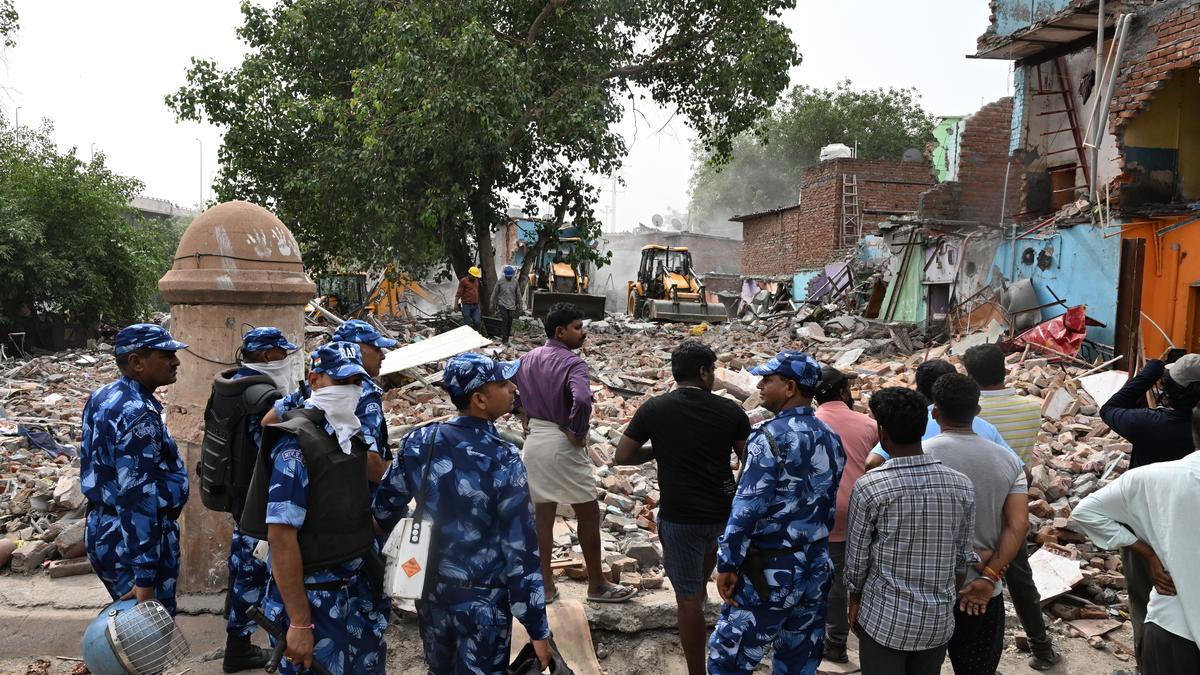
The Tamil Nadu government's recent announcement offering assistance to residents of Madrasi Camp in New Delhi marks a significant intervention in a complex situation involving displacement, legal proceedings, and the rights of marginalized communities. The decision, directed by Chief Minister M.K. Stalin, aims to provide comprehensive support to residents whose unauthorized houses are slated for demolition by the Delhi Development Authority (DDA). This action underscores the Tamil Nadu government's commitment to its diaspora and its willingness to address the challenges faced by its citizens living outside the state. The core of the issue lies in the presence of Madrasi Camp, an informal settlement situated along the bank of the Barapullah Jangpura drain near Nizamuddin Railway Station in South Delhi. The settlement, comprising 370 slum dwelling units, is predominantly inhabited by individuals of Tamil Nadu origin. Its unauthorized status has led to legal challenges, culminating in a Delhi High Court ruling that deems the construction an encroachment obstructing the drain, causing significant waterlogging, particularly during the monsoon season. This ruling has paved the way for demolition activities, beginning June 1, following the exhaustion of all legal avenues to retain the structures. The court has, however, mandated the rehabilitation and relocation of eligible residents under the Delhi Urban Shelter Improvement Board Act and the Delhi Slum & JJ Rehabilitation and Relocation Policy, 2015. A survey conducted to assess eligibility revealed that 215 out of the 370 residents qualify for allotment of residential units under the economically weaker section category at Narela. The Tamil Nadu government's intervention introduces a crucial dimension to the situation. Recognizing the vulnerability and potential displacement of its native population, the government has pledged to assist residents who choose to return to their native districts. This assistance includes comprehensive support facilitated through the Collectors, encompassing livelihood opportunities. The Tamil Nadu House in New Delhi has been tasked with coordinating efforts to ensure timely and effective aid to the residents. This approach acknowledges the diverse needs of the affected population and provides an alternative to relocation within Delhi, catering to those who prefer returning to their roots. The situation raises several important questions about urban planning, the rights of informal settlers, and the role of state governments in addressing the needs of their migrant populations. The demolition of Madrasi Camp highlights the precariousness of informal settlements, often located in environmentally sensitive areas and lacking legal recognition. The residents, many of whom may have lived in the camp for decades, face the prospect of displacement and disruption to their livelihoods. The Delhi High Court's emphasis on rehabilitation and relocation underscores the importance of protecting the rights of vulnerable populations during urban development projects. However, the availability and suitability of alternative housing options remain critical concerns. The allocation of residential units in Narela, located on the outskirts of Delhi, may not adequately address the needs of all residents, particularly those who rely on employment opportunities in the city center. The Tamil Nadu government's offer of assistance provides a crucial safety net for those who prefer to return to their native districts. This approach recognizes that relocation within Delhi may not be the best option for everyone, and that returning home can provide access to familiar social networks, cultural support, and potentially more sustainable livelihood opportunities. The involvement of the Tamil Nadu House in New Delhi underscores the importance of inter-state cooperation in addressing the challenges faced by migrant populations. The coordination between the Tamil Nadu government and local authorities in Delhi is essential to ensure a smooth and equitable transition for the affected residents. This situation also highlights the broader issue of migration and urbanization in India. Millions of people migrate from rural areas to urban centers in search of better economic opportunities. However, many end up living in informal settlements with limited access to basic services and legal protection. Addressing this challenge requires a multi-faceted approach, including investing in rural development, promoting sustainable urban planning, and ensuring the rights of migrant workers. The Tamil Nadu government's initiative serves as a model for other states to proactively address the needs of their migrant populations and to provide support during times of crisis. By offering comprehensive assistance to residents of Madrasi Camp, the government is not only alleviating their immediate hardship but also reaffirming its commitment to social justice and the well-being of its citizens. The long-term impact of this intervention will depend on the effectiveness of the support provided to the residents, both in Delhi and in their native districts. It is crucial to ensure that the relocation process is conducted in a transparent and equitable manner, and that the residents are provided with the resources and support they need to rebuild their lives. The case of Madrasi Camp underscores the importance of balancing urban development with the rights of vulnerable populations and the need for proactive government intervention to address the challenges faced by migrant communities.
The historical context of migration from Tamil Nadu to Delhi and the establishment of settlements like Madrasi Camp is crucial to understanding the current situation. Decades ago, individuals and families migrated from Tamil Nadu to Delhi in search of employment opportunities, often finding work in construction, transportation, and other informal sectors. Over time, these communities established settlements like Madrasi Camp, providing a sense of belonging and mutual support in a new environment. These settlements, however, often lacked legal recognition and access to basic services, making them vulnerable to displacement and demolition. The legal battle surrounding Madrasi Camp reflects the ongoing tension between urban development and the rights of informal settlers. While the Delhi High Court recognized the need for demolition to address environmental concerns and waterlogging issues, it also emphasized the importance of rehabilitation and relocation for eligible residents. This highlights the legal framework that aims to protect the rights of vulnerable populations during urban development projects. However, the implementation of these policies often faces challenges, including delays, inadequate housing options, and lack of coordination between different government agencies. The Tamil Nadu government's intervention is significant because it provides an alternative to the standard relocation process within Delhi. By offering assistance to residents who wish to return to their native districts, the government is recognizing the diverse needs and preferences of the affected population. This approach acknowledges that relocation within Delhi may not be the best option for everyone, particularly those who have strong ties to their home communities. The comprehensive support offered by the Tamil Nadu government, including assistance for livelihood, is crucial for ensuring a sustainable transition for the residents. This support can include providing access to job training programs, microfinance initiatives, and other resources that can help them rebuild their lives in their native districts. The involvement of the Tamil Nadu House in New Delhi is also important because it provides a local point of contact for the residents and facilitates communication between the government and the affected community. The coordination between the Tamil Nadu government and local authorities in Delhi is essential for ensuring a smooth and equitable relocation process. This coordination can include providing transportation assistance, coordinating with local officials in the residents' native districts, and ensuring that the residents have access to the services they need upon their return. The case of Madrasi Camp also raises broader questions about the role of state governments in addressing the needs of their migrant populations. As migration patterns continue to shift across India, state governments have a responsibility to provide support and assistance to their citizens who live and work in other states. This can include providing access to social services, promoting cultural integration, and advocating for their rights. The Tamil Nadu government's initiative serves as a model for other states to proactively address the needs of their migrant populations and to provide support during times of crisis. By offering comprehensive assistance to residents of Madrasi Camp, the government is not only alleviating their immediate hardship but also demonstrating its commitment to social justice and the well-being of its citizens. The long-term impact of this intervention will depend on the effectiveness of the support provided to the residents, both in Delhi and in their native districts. It is crucial to ensure that the relocation process is conducted in a transparent and equitable manner, and that the residents are provided with the resources and support they need to rebuild their lives. The challenges faced by the residents of Madrasi Camp are representative of the broader issues of urban poverty, displacement, and the rights of informal settlers in India. Addressing these challenges requires a multi-faceted approach that includes investing in affordable housing, promoting sustainable urban planning, and ensuring that the rights of vulnerable populations are protected.
Furthermore, the role of non-governmental organizations (NGOs) and civil society groups cannot be overstated in supporting the Madrasi Camp residents and advocating for their rights. These organizations often work on the ground, providing legal aid, counseling, and other forms of assistance to the affected community. They also play a crucial role in raising awareness about the challenges faced by informal settlers and advocating for policy changes that protect their rights. The involvement of NGOs and civil society groups can help to ensure that the relocation process is conducted in a fair and transparent manner, and that the residents are provided with the resources and support they need to rebuild their lives. The media also plays a vital role in shaping public opinion and holding the government accountable for its actions. By reporting on the plight of the Madrasi Camp residents and highlighting the challenges they face, the media can help to raise awareness about the issue and put pressure on the government to take action. Responsible and ethical journalism is essential for ensuring that the voices of marginalized communities are heard and that their rights are protected. The long-term solution to the challenges faced by informal settlers like the residents of Madrasi Camp requires a fundamental shift in urban planning and development policies. This includes prioritizing affordable housing, promoting sustainable urban planning, and ensuring that the rights of vulnerable populations are protected. Investing in affordable housing is crucial for providing safe and secure housing options for low-income families and reducing the demand for informal settlements. Sustainable urban planning involves creating cities that are environmentally friendly, socially inclusive, and economically vibrant. This includes promoting mixed-use development, investing in public transportation, and creating green spaces. Protecting the rights of vulnerable populations requires ensuring that they have access to legal aid, social services, and other forms of support. It also involves advocating for policy changes that protect their rights and prevent displacement. The case of Madrasi Camp is a reminder of the importance of addressing the root causes of urban poverty and inequality. By investing in affordable housing, promoting sustainable urban planning, and protecting the rights of vulnerable populations, we can create cities that are more just, equitable, and sustainable. The Tamil Nadu government's initiative to assist the Madrasi Camp residents is a step in the right direction, but it is only one piece of the puzzle. A comprehensive and sustained effort is needed to address the challenges faced by informal settlers and to create cities that are inclusive of all residents. In conclusion, the Tamil Nadu government's offer of assistance to the Madrasi Camp residents is a significant and commendable act. It highlights the state government's commitment to its diaspora and its willingness to address the challenges faced by its citizens living outside the state. The situation underscores the importance of balancing urban development with the rights of vulnerable populations and the need for proactive government intervention to address the challenges faced by migrant communities. The long-term impact of this intervention will depend on the effectiveness of the support provided to the residents, both in Delhi and in their native districts. It is crucial to ensure that the relocation process is conducted in a transparent and equitable manner, and that the residents are provided with the resources and support they need to rebuild their lives. The case of Madrasi Camp serves as a reminder of the broader issues of urban poverty, displacement, and the rights of informal settlers in India. Addressing these challenges requires a multi-faceted approach that includes investing in affordable housing, promoting sustainable urban planning, and ensuring that the rights of vulnerable populations are protected. The role of NGOs, civil society groups, and the media is also crucial in supporting the affected community and advocating for policy changes that protect their rights. By working together, we can create cities that are more just, equitable, and sustainable for all residents.
Looking ahead, the case of Madrasi Camp offers valuable lessons for policymakers and urban planners in India and beyond. First and foremost, it underscores the need for inclusive urban planning that takes into account the needs and rights of all residents, including those living in informal settlements. This requires a shift away from top-down, exclusionary approaches to urban development towards more participatory and community-based models. Second, it highlights the importance of addressing the root causes of urban poverty and inequality. This involves investing in education, job training, and other programs that can help low-income families improve their economic prospects and escape the cycle of poverty. It also requires addressing systemic inequalities that disproportionately affect marginalized communities. Third, it emphasizes the need for strong legal frameworks and institutions to protect the rights of informal settlers and prevent forced evictions. This includes enacting legislation that recognizes the rights of informal settlers to security of tenure and providing access to legal aid for those facing eviction. Fourth, it demonstrates the importance of inter-state cooperation in addressing the challenges faced by migrant populations. State governments have a responsibility to provide support and assistance to their citizens who live and work in other states, and this requires effective coordination and collaboration. Fifth, it underscores the crucial role of NGOs, civil society groups, and the media in supporting marginalized communities and advocating for their rights. These organizations play a vital role in holding the government accountable and ensuring that the voices of the most vulnerable are heard. Ultimately, the case of Madrasi Camp is a call for a more just, equitable, and sustainable approach to urban development. It is a reminder that cities should be places where everyone has the opportunity to thrive, regardless of their income, social status, or place of origin. By learning from the lessons of Madrasi Camp, we can work towards creating cities that are truly inclusive of all residents. The situation also raises questions about the long-term sustainability of informal settlements in the face of increasing urbanization and environmental challenges. Climate change, in particular, poses a significant threat to informal settlements located in vulnerable areas, such as floodplains and coastal regions. Addressing these challenges requires a holistic approach that integrates climate adaptation and mitigation measures into urban planning and development policies. This includes investing in infrastructure that can withstand extreme weather events, promoting sustainable land use practices, and providing access to clean energy and water resources. Furthermore, it is important to recognize the cultural and social value of informal settlements. These communities often have strong social networks, unique cultural traditions, and valuable knowledge about local environments. When relocating or upgrading informal settlements, it is crucial to preserve these cultural and social assets and to ensure that residents are actively involved in the planning and decision-making process. The Madrasi Camp case also highlights the need for greater transparency and accountability in urban development projects. All stakeholders, including government agencies, developers, and community representatives, should be held accountable for their actions and decisions. This requires establishing clear rules and procedures, promoting public participation, and ensuring that there are effective mechanisms for redressal of grievances. In conclusion, the Madrasi Camp case is a complex and multifaceted issue that raises important questions about urban planning, social justice, and the rights of marginalized communities. The Tamil Nadu government's intervention is a positive step, but it is only one part of a larger solution. A comprehensive and sustained effort is needed to address the challenges faced by informal settlers and to create cities that are truly inclusive of all residents. By learning from the lessons of Madrasi Camp, we can work towards building a more just, equitable, and sustainable future for all.
The use of technology can also play a significant role in addressing the challenges faced by informal settlements and promoting sustainable urban development. For example, Geographic Information Systems (GIS) can be used to map informal settlements, assess their vulnerability to environmental hazards, and identify areas where infrastructure improvements are needed. Mobile technology can be used to provide residents with access to information about government services, job opportunities, and other resources. Social media can be used to facilitate communication between residents, government agencies, and NGOs, and to promote community participation in urban planning and decision-making. Furthermore, technology can be used to improve the efficiency and effectiveness of urban governance. For example, e-governance platforms can be used to streamline administrative processes, reduce corruption, and improve transparency. Smart city technologies can be used to monitor and manage urban infrastructure, optimize resource allocation, and improve the quality of life for residents. However, it is important to ensure that technology is used in a way that is equitable and inclusive. Access to technology should be available to all residents, regardless of their income, social status, or location. Furthermore, the use of technology should be guided by ethical principles and respect for privacy and data security. The Madrasi Camp case also highlights the importance of promoting social entrepreneurship and community-based economic development. By supporting local businesses and creating opportunities for residents to earn a living, we can help to empower informal settlements and reduce their reliance on government assistance. This can involve providing access to microfinance, business training, and other resources that can help residents start and grow their own businesses. It can also involve promoting fair trade practices and connecting local producers with global markets. Furthermore, it is important to create a supportive environment for social entrepreneurs and community-based organizations. This includes providing access to funding, mentoring, and other forms of support. It also involves creating a regulatory framework that is conducive to social entrepreneurship and that promotes innovation and collaboration. The Madrasi Camp case is a reminder that urban development is not just about bricks and mortar; it is also about people and communities. To create truly sustainable and inclusive cities, we must prioritize the needs and rights of all residents, and we must work together to build a future where everyone has the opportunity to thrive. The Tamil Nadu government's initiative is a commendable step in this direction, and it is hoped that it will inspire other states and cities to adopt similar approaches. However, it is important to remember that the challenges are complex and multifaceted, and that there is no single solution. A sustained and collaborative effort is needed to address the root causes of urban poverty and inequality and to create cities that are truly inclusive of all residents. By embracing innovation, promoting collaboration, and prioritizing the needs of the most vulnerable, we can build a more just, equitable, and sustainable future for all.
In addition to the above points, it is also important to consider the psychological and emotional impact of displacement on the residents of Madrasi Camp. Forced evictions can lead to trauma, anxiety, and depression, particularly for those who have lived in the settlement for many years and have strong social connections to the community. Providing mental health support and counseling services to the affected residents is crucial for helping them cope with the emotional challenges of displacement and rebuilding their lives. This can involve establishing community-based mental health centers, training local counselors, and providing access to specialized mental health services. It is also important to create a safe and supportive environment where residents can share their experiences and support each other. Furthermore, it is crucial to involve the affected residents in the planning and implementation of the relocation process. This can help to empower them and give them a sense of control over their lives. It can also help to ensure that the relocation process is conducted in a way that is sensitive to their needs and cultural traditions. The Tamil Nadu government's initiative should include measures to address the psychological and emotional needs of the Madrasi Camp residents. This could involve providing access to mental health services, facilitating community-based support groups, and involving residents in the planning and decision-making process. By addressing the emotional challenges of displacement, we can help to ensure that the residents are able to rebuild their lives and thrive in their new environment. The Madrasi Camp case also highlights the need for greater coordination between different government agencies and departments. Urban development projects often involve multiple agencies and departments, each with their own mandates and priorities. Lack of coordination can lead to delays, inefficiencies, and conflicting policies. Establishing a clear and coordinated framework for urban development is essential for ensuring that projects are implemented efficiently and effectively and that the needs of all stakeholders are taken into account. This can involve creating a central coordinating body, establishing clear lines of communication, and developing a shared vision for urban development. The Tamil Nadu government's initiative should involve close coordination with the Delhi government and other relevant agencies to ensure that the relocation process is conducted smoothly and efficiently. This can involve establishing a joint task force, sharing information and resources, and coordinating communication with the affected residents. By working together, the different government agencies can ensure that the relocation process is conducted in a way that is sensitive to the needs of the residents and that minimizes disruption to their lives. In conclusion, the Madrasi Camp case is a complex and multifaceted issue that requires a holistic and collaborative approach. The Tamil Nadu government's initiative is a commendable step, but it is only one part of a larger solution. By addressing the economic, social, environmental, and psychological dimensions of the issue, we can create cities that are more just, equitable, and sustainable for all residents.
The challenges in Madrasi Camp also highlight the inadequacy of current rehabilitation and resettlement policies. While policies exist, their implementation is often flawed, leading to dissatisfaction and further marginalization of affected communities. The Delhi Slum & JJ Rehabilitation and Relocation Policy, 2015, aims to provide housing for eligible slum dwellers, but the reality is often far from ideal. The housing provided is frequently located far from existing workplaces, schools, and social networks, disrupting livelihoods and social cohesion. The quality of construction is often poor, and basic amenities such as water and sanitation are lacking. Furthermore, the process of identifying eligible beneficiaries is often opaque and prone to corruption, leaving many deserving families excluded. To address these shortcomings, rehabilitation and resettlement policies need to be reformed to ensure that they are truly equitable and effective. This requires: 1. Meaningful consultation with affected communities: Policies should be developed in consultation with the communities they are intended to benefit, taking into account their needs, preferences, and cultural values. 2. Livelihood restoration: Rehabilitation should include measures to restore or improve the livelihoods of affected communities, such as providing job training, microfinance, and access to markets. 3. Adequate housing and amenities: Housing provided should be of good quality and located in areas that are accessible to workplaces, schools, and social networks. Basic amenities such as water, sanitation, and electricity should be provided. 4. Transparent and accountable processes: The process of identifying eligible beneficiaries and allocating housing should be transparent and accountable, with clear criteria and mechanisms for redressal of grievances. 5. Independent monitoring and evaluation: The implementation of rehabilitation and resettlement policies should be independently monitored and evaluated to ensure that they are achieving their intended objectives. The Tamil Nadu government's initiative can serve as a catalyst for reform in this area. By demonstrating a commitment to providing comprehensive support to the Madrasi Camp residents, the government can set a precedent for other states to follow. Furthermore, the government can use its influence to advocate for changes in national policies and guidelines on rehabilitation and resettlement. The situation also raises broader questions about the role of the state in protecting the rights of vulnerable populations. The state has a responsibility to ensure that all citizens, regardless of their social or economic status, have access to basic services and opportunities. This includes providing affordable housing, education, healthcare, and social protection. The state also has a responsibility to protect the rights of vulnerable populations from discrimination, exploitation, and abuse. The Madrasi Camp case is a reminder that the state must be vigilant in upholding its responsibilities to the most vulnerable members of society. This requires a commitment to social justice, equity, and human rights. The Tamil Nadu government's initiative is a welcome step in this direction, but it is important to remember that it is only one part of a larger effort. A sustained and collaborative effort is needed to address the root causes of poverty, inequality, and social exclusion and to create a society where all citizens have the opportunity to thrive. In conclusion, the Madrasi Camp case is a complex and challenging issue that requires a multifaceted response. The Tamil Nadu government's initiative is a commendable step, but it is important to remember that it is only one part of a larger solution. By addressing the economic, social, environmental, and psychological dimensions of the issue, we can create cities and societies that are more just, equitable, and sustainable for all.
Moreover, the case of Madrasi Camp prompts reflection on the very nature of development and progress. Too often, development is equated solely with economic growth, neglecting the social, cultural, and environmental dimensions of human well-being. The pursuit of economic growth can lead to displacement, environmental degradation, and social inequality, as exemplified by the Madrasi Camp situation. A more holistic and sustainable approach to development is needed, one that prioritizes the well-being of all people and respects the limits of the planet. This requires: 1. Redefining development: Development should be redefined to encompass social, cultural, and environmental goals, as well as economic ones. 2. Promoting inclusive growth: Economic growth should be inclusive, benefiting all members of society, not just a privileged few. 3. Protecting the environment: Development should be environmentally sustainable, minimizing its impact on the planet's resources and ecosystems. 4. Empowering communities: Development should be community-led, empowering local communities to participate in decision-making processes and to benefit from development initiatives. 5. Fostering social justice: Development should promote social justice, ensuring that all people have equal access to opportunities and resources. The Madrasi Camp case is a reminder that development should not come at the expense of the most vulnerable members of society. A truly sustainable and equitable development model prioritizes the well-being of all people and respects the limits of the planet. The Tamil Nadu government's initiative can serve as a model for other states and countries to follow. By demonstrating a commitment to social justice, equity, and sustainability, the government can inspire others to adopt a more holistic and human-centered approach to development. The situation also raises questions about the role of individual responsibility in promoting social justice and sustainability. Each individual has a responsibility to act in a way that promotes the well-being of others and protects the environment. This includes making conscious choices about consumption, supporting ethical businesses, and advocating for social and environmental justice. The Madrasi Camp case is a reminder that social justice and sustainability are not just the responsibility of governments and organizations; they are the responsibility of each individual. By taking personal responsibility and acting in accordance with our values, we can help to create a more just and sustainable world. In conclusion, the Madrasi Camp case is a complex and challenging issue that requires a multi-faceted response. The Tamil Nadu government's initiative is a commendable step, but it is important to remember that it is only one part of a larger solution. By addressing the economic, social, environmental, and ethical dimensions of the issue, we can create cities and societies that are more just, equitable, and sustainable for all. The case is not merely a story of demolition and displacement but a powerful call for a more humane and responsible approach to development, one that prioritizes the well-being of all and respects the delicate balance of our planet.
Source: Tamil Nadu government offers help to residents of Madrasi Camp in New Delhi to return to the State