
 |
|
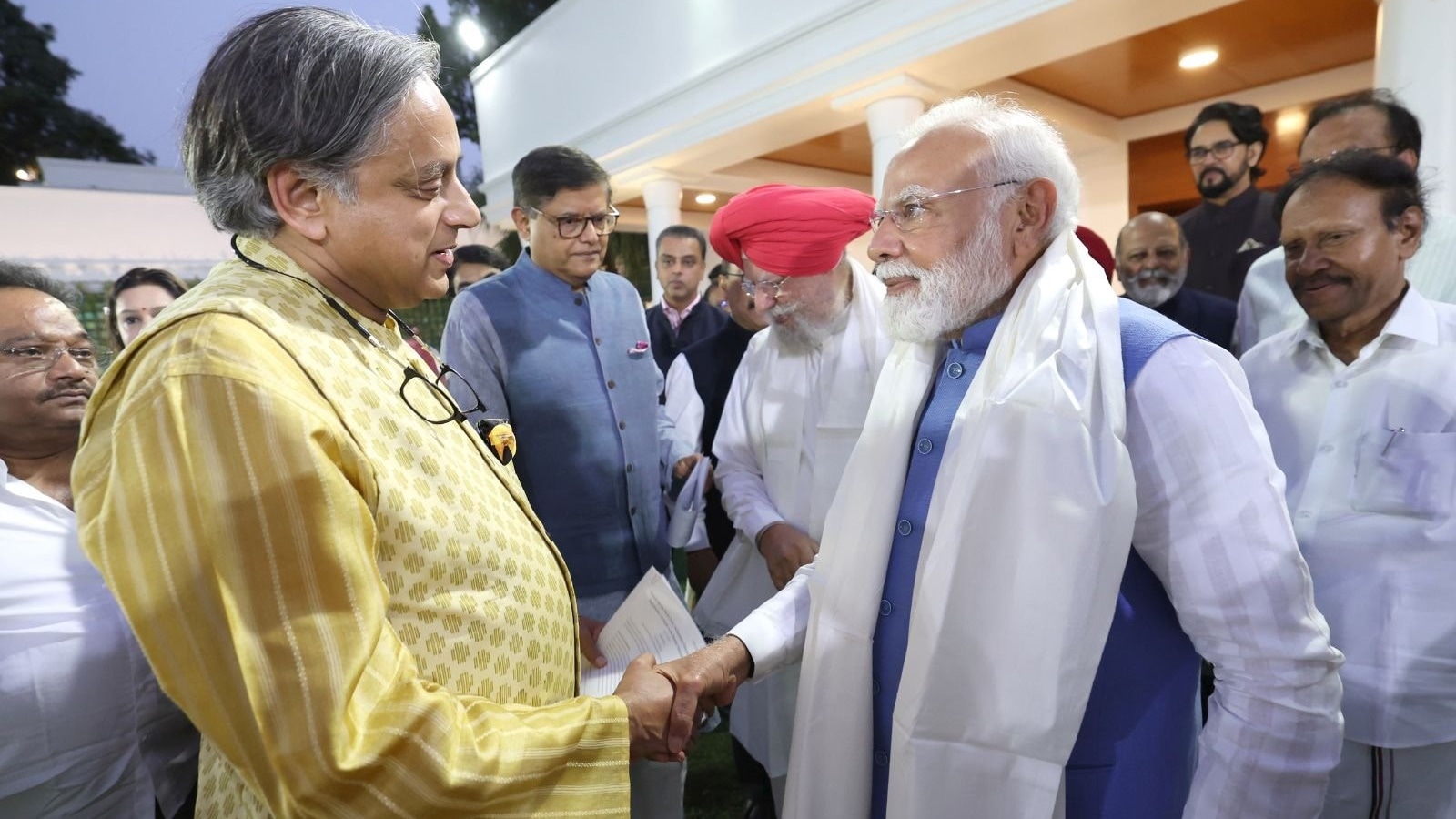
Prime Minister Narendra Modi has commended the efforts of multi-party delegations that recently visited over 30 countries to articulate India's position on terrorism following the Pahalgam attack and Operation Sindoor. This initiative, involving over 50 members including sitting parliamentarians, former lawmakers, and diplomats, aimed to project a unified national front and reaffirm India's dedication to global peace. Modi expressed his pride in the way these delegations presented India's voice on the international stage. The delegations' visits encompassed 33 foreign capitals and the European Union, indicating a broad and concerted effort to engage with global partners on the critical issue of terrorism. External Affairs Minister S Jaishankar had previously met with the members, acknowledging their effectiveness in communicating India's strong stance against Pakistan-sponsored terrorism. The composition of the delegations reflected a cross-section of Indian political representation, with leaders from both the ruling alliance and opposition parties participating. Key figures such as Ravi Shankar Prasad and Baijyant Panda from the BJP, Shashi Tharoor from the Congress, Sanjay Jha from JD(U), Shrikant Shinde from Shiv Sena, Kanimozhi from DMK, and Supriya Sule from NCP(SP) led delegations to various parts of the world. This inclusive approach underscored the government's intention to present a united front in the fight against terrorism, transcending partisan divides. The participation of prominent former parliamentarians like Ghulam Nabi Azad and Salman Khurshid further reinforced the experience and gravitas of these delegations. The government's strategic deployment of multi-party delegations signifies a proactive approach to international diplomacy and underscores India's commitment to addressing global challenges through collaborative efforts. By engaging with diverse stakeholders across the political spectrum, the government aimed to project a message of national unity and resolve in combating terrorism, fostering stronger international partnerships and support for India's counter-terrorism initiatives. The Prime Minister's appreciation of the delegations' work reflects the importance placed on this diplomatic outreach, highlighting the government's commitment to actively shaping the global narrative on terrorism and promoting peace and security.
The significance of sending multi-party delegations lies in its ability to showcase national unity and consensus on critical issues. Terrorism is a global threat that requires a coordinated international response, and by involving members from different political parties, India demonstrates its commitment to tackling this challenge with a unified approach. This sends a powerful message to the international community, signaling that India is united in its resolve to combat terrorism, irrespective of political affiliations. The participation of opposition leaders like Shashi Tharoor and Asaduddin Owaisi alongside members of the ruling alliance is particularly noteworthy. It underscores the fact that the fight against terrorism transcends partisan politics and is a shared responsibility of all political actors in the country. This inclusive approach enhances the credibility and legitimacy of India's diplomatic efforts, making it more likely that other countries will take its concerns seriously and support its initiatives. Furthermore, the composition of the delegations, comprising sitting parliamentarians, former lawmakers, and diplomats, ensures that India's message is conveyed effectively and persuasively. These individuals bring a wealth of experience and expertise to the table, enabling them to engage in meaningful discussions with their counterparts in other countries. Their ability to articulate India's position on terrorism clearly and concisely is crucial in garnering international support for its counter-terrorism efforts. The fact that the delegations visited 33 foreign capitals and the European Union demonstrates the scale and scope of India's diplomatic outreach. This widespread engagement allows India to connect with a diverse range of stakeholders, including governments, international organizations, and civil society groups, building relationships and fostering collaboration on counter-terrorism initiatives. By actively engaging with the international community, India can shape the global narrative on terrorism and promote its own perspectives and priorities.
The External Affairs Minister's earlier meeting and commendation of the delegations underscore the importance the government places on this diplomatic effort. It signals that the government is fully committed to supporting the delegations in their mission and providing them with the necessary resources and guidance. This ensures that the delegations are well-prepared to engage with their counterparts in other countries and effectively convey India's message. The Prime Minister's statement on X (formerly Twitter) further amplifies the message of national unity and commitment to global peace. By publicly praising the delegations' work, the Prime Minister reinforces the importance of this diplomatic initiative and encourages others to support it. This helps to create a sense of momentum and enthusiasm around India's counter-terrorism efforts, both domestically and internationally. The delegations' visits to various countries also provide an opportunity to address specific concerns and challenges related to terrorism in different regions. By engaging in dialogue with local stakeholders, the delegations can gain a better understanding of the unique challenges faced by each country and tailor their message accordingly. This helps to build trust and foster collaboration on counter-terrorism initiatives that are relevant and effective. The inclusion of former parliamentarians like Ghulam Nabi Azad and Salman Khurshid is particularly valuable, as they bring a wealth of experience and relationships to the table. Their ability to connect with their counterparts in other countries on a personal level can help to build bridges and foster a sense of mutual understanding. This can be particularly important in addressing sensitive issues related to terrorism and promoting cooperation on counter-terrorism initiatives. In conclusion, the government's decision to send multi-party delegations to convey India's position on terrorism is a strategic and effective approach to international diplomacy. By showcasing national unity, engaging with diverse stakeholders, and addressing specific concerns, India can strengthen its partnerships and promote its counter-terrorism initiatives on the global stage.
The reports from the delegates themselves highlight the positive reception they received. Shrikant Shinde, who led the delegation to the United Arab Emirates, the Democratic Republic of Congo, Sierra Leone, and Liberia, noted the overwhelming support extended by these nations for India's fight against terrorism. This demonstrates the effectiveness of the multi-party approach in garnering international goodwill. The delegations were not merely passively presenting India's case; they were actively engaging in dialogue and building relationships. This proactive approach allowed them to address concerns, clarify misunderstandings, and foster a deeper understanding of India's perspective. The Prime Minister's emphasis on enhancing India's stature on the world stage is also a key element of this initiative. By actively engaging in international diplomacy and promoting its views on critical issues, India can strengthen its position as a global leader. This not only benefits India in terms of its security and economic interests but also contributes to global peace and stability. Furthermore, the delegations' visits provided an opportunity to showcase India's soft power. By highlighting its rich culture, democratic values, and commitment to development, India can enhance its image and build stronger relationships with other countries. This soft power can be a valuable asset in promoting its interests and influencing global events. The use of social media platforms like X (formerly Twitter) to disseminate information about the delegations' activities is also a smart move. This allows the government to reach a wider audience and engage with citizens around the world. By sharing updates, photos, and videos, the government can create a sense of excitement and engagement around its diplomatic efforts. The Prime Minister's leadership is also a crucial factor in the success of this initiative. His personal involvement and encouragement of the delegations demonstrate the importance he places on international diplomacy. This inspires the delegates to work harder and motivates others to support India's efforts to combat terrorism. Overall, the initiative to send multi-party delegations to convey India's position on terrorism is a well-planned and executed strategy that is yielding positive results. By showcasing national unity, engaging with diverse stakeholders, and promoting its soft power, India is strengthening its partnerships and enhancing its stature on the world stage.
Source: Proud of manner in which multi-party delegations put India’s voice forward: PM Modi