
 |
|
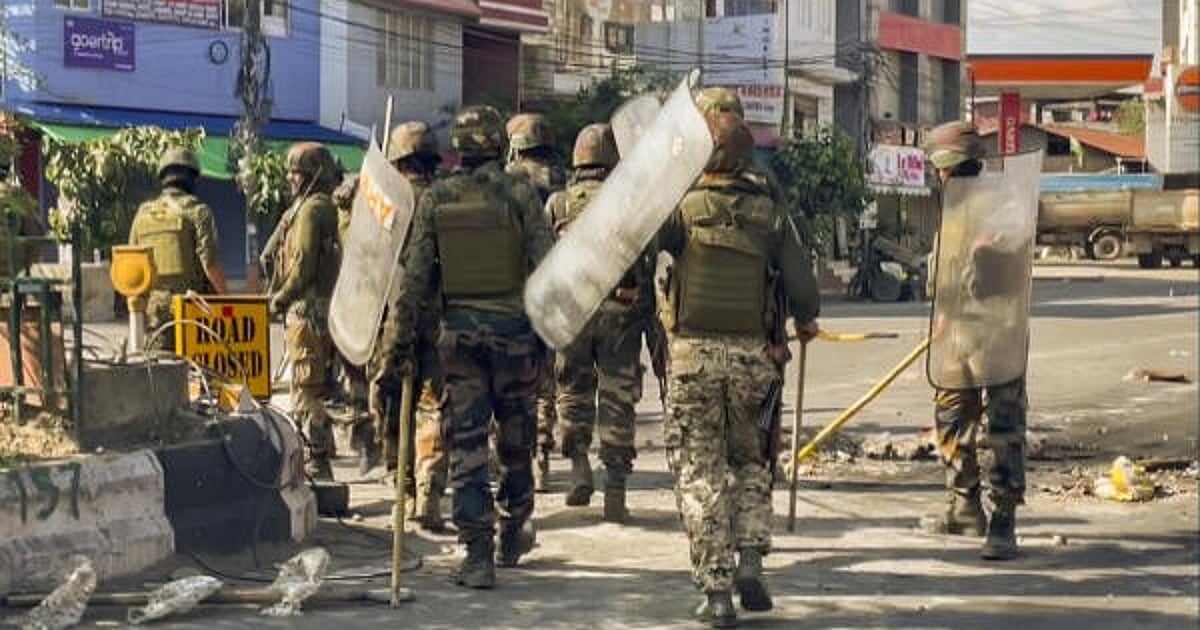
The article briefly reports on the ongoing tensions in the Imphal Valley of Manipur, triggered by the arrest of individuals, including a leader from the Meitei radical group Arambai Tenggol, by the Central Bureau of Investigation (CBI) and the National Investigation Agency (NIA). The demand for the release of these arrested individuals is being voiced by both Meitei and Kuki groups, highlighting the complex and multifaceted nature of the conflict in the region. The protests, particularly in the Meitei-dominated Imphal Valley, indicate a deep-seated unrest and a lack of trust in the authorities. While the article offers limited detail about the reasons for the arrests, it points to a connection between the individuals and the violence that has plagued Manipur. Understanding the historical context of the Meitei-Kuki conflict is crucial to grasping the current situation. The rivalry between these communities dates back several decades and stems from a complex interplay of factors, including competition over land and resources, political representation, and cultural identity. The tensions have periodically erupted into violence, resulting in significant loss of life and displacement of people. The role of radical groups like Arambai Tenggol further complicates the matter. These groups often operate with impunity, exacerbating communal tensions and undermining efforts to restore peace and stability. The involvement of central agencies like the CBI and NIA suggests that the government is taking the matter seriously and attempting to address the root causes of the conflict. However, the arrests have also triggered a backlash from within the communities, who perceive them as being politically motivated or discriminatory. The demand for the release of the arrested individuals underscores the challenges faced by the government in maintaining law and order while also addressing the grievances of the various communities. A sustainable solution to the Manipur conflict requires a multifaceted approach that addresses the underlying causes of the tensions, promotes dialogue and reconciliation, and ensures justice and accountability for all. The security situation remains precarious, and the potential for further escalation is high. The government needs to take proactive steps to prevent further violence and to build trust between the communities. This includes strengthening law enforcement, providing adequate security to vulnerable populations, and addressing the grievances of the affected communities. The media also has a crucial role to play in promoting responsible reporting and avoiding sensationalism that could further inflame tensions. The international community can also provide support by offering humanitarian assistance and encouraging dialogue and reconciliation. The Manipur conflict is a complex and protracted issue with no easy solutions. However, with a commitment to dialogue, reconciliation, and justice, it is possible to create a more peaceful and prosperous future for all the people of Manipur. The arrests by CBI and NIA are likely linked to ongoing investigations into the violence that has plagued Manipur, potentially targeting individuals suspected of inciting or participating in acts of violence, spreading misinformation, or engaging in illegal activities related to the conflict. These investigations aim to identify and bring to justice those responsible for the unrest, with the goal of restoring law and order and preventing future outbreaks of violence. The specific charges against those arrested remain unclear from the provided article, but they could range from rioting and arson to conspiracy and even acts of terrorism, depending on the severity of their alleged involvement. The reactions from the Meitei and Kuki groups highlight the deeply entrenched divisions and mistrust within Manipur's society. The demand for the release of those arrested reflects a perception among some community members that the arrests are biased or unjust, potentially targeting specific ethnic groups while overlooking the actions of others. This underscores the importance of ensuring transparency and fairness in the investigative process to maintain public trust and prevent further polarization. The presence of groups like Arambai Tenggol signifies the existence of radical elements within Manipur that are willing to resort to violence to achieve their goals. These groups often operate outside the law and contribute to the cycle of conflict and instability. Addressing the root causes of their radicalization, such as feelings of marginalization, historical grievances, and lack of economic opportunities, is crucial to preventing future violence. The situation in Manipur calls for a comprehensive approach that combines law enforcement efforts with measures to promote dialogue, reconciliation, and socio-economic development. Building trust between communities, addressing historical grievances, and creating opportunities for all are essential steps towards achieving lasting peace and stability in the region. The long-term stability of Manipur hinges on addressing these underlying issues and fostering a sense of shared identity and belonging among its diverse population.
The current unrest highlights the vulnerability of Manipur's social fabric, deeply affected by pre-existing ethnic fault lines. The demand for the release of those arrested reveals the complex interplay of law enforcement, community sentiments, and political affiliations. The fact that both Meitei and Kuki groups are protesting, albeit potentially for different reasons or specific cases within the broader arrests, points to a shared concern regarding the handling of the situation by central agencies. It's essential to unpack the specific grievances and demands of each group to understand the nuances of their concerns. For instance, the Meitei community's protest, particularly regarding the arrest of a leader from Arambai Tenggol, might stem from a perception that the government is unfairly targeting Meitei organizations while neglecting the alleged wrongdoings of other groups. Conversely, the Kuki groups' demands might be related to the perceived lack of protection for Kuki communities and the alleged involvement of Meitei groups in attacks against them. The involvement of CBI and NIA suggests the gravity of the situation and the potential involvement of serious offenses, warranting investigation at the national level. However, it also adds a layer of complexity, as the perceived impartiality of these agencies can be challenged, particularly in a conflict zone where trust is already eroded. The article underlines the urgent need for a nuanced and sensitive approach to law enforcement, ensuring that arrests are based on credible evidence and due process is followed. It also emphasizes the importance of open communication and transparency, informing the public about the reasons for the arrests and the progress of investigations to avoid fueling further mistrust and misinformation. The situation in Manipur is further complicated by the presence of multiple armed groups and the proliferation of weapons, making it difficult to maintain law and order. The state government, with the support of central forces, needs to strengthen its security apparatus, conduct regular patrols, and disarm illegal groups to prevent further violence. Moreover, addressing the economic disparities and lack of opportunities in the region is crucial to tackling the root causes of unrest. Investing in education, skill development, and infrastructure can provide alternative livelihood options and reduce the vulnerability of young people to recruitment by armed groups. Finally, fostering inter-community dialogue and reconciliation is essential to healing the wounds of the past and building a shared future. This requires engaging with community leaders, religious figures, and civil society organizations to promote understanding, empathy, and forgiveness. The road to peace and stability in Manipur is long and challenging, but with a concerted effort from all stakeholders, it is possible to overcome the current crisis and build a more inclusive and prosperous society.
The arrest of individuals, including a leader from Arambai Tenggol, a Meitei radical group, by central agencies like CBI and NIA signifies a proactive step taken by the government to address the ongoing violence and unrest in Manipur. While the article doesn’t delve into the specifics of the charges against these individuals, the very act of their arrest suggests their alleged involvement in activities that have contributed to the deterioration of law and order in the region. The demonstrations by both Meitei and Kuki groups demanding their release are indicative of the deeply fractured social fabric in Manipur, where any action by the government can be perceived as biased or unfair by one community or another. This perception is further fueled by historical grievances, existing power dynamics, and a lack of trust in the authorities. The fact that Arambai Tenggol is described as a “radical group” suggests a propensity for violence and extremism, which exacerbates the already volatile situation in Manipur. The government’s attempt to curb the influence of such groups is a necessary step in restoring peace and stability, but it must be accompanied by efforts to address the underlying causes of their radicalization, such as feelings of marginalization, discrimination, and lack of opportunities. The protests by the Kuki groups, while not directly related to the arrest of the Arambai Tenggol leader, might stem from a broader concern regarding the security and well-being of their community. They may feel that the government is not doing enough to protect them from attacks by Meitei groups, and that their grievances are not being adequately addressed. The involvement of CBI and NIA in the investigations highlights the seriousness of the situation and the potential for national security implications. These agencies are typically tasked with investigating complex and sensitive cases that transcend state boundaries, suggesting that the violence in Manipur may have wider ramifications. The government needs to ensure that the investigations are conducted in a transparent and impartial manner, and that due process is followed in all cases. This will help to build trust among the communities and prevent further polarization. The situation in Manipur underscores the need for a comprehensive approach that combines law enforcement measures with efforts to promote dialogue, reconciliation, and socio-economic development. The government needs to engage with all stakeholders, including community leaders, religious figures, and civil society organizations, to foster a sense of shared ownership and responsibility for the peace process. Furthermore, addressing the economic disparities and lack of opportunities in the region is crucial to preventing future unrest. Investing in education, healthcare, and infrastructure can create alternative livelihood options and reduce the vulnerability of young people to recruitment by armed groups. The path to peace and stability in Manipur is fraught with challenges, but it is not insurmountable. With a sustained commitment to dialogue, reconciliation, and justice, it is possible to overcome the current crisis and build a more inclusive and prosperous society for all the people of Manipur.
Source: Meitei, Kuki groups in Manipur demand release of those arrested by CBI, NIA