
 |
|
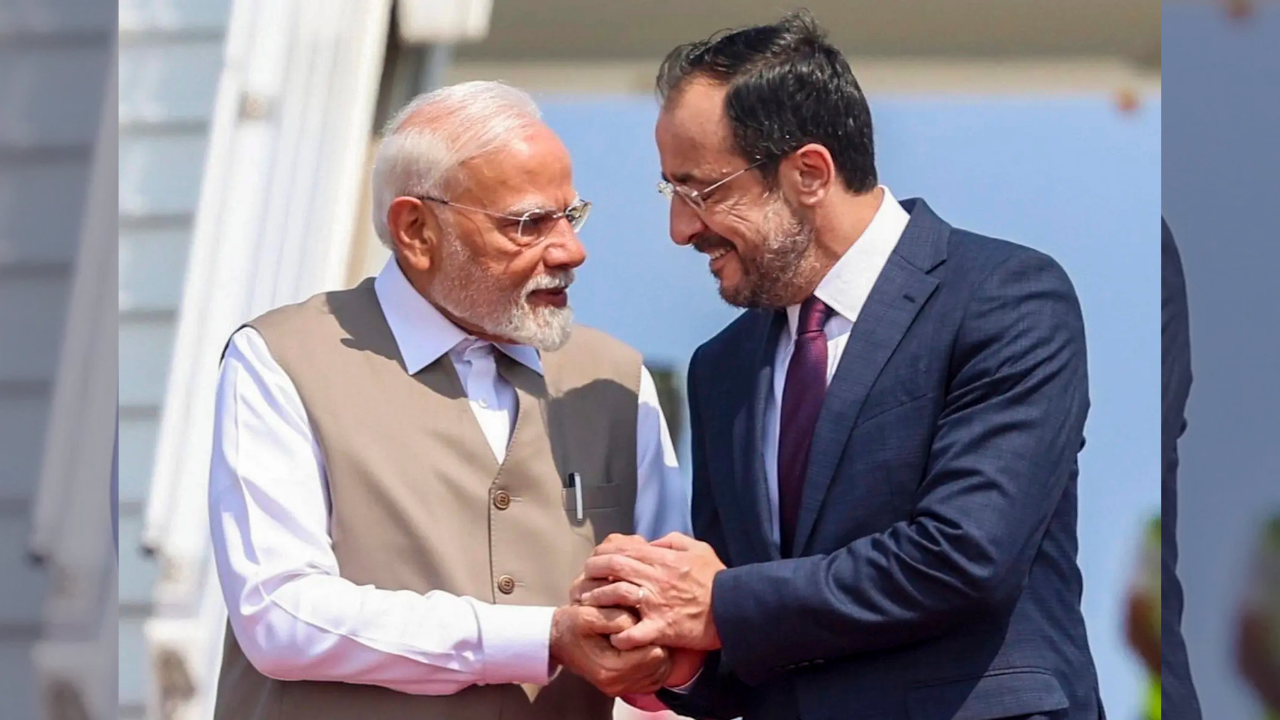
The arrival of Prime Minister Narendra Modi in Limassol, Cyprus, marks a significant moment in the relationship between India and Cyprus. The warm reception he received from the Indian diaspora, characterized by enthusiastic chants of ‘Vande Mataram’ and ‘Bharat Mata Ki Jai’, underscores the deep emotional connection that these communities maintain with their homeland. This visit, as suggested by the article title, is intended to rekindle both strategic and cultural ties between the two nations, signaling a renewed commitment to bilateral cooperation and mutual understanding. The mere fact that the Prime Minister is personally undertaking this visit speaks volumes about the importance India attaches to its relationship with Cyprus, a nation strategically located in the Eastern Mediterranean. The image source attribution to ANI (Asian News International) suggests that the event is being covered by a major news agency, further highlighting its newsworthiness and significance on the international stage. Modi's arrival and the enthusiastic welcome he received are not just a symbolic gesture; they represent a tangible expression of the enduring bonds that link India and its diaspora, as well as the potential for deepened collaboration across various sectors between the two countries. The article, although brief, sets the stage for further developments and announcements that might emerge from this landmark visit. This initial reception can be viewed as an indicator of the strong foundation upon which these renewed ties are being built, promising a potentially fruitful period of engagement between India and Cyprus. The emotional resonance of the chants further showcases the soft power that India wields through its diaspora, a factor that can significantly influence diplomatic relations and economic partnerships. The historical embrace alluded to in the title seems well on its way to being realized, starting with the powerful display of support from the Indian community abroad.
The strategic importance of Cyprus in the Eastern Mediterranean cannot be overstated. Its geographical location makes it a crucial player in regional stability and security. India's engagement with Cyprus, therefore, has implications beyond the immediate bilateral relationship. It contributes to India's broader strategic objectives in the region, including maritime security, counter-terrorism, and economic cooperation. By strengthening ties with Cyprus, India can enhance its presence and influence in a strategically vital area. The cultural dimension of the relationship is equally important. Shared historical experiences and cultural affinities provide a strong foundation for people-to-people connections and mutual understanding. The presence of a vibrant Indian diaspora in Cyprus further strengthens these cultural links, acting as a bridge between the two societies. These cultural exchanges and interactions can foster greater trust and cooperation, paving the way for deeper political and economic engagement. The visit of Prime Minister Modi is likely to focus on exploring opportunities for collaboration in various fields, including trade, investment, technology, and tourism. Cyprus, with its well-developed financial sector and strategic location, can serve as a gateway for Indian businesses to access the European market. Similarly, India's growing economy and technological prowess can offer significant opportunities for Cypriot businesses. By leveraging their respective strengths, India and Cyprus can create mutually beneficial partnerships that contribute to their economic growth and development. Furthermore, the visit may also address issues of mutual concern, such as climate change, sustainable development, and regional security. India and Cyprus share a commitment to multilateralism and international cooperation, and they can work together to promote peace and stability in the region and beyond.
The significance of the Indian diaspora's enthusiastic welcome for Prime Minister Modi extends beyond mere symbolism. It represents a powerful demonstration of the community's support for India's foreign policy objectives and its commitment to strengthening ties with their host country. The diaspora serves as an important asset for India, promoting its interests and values abroad. Their active participation in the social, economic, and political life of Cyprus contributes to the country's development and fosters goodwill between the two nations. The chants of 'Vande Mataram' and 'Bharat Mata Ki Jai' are not just expressions of patriotism; they also reflect a deep sense of cultural identity and belonging. The diaspora's ability to maintain its cultural heritage while integrating into Cypriot society is a testament to its resilience and adaptability. This cultural richness further enriches the relationship between India and Cyprus, adding another layer of depth and complexity. Looking ahead, the visit of Prime Minister Modi is expected to usher in a new era of cooperation between India and Cyprus. The two countries have much to offer each other, and by working together, they can achieve their shared goals of peace, prosperity, and security. The enthusiastic welcome from the Indian diaspora serves as a strong foundation for this renewed partnership, signaling a promising future for the relationship between India and Cyprus. This visit highlights the important role that diaspora communities play in shaping international relations and promoting cultural understanding, underscoring the power of people-to-people connections in fostering global cooperation. The emphasis on rekindling both strategic and cultural ties suggests a holistic approach to the relationship, recognizing the importance of both hard power and soft power in achieving mutually beneficial outcomes.
Source: A historic embrace: PM Modi’s landmark visit to Cyprus rekindles strategic and cultural ties