
 |
|
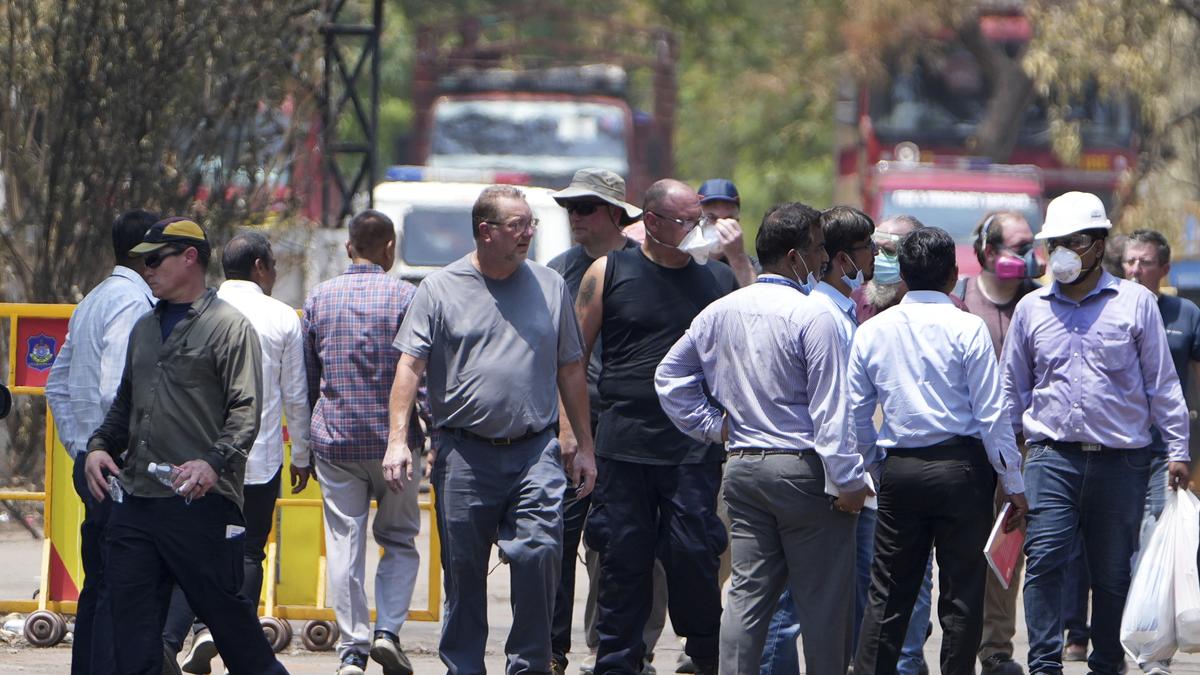
The Air India Ahmedabad plane crash, a tragic event that claimed the lives of 241 individuals, has spurred a comprehensive international investigation. The Aircraft Accident Investigation Bureau (AAIB), India’s apex body for probing air crashes, is receiving assistance from several international investigating agencies, including the National Transportation Safety Board (NTSB) of the U.S., the Federal Aviation Administration (FAA), and the U.K.’s Civil Aviation Authority (CAA). This collaborative effort underscores the severity of the incident and the commitment to uncovering the root causes of the crash to prevent similar tragedies in the future. The involvement of Boeing, the aerospace manufacturer of the 787 aircraft involved, further highlights the importance of a multi-faceted approach to the investigation. The presence of representatives from various countries, including the U.S. and the U.K., also reflects the global impact of the crash, as many of the passengers were foreign nationals. The investigation's scope extends beyond the immediate circumstances of the crash, encompassing a review of standard operating procedures and emergency response protocols. The constitution of a separate committee, chaired by the Home Secretary, to recommend improvements in these areas signifies a proactive effort to enhance aviation safety standards. This committee’s work will be crucial in identifying potential vulnerabilities in the existing system and implementing measures to mitigate future risks. The prompt retrieval of the black box, containing the cockpit voice recorder (CVR) and digital flight data recorder (DFDR), is a critical step in the investigation process. The data extracted from these recorders will provide invaluable insights into the events leading up to the crash, including the flight parameters, crew communications, and any technical malfunctions that may have occurred. The analysis of this data is a complex and time-consuming process, requiring specialized expertise and equipment. While the AAIB has recently established its own DFDR & CVR Laboratory, the lack of “Boeing 787-type trained” investigators within the organization raises concerns about the depth of expertise available. The potential conflict of interest in deputing Air India personnel, who are the only operators of this aircraft type in the country, necessitates exploring alternative sources of expertise, possibly from overseas. The challenges faced by the AAIB in securing the necessary expertise highlight the importance of investing in training and development programs to build domestic capacity in aviation accident investigation. This would reduce reliance on external assistance and ensure a more efficient and timely investigation process. The international protocols and standards laid down by the International Civil Aviation Organization (ICAO) provide a framework for the investigation, emphasizing the importance of transparency and accountability. The requirement for a preliminary report within 30 days and a final report within 12 months underscores the commitment to providing timely information to the public and stakeholders. The NTSB's statement affirming that all information on the investigation will be provided by the Government of India reflects the principle of state responsibility in accordance with the Chicago Convention. The FAA's offer of technical support, in the event it is requested, further demonstrates the collaborative spirit among international aviation authorities. The investigation into the Air India Ahmedabad plane crash is a complex and multi-faceted undertaking, requiring the expertise and cooperation of various agencies and organizations. The ultimate goal is to determine the root causes of the crash and implement measures to prevent similar tragedies from occurring in the future. The focus remains unwavering on providing support to the families of the victims and ensuring a coordinated response across all agencies involved, as reiterated by the Principal Secretary to the Prime Minister. The incident serves as a stark reminder of the importance of aviation safety and the need for continuous improvement in safety standards and procedures.
The absence of a Boeing 787-trained investigator within the AAIB highlights a potential gap in the investigative capabilities. The Boeing 787 is a technologically advanced aircraft with unique systems and operational characteristics. Investigating an accident involving this type of aircraft requires specialized knowledge and expertise to properly analyze the data from the black box and identify potential contributing factors. While the AAIB has established its own DFDR & CVR Laboratory, the lack of trained personnel to operate and interpret the data from these devices raises concerns about the effectiveness of the investigation. The AAIB's reluctance to depute Air India personnel, who are the only operators of the Boeing 787 in India, due to potential conflict of interest, is understandable. However, this necessitates exploring alternative sources of expertise, possibly from overseas. Engaging international experts with experience in investigating accidents involving Boeing 787 aircraft would enhance the credibility and thoroughness of the investigation. Furthermore, investing in training and development programs to build domestic capacity in aviation accident investigation is essential for long-term sustainability. This would reduce reliance on external assistance and ensure a more efficient and timely investigation process. The AAIB's lack of “Boeing 787-type trained” investigator until at least 18 months ago brings to light the importance of proactive preparation rather than reactive response to potential accidents. Having investigators familiar with the specifics of different aircraft types before an accident is a key component of the readiness required for incident analysis. This requires continuous learning and development within the accident investigation bureau, including participation in relevant courses and workshops, as well as collaboration with aircraft manufacturers and operators to gain practical experience. The absence of readily available expertise also highlights the importance of international collaboration in aviation accident investigation. International agreements and protocols, such as the Chicago Convention, facilitate the sharing of resources and expertise among different countries, ensuring that investigations are conducted effectively and efficiently. By leveraging the knowledge and experience of international experts, the AAIB can enhance its investigative capabilities and ensure a thorough and impartial investigation. In addition to addressing the lack of Boeing 787 expertise, the AAIB should also focus on strengthening its overall investigative capabilities. This includes investing in advanced equipment and technology, developing standardized procedures, and promoting a culture of safety and transparency. By enhancing its overall capabilities, the AAIB can improve its ability to investigate accidents effectively and contribute to improving aviation safety in India. The Air India Ahmedabad plane crash is a tragic event that underscores the importance of aviation safety and the need for continuous improvement in safety standards and procedures. By addressing the gaps in investigative capabilities and promoting international collaboration, the AAIB can ensure a thorough and impartial investigation and contribute to preventing similar tragedies from occurring in the future.
The role of the separate committee constituted under the Chairmanship of the Home Secretary is crucial in recommending standard operating procedures (SOPs) to prevent air accidents and guidelines for emergency response involving multiple stakeholders. This committee’s work goes beyond the immediate investigation of the Air India Ahmedabad plane crash and focuses on systemic improvements to enhance aviation safety. By reviewing existing SOPs and identifying potential vulnerabilities, the committee can recommend changes to minimize the risk of future accidents. The committee’s focus on emergency response involving multiple stakeholders is also critical. Air accidents often require a coordinated response from various agencies, including the airport authorities, local government, medical services, and disaster management teams. Clear guidelines and protocols are essential to ensure that these agencies work together effectively to provide timely assistance to the victims and manage the aftermath of the accident. The committee’s work should also include reviewing the training and resources available to emergency response teams. Adequate training and equipment are essential for these teams to respond effectively to air accidents. The committee should also consider establishing a system for regular drills and exercises to test the effectiveness of the emergency response plan. By proactively addressing these issues, the committee can significantly enhance the preparedness of the aviation industry to respond to air accidents. This, in turn, will help to minimize the impact of future accidents and save lives. The constitution of this committee reflects a commitment to learning from the Air India Ahmedabad plane crash and taking proactive steps to prevent similar tragedies from occurring in the future. The committee’s work should be conducted in a transparent and inclusive manner, involving input from all stakeholders, including the aviation industry, government agencies, and the public. By working together, these stakeholders can create a safer and more secure aviation environment for all. The Air India Ahmedabad plane crash has highlighted the importance of investing in aviation safety and ensuring that all necessary measures are in place to prevent future accidents. The committee’s work will play a crucial role in achieving this goal. The committee’s mandate extends to both preventative measures and response protocols, indicating a holistic approach to aviation safety. This is crucial because accidents are often the result of a combination of factors, including human error, technical malfunctions, and environmental conditions. By addressing all of these factors, the committee can help to reduce the likelihood of future accidents. The committee’s work should also consider the psychological impact of air accidents on the victims and their families. Adequate support and counseling should be provided to those affected by these tragedies. By addressing the psychological impact of air accidents, the aviation industry can help to heal the wounds of the past and build a more resilient future.
The AAIB's structure as an office attached to the Ministry of Civil Aviation presents both advantages and potential drawbacks. On one hand, being directly linked to the Ministry can facilitate access to resources, information, and policy support. This can be crucial for conducting thorough investigations and implementing recommendations for safety improvements. The Ministry's oversight can also ensure accountability and adherence to established standards. However, this close relationship can also raise concerns about independence and potential conflicts of interest. The Ministry's role in regulating and promoting the aviation industry may create pressure to downplay certain findings or avoid assigning blame to specific entities. This is particularly relevant in cases involving Air India, a state-owned airline. To mitigate these risks, it is essential to maintain transparency and ensure that the AAIB operates with a high degree of autonomy. Clear guidelines and protocols should be established to safeguard the independence of the investigation process and prevent undue influence from the Ministry or other stakeholders. The AAIB's investigators should be free to pursue all lines of inquiry without fear of reprisal or interference. The appointment of investigators with impeccable credentials and a proven track record of independence is also crucial. In addition to structural safeguards, a strong culture of ethics and professionalism is essential to maintaining the integrity of the investigation process. The AAIB's investigators should be committed to uncovering the truth, regardless of the potential consequences. The International Civil Aviation Organization (ICAO) sets international standards for aviation safety and accident investigation. Adhering to these standards is crucial for ensuring that investigations are conducted in a thorough and impartial manner. The ICAO's Annex 13 provides detailed guidance on accident investigation procedures, including the responsibilities of the state of occurrence, the composition of the investigation team, and the collection and analysis of evidence. By complying with these standards, the AAIB can enhance the credibility and reliability of its investigations. In conclusion, the AAIB's structure as an office attached to the Ministry of Civil Aviation presents both opportunities and challenges. By maintaining transparency, ensuring independence, and adhering to international standards, the AAIB can effectively investigate air accidents and contribute to improving aviation safety in India. The Ahmedabad plane crash serves as a critical test for the AAIB to demonstrate its commitment to objectivity and thoroughness in the pursuit of answers.
The aftermath of the Air India Ahmedabad crash underscores the crucial need for readily available and accessible support systems for the families of the victims. The emotional and psychological toll on these families is immeasurable, and they require comprehensive assistance to navigate the grieving process and cope with the trauma. The support should extend beyond immediate financial assistance to encompass long-term counseling, bereavement support groups, and legal guidance. Establishing a dedicated support center for the families, staffed by trained professionals, can provide a central point of contact for accessing these services. The support center should also serve as a platform for information dissemination, keeping the families informed about the progress of the investigation and any relevant developments. Furthermore, involving the families in the investigation process, where appropriate, can empower them and provide a sense of closure. Transparency and open communication are essential to building trust and ensuring that the families feel heard and respected. The Air India Ahmedabad plane crash serves as a stark reminder of the human cost of aviation accidents. By providing comprehensive and compassionate support to the families of the victims, the aviation industry can demonstrate its commitment to caring for those affected by these tragedies. The Principal Secretary to Prime Minister, P.K. Mishra's visit to the crash site and the BJ Medical College, where the bodies had been brought, highlights the government's commitment to providing all possible support to victims’ families and ensuring a coordinated response across all agencies involved. This high-level engagement underscores the importance of prioritizing the needs of the families and ensuring that they receive the support they deserve. In addition to providing individual support, the government should also consider establishing a national compensation fund for victims of air accidents. This fund would provide a streamlined and efficient mechanism for providing financial assistance to families in need. The fund should be funded by contributions from the aviation industry and the government. The establishment of such a fund would demonstrate a long-term commitment to supporting victims of air accidents and ensuring that they receive the financial assistance they need to rebuild their lives. The Air India Ahmedabad plane crash is a tragic event that will have a lasting impact on the families of the victims. By providing comprehensive and compassionate support, the aviation industry and the government can help these families to cope with the trauma and rebuild their lives.
Source: Air India Ahmedabad plane crash: International agencies reach Ahmedabad to assist in crash probe