
 |
|
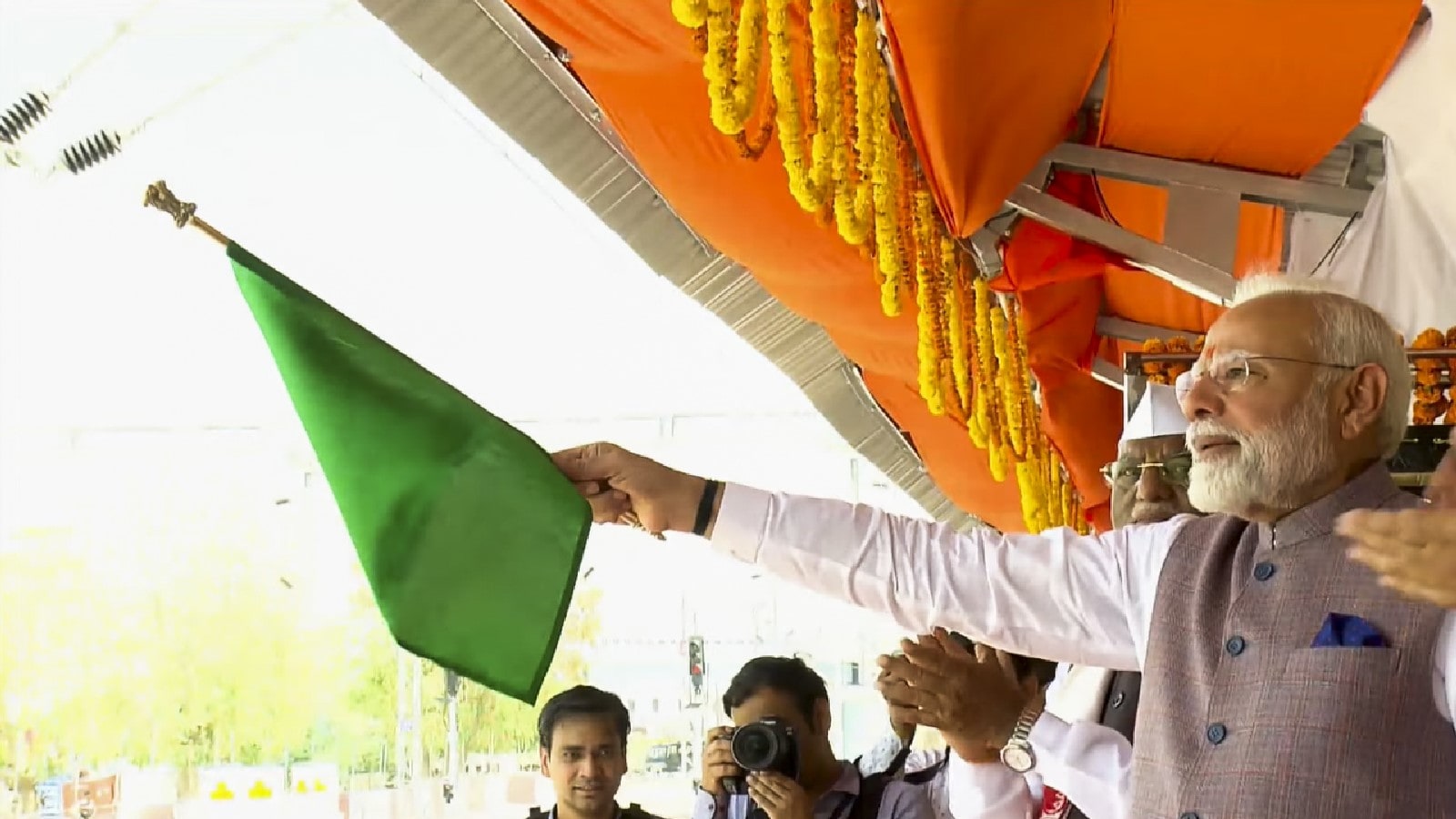
The Modi government's recent approval of two significant railway infrastructure projects, totaling ₹6,405 crore, marks a substantial push towards enhancing connectivity, boosting freight capacity, generating employment opportunities, and reducing carbon emissions across key regions of India. These projects, announced by Prime Minister Narendra Modi, directly align with the PM Gati Shakti National Master Plan, a comprehensive initiative designed to stimulate economic growth through coordinated and expedited infrastructure development. The approval underscores the government's commitment to modernizing India's railway network, recognizing its pivotal role in facilitating economic activity, promoting industrial growth, and ensuring efficient transportation of goods and people. The two projects, specifically the doubling of the Koderma–Barkakana railway line in Jharkhand and the Ballari–Chikjajur line spanning Karnataka and Andhra Pradesh, represent a strategic investment in enhancing the country's logistical capabilities and promoting sustainable development. The expansion of the rail network by 318 km will serve approximately 1,408 villages, benefiting a combined population exceeding 2.8 million, thereby fostering inclusive growth and improving the quality of life for a significant segment of the population.
The Koderma–Barkakana railway line, traversing a major coal-producing region, holds strategic importance for the transportation of coal, a vital energy source for India's power sector. By doubling this line, the government aims to improve the efficiency and reliability of coal transportation, reducing bottlenecks and ensuring a consistent supply of fuel to power plants. Furthermore, the Koderma-Barkakana line provides the shortest rail link between Patna and Ranchi, connecting two important urban centers and facilitating passenger movement and economic exchange. The Ballari–Chikjajur section, on the other hand, runs through key industrial and mining areas, facilitating the transport of essential commodities such as iron ore, cement, and steel. The doubling of this line will significantly enhance the capacity to transport these materials, supporting industrial growth and strengthening the supply chains for various industries. The government's focus on improving railway infrastructure in these regions reflects a deep understanding of the critical role that transportation plays in driving economic development and ensuring the efficient movement of goods and resources.
The projected benefits of these railway projects extend beyond enhanced connectivity and increased freight capacity. The government anticipates that this capacity enhancement will generate an additional 49 million tonnes of freight annually, contributing significantly to the growth of the logistics sector and reducing transportation costs for businesses. Aligned with the PM Gati Shakti National Master Plan, these projects are also expected to reduce logistics costs, decrease annual oil imports by 52 crore litres, and lower carbon emissions by 264 crore kilograms, equivalent to planting 11 crore trees. This focus on sustainability underscores the government's commitment to environmentally responsible development, recognizing the importance of mitigating climate change and promoting a greener economy. The multi-tracking initiative is also expected to improve service reliability and create enhanced job and self-employment opportunities within the region, contributing to economic empowerment and social inclusion. The creation of job opportunities is particularly significant, as it provides employment to local communities, reduces poverty, and fosters a sense of ownership in the development process.
The PM Gati Shakti National Master Plan, launched in 2021, represents a paradigm shift in India's approach to infrastructure development. By integrating key ministries, including railways, roads, ports, aviation, power, and telecom, onto a single digital platform, the initiative aims to promote more efficient infrastructure planning and execution. This integrated approach minimizes logistics costs, reduces delays, and ensures seamless multimodal connectivity nationwide. The Gati Shakti initiative recognizes that infrastructure development is not merely about building roads and railways, but about creating a comprehensive ecosystem that supports economic growth and enhances India's global competitiveness. By integrating infrastructure planning, Gati Shakti promotes the efficient movement of goods and people, strengthens industrial connections, and reduces the time and cost associated with transportation. This holistic approach to infrastructure development is essential for unlocking India's economic potential and achieving sustainable and inclusive growth.
The Modi government's approval of these railway projects is a testament to its commitment to modernizing India's infrastructure and driving economic growth. The projects are strategically aligned with the PM Gati Shakti National Master Plan, demonstrating a comprehensive and coordinated approach to infrastructure development. The anticipated benefits of these projects, including enhanced connectivity, increased freight capacity, reduced logistics costs, and lower carbon emissions, are significant and will contribute to a more prosperous and sustainable future for India. Furthermore, the creation of job opportunities and the improvement of service reliability will enhance the quality of life for millions of people across the country. The government's focus on railway infrastructure reflects a deep understanding of the critical role that transportation plays in economic development and the importance of investing in sustainable and efficient transportation systems. As India continues to grow and develop, investments in infrastructure, such as these railway projects, will be essential for ensuring that the country remains competitive in the global economy and that all citizens have the opportunity to benefit from economic progress.
The success of these railway projects will depend on effective implementation and coordination among various stakeholders. The government must ensure that the projects are completed on time and within budget, and that the benefits reach the intended beneficiaries. This requires strong project management capabilities, transparent procurement processes, and effective monitoring mechanisms. Furthermore, the government must continue to invest in skills development and capacity building to ensure that the workforce is equipped to operate and maintain the new infrastructure. The PM Gati Shakti National Master Plan provides a framework for coordinated planning and execution, but its success will depend on the commitment and collaboration of all stakeholders. By working together, the government, the private sector, and civil society can ensure that these railway projects contribute to a more prosperous and sustainable future for India.
In conclusion, the Modi government's approval of these railway projects represents a significant step forward in enhancing India's infrastructure and driving economic growth. The projects are strategically aligned with the PM Gati Shakti National Master Plan and are expected to generate significant economic, social, and environmental benefits. By improving connectivity, increasing freight capacity, reducing logistics costs, and lowering carbon emissions, these projects will contribute to a more prosperous and sustainable future for India. Furthermore, the creation of job opportunities and the improvement of service reliability will enhance the quality of life for millions of people across the country. The government's commitment to modernizing India's railway network is a testament to its understanding of the critical role that transportation plays in economic development and the importance of investing in sustainable and efficient transportation systems. The successful implementation of these projects will require effective coordination and collaboration among various stakeholders, but the potential rewards are substantial and will contribute to a stronger and more prosperous India.
Source: Modi Govt Clears Two Rail Projects In Major Gati Shakti Push, 2.8 Million To Benefit