
 |
|
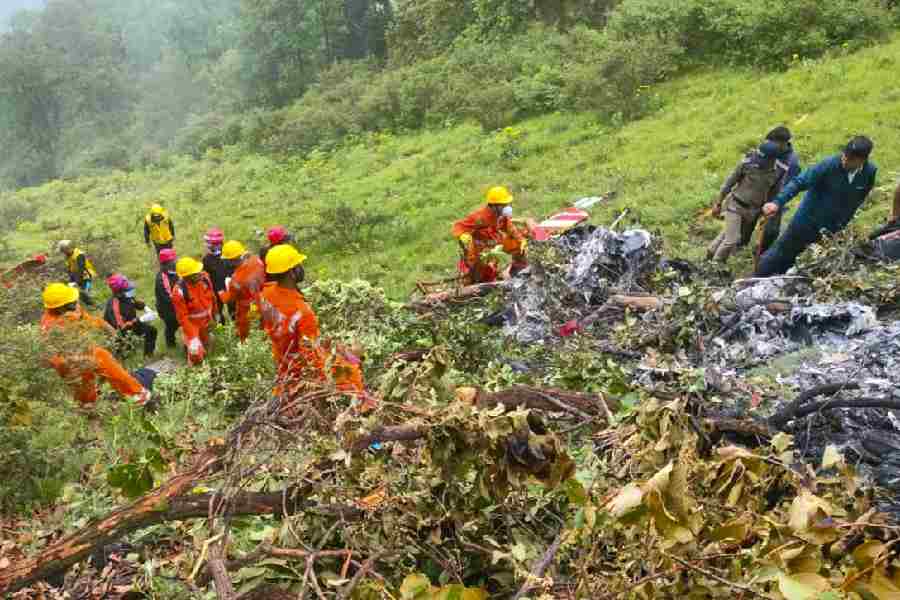
The recent helicopter crash near Kedarnath, Uttarakhand, resulting in the tragic loss of seven lives, has brought to the forefront long-standing concerns regarding the safety protocols and operational practices of helicopter services operating on the Char Dham Yatra route. The accident, involving an Aryan Aviation Bell 407 helicopter, occurred due to what authorities are preliminarily attributing to Controlled Flight Into Terrain (CFIT) amid conditions of “zero visibility” and thick fog. This incident, the fifth helicopter-related scare or crash on this pilgrimage route since May, has ignited public outrage and prompted government intervention, albeit perceived by some as belated and insufficient. The immediate aftermath saw a two-day suspension of helicopter services and promises of stricter monitoring, but questions remain about the systemic failures that allowed such a tragedy to occur in the first place. The circumstances surrounding the crash point towards a confluence of factors, including adverse weather conditions, alleged negligence by helicopter operators driven by profit maximization, and potential regulatory oversights. The state government’s initial statement revealed that the helicopter, after offloading passengers at Kedarnath, took off again for Guptkashi within a mere minute, raising serious concerns about the adequacy of post-flight safety checks and maintenance procedures. Government sources, speaking anonymously, accused private operators of routinely flouting regulations with impunity, prioritizing the number of flights over passenger safety and operational standards. This accusation is further substantiated by reports suggesting that helicopter operators were making as many as ten round trips per day, a rate deemed excessive by officials and locals alike, given the challenging terrain and unpredictable weather patterns in the region. The cost of these helicopter services, ranging from ₹4,000 to ₹10,000 for the short Guptkashi-Kedarnath trip and ₹40,000 to ₹1 lakh for the longer Dehradun-Kedarnath flight, underscores the significant financial incentives driving the operators' behavior. The civil aviation ministry’s preliminary assessment of CFIT as the probable cause highlights the critical importance of weather-related decision-making and pilot judgment. CFIT occurs when a fully functional aircraft is inadvertently flown into the ground, water, or an obstacle, typically due to pilot error or a lack of situational awareness. In this particular case, the poor visibility and extensive clouding in the valley entry area appear to have played a significant role. The incident also raises questions about the effectiveness of the state government’s regulatory oversight and enforcement mechanisms. Despite Chief Minister Pushkar Singh Dhami’s recent warning to service providers to prioritize safety and ensure compliance with fitness tests, the tragedy underscores the challenges in effectively regulating a complex and rapidly growing industry. Social activist Anoop Nautiyal criticized the state government for failing to learn from previous mishaps, highlighting the discrepancy between announced measures and on-the-ground realities. The Directorate General of Civil Aviation (DGCA) had purportedly reduced the frequency of helicopter operations to Kedarnath, limiting services to nine per hour during daytime, but reports suggest that this order was not being strictly enforced. The accident investigation by the Aircraft Accident Investigation Bureau is expected to shed light on the specific causes and contributing factors. The investigation will likely examine the pilot's experience and training, the helicopter's maintenance records, the weather conditions at the time of the crash, and the communication and coordination between the pilot, air traffic control, and the helicopter operator. Beyond the immediate investigation, the incident has broader implications for the future of helicopter services in the Char Dham region. The state government faces the daunting task of balancing the needs of pilgrims seeking convenient access to these holy sites with the paramount importance of ensuring their safety. This requires a comprehensive review of existing regulations, stricter enforcement mechanisms, and a greater emphasis on safety training and compliance among helicopter operators. It also necessitates a more transparent and accountable system for monitoring weather conditions and making informed decisions about flight operations. Furthermore, the incident highlights the need for greater public awareness about the risks associated with helicopter travel in mountainous terrain. Passengers should be fully informed about the safety procedures and emergency protocols in place, and they should be empowered to make informed decisions about their travel arrangements. The tragedy also serves as a stark reminder of the human cost of prioritizing profit over safety. The pilot, Rajveer Singh Chauhan, a veteran of the army with extensive flying experience, leaves behind a young family, including infant twins. The five pilgrims who perished in the crash were seeking spiritual solace and fulfillment, but their journey ended in tragedy. The temple Samiti employee, Vikram Singh Rawat, was a local man serving the community. Their loss underscores the profound impact of this accident on families and communities, and it reinforces the urgent need for systemic changes to prevent similar tragedies in the future. In conclusion, the Kedarnath helicopter crash is a wake-up call for the aviation industry, the government, and the public. It demands a renewed commitment to safety, transparency, and accountability, ensuring that future pilgrims can undertake their journeys with confidence and peace of mind.
The incident's reverberations extend beyond the immediate grief and investigation, prompting a deeper examination of the socio-economic and environmental context within which the Char Dham Yatra operates. The increasing popularity of the pilgrimage, fueled by improved infrastructure and accessibility, has created significant economic opportunities for local communities, but it has also placed immense strain on the region's resources and infrastructure. The unchecked expansion of helicopter services, driven by the demand for faster and more convenient access to the pilgrimage sites, has exacerbated these pressures. The environmental impact of increased helicopter traffic is a growing concern. The noise pollution can disrupt wildlife and disturb the tranquility of the region, while the emissions from helicopter engines contribute to air pollution and climate change. The construction of helipads and other infrastructure can also damage fragile ecosystems and contribute to soil erosion. The long-term sustainability of the Char Dham Yatra hinges on finding a balance between economic development, environmental protection, and the preservation of the region's cultural and spiritual heritage. This requires a holistic approach that considers the interconnectedness of these factors and involves the active participation of all stakeholders, including government agencies, local communities, religious leaders, and tourism operators. The government needs to invest in sustainable infrastructure, such as improved roads and public transportation, to reduce the reliance on helicopter services. It also needs to implement stricter environmental regulations to minimize the impact of tourism on the region's natural resources. Local communities need to be empowered to manage their resources sustainably and to participate in decision-making processes that affect their livelihoods and their environment. Religious leaders can play a vital role in promoting responsible tourism practices and in raising awareness about the importance of preserving the region's cultural and spiritual heritage. Tourism operators need to adopt sustainable business practices that minimize their environmental impact and contribute to the well-being of local communities. The Char Dham Yatra is more than just a religious pilgrimage; it is a cultural phenomenon, an economic engine, and an environmental challenge. The Kedarnath helicopter crash serves as a stark reminder of the need to address the complex and interconnected issues that surround this important event. By working together, stakeholders can ensure that the Char Dham Yatra remains a sustainable and enriching experience for pilgrims, local communities, and the environment for generations to come.
Moving forward, several key recommendations emerge from this tragic event. First, a thorough and independent audit of all helicopter operators serving the Char Dham Yatra is crucial. This audit should assess their safety protocols, maintenance procedures, pilot training, and compliance with regulations. Any operators found to be deficient in these areas should be subject to immediate corrective action, including suspension of services if necessary. Second, a real-time weather monitoring system should be established along the Char Dham Yatra route. This system should provide pilots with up-to-the-minute information about weather conditions, including visibility, wind speed, and cloud cover. This information should be readily accessible and easily understandable to ensure that pilots can make informed decisions about flight operations. Third, a comprehensive training program for helicopter pilots operating in mountainous terrain is essential. This program should focus on advanced flying techniques, weather-related decision-making, and emergency procedures. It should also emphasize the importance of risk assessment and situational awareness. Fourth, stricter enforcement of existing regulations is necessary. This requires a greater commitment from government agencies to monitor helicopter operations and to hold operators accountable for any violations of safety standards. It also requires a more transparent and accountable system for reporting and investigating accidents and incidents. Fifth, greater public awareness about the risks associated with helicopter travel in mountainous terrain is needed. Passengers should be fully informed about the safety procedures and emergency protocols in place, and they should be empowered to make informed decisions about their travel arrangements. Sixth, a long-term plan for sustainable tourism development in the Char Dham region is essential. This plan should consider the environmental impact of tourism, the needs of local communities, and the preservation of the region's cultural and spiritual heritage. It should also prioritize the development of sustainable infrastructure, such as improved roads and public transportation, to reduce the reliance on helicopter services. By implementing these recommendations, the government and stakeholders can work together to ensure that the Char Dham Yatra remains a safe, sustainable, and enriching experience for pilgrims, local communities, and the environment for generations to come. The lives lost in the Kedarnath helicopter crash should serve as a catalyst for positive change, prompting a renewed commitment to safety, transparency, and accountability in the aviation industry and the tourism sector.
Source: Uttarakhand: Kedarnath pilgrim copter dive kills 7, lens on profit sharks - Telegraph India