
 |
|
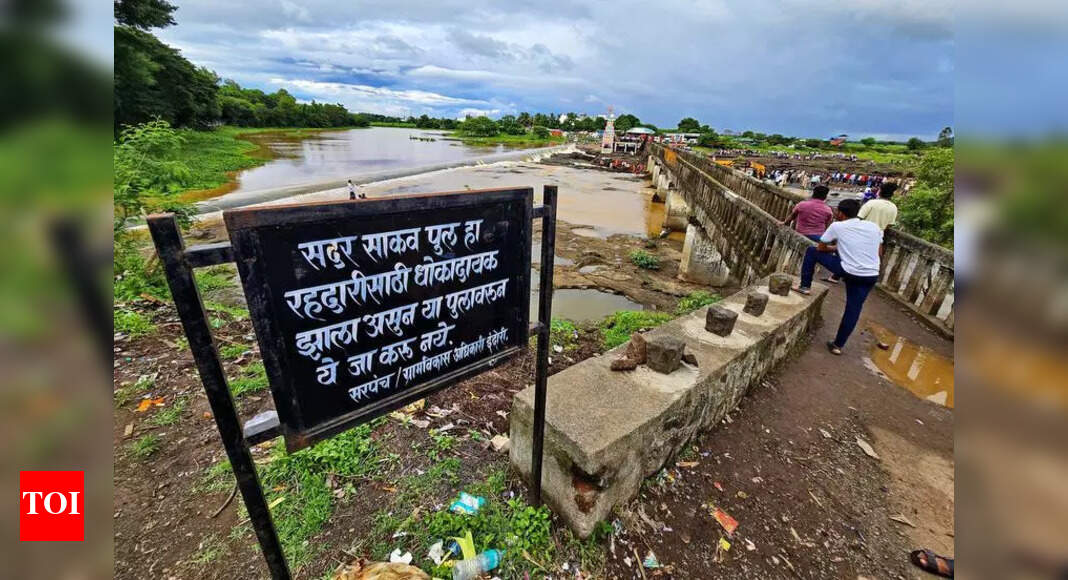
The recent bridge collapse near Talegaon, Pune, over the Indrayani river has triggered a series of responses from the Maharashtra state government and local authorities, highlighting the critical importance of infrastructure maintenance and public safety. The incident, which resulted in the tragic loss of two lives and injuries to several others, has prompted immediate inquiries into the cause of the collapse and a comprehensive structural audit of all bridges across rivers in the state. This response underscores the government's commitment to preventing similar incidents in the future and ensuring the safety of its citizens. The swift reaction from various officials, including Chief Minister Devendra Fadnavis and Deputy Chief Ministers Ajit Pawar and Eknath Shinde, demonstrates the seriousness with which the government is treating this matter. Fadnavis expressed deep sorrow over the accident and assured that he is in constant contact with relevant authorities to oversee rescue and relief efforts. Ajit Pawar described the collapse as “unfortunate and painful” and emphasized that a thorough investigation would be conducted to determine the cause, with strict action to be taken against those found responsible. Eknath Shinde, speaking from his village in Satara district, announced the immediate initiation of structural audits for all bridges across rivers, indicating a statewide effort to identify and address potential vulnerabilities. The government's immediate actions also include providing compensation to the families of the deceased and covering the medical expenses of the injured. Pune's district collector, Jitendra Dudi, confirmed that the state government has announced a compensation of Rs5 lakh each for the families of the deceased, and the district administration will fully cover the treatment expenses of the injured. This financial assistance is a crucial aspect of the government's response, providing immediate relief to those affected by the tragedy. The incident has also raised concerns about the maintenance and oversight of existing infrastructure. Initial information suggests that the collapsed bridge was in a dilapidated condition, which raises questions about the frequency and quality of inspections and repairs. Ajit Pawar specifically emphasized accountability, stating that strict action would be taken against those responsible if negligence in maintenance or structural oversight is found. This focus on accountability is essential for ensuring that responsible parties are held accountable and that systemic issues are addressed to prevent future incidents. Furthermore, the bridge collapse has prompted discussions about the need for increased vigilance at tourist locations, particularly during the monsoon season. NCP (SP) chief Sharad Pawar emphasized the importance of creating more awareness about tourist locations and increasing vigilance at such spots. He noted that many people visit monsoon tourist spots during the rainy season and stressed the need for the state government's tourism department and local district administrations to be more alert and ensure arrangements are made for tourists to safely enjoy these places. This highlights the broader issue of ensuring the safety of tourists and the public at large in areas that may be particularly vulnerable during certain seasons. The proposed structural audits of all bridges across rivers in the state represent a significant undertaking that will require substantial resources and expertise. These audits will need to assess the structural integrity of each bridge, identify any potential weaknesses or vulnerabilities, and recommend necessary repairs or replacements. The findings of these audits will be crucial for prioritizing maintenance efforts and allocating resources effectively. The government will need to ensure that the audits are conducted thoroughly and impartially and that the recommendations are implemented promptly. The inquiry into the bridge collapse will also need to be comprehensive and transparent. The investigation should examine all aspects of the incident, including the design, construction, maintenance, and inspection of the bridge. It should also identify any systemic issues that may have contributed to the collapse and recommend measures to address these issues. The findings of the inquiry should be made public to ensure transparency and accountability. The bridge collapse near Talegaon serves as a stark reminder of the importance of investing in infrastructure maintenance and ensuring public safety. It underscores the need for regular inspections, timely repairs, and proactive measures to identify and address potential vulnerabilities. The government's response to this incident, including the inquiries, structural audits, and compensation measures, demonstrates a commitment to addressing these issues and preventing similar tragedies in the future. However, the true measure of success will be the effectiveness of the implemented measures and the long-term impact on the safety and reliability of the state's infrastructure.
The collapse of the Indrayani river bridge near Talegaon, a small town in Maharashtra, is more than just an isolated incident; it is symptomatic of a larger issue concerning infrastructure management and public safety in India. Bridges, as vital arteries of transportation networks, demand meticulous maintenance and rigorous structural assessments to ensure the safety of commuters and prevent catastrophic failures. The incident has triggered a chain of reactions, from immediate rescue operations to high-level government directives, yet the underlying causes and systemic failures require deeper scrutiny. The initial response to the bridge collapse was swift, with local residents, authorities, and the National Disaster Response Force (NDRF) working together to rescue those trapped in the wreckage. The evacuation of 38 people and the provision of medical assistance to the injured demonstrated the immediate capacity of local communities and emergency services to respond to such crises. However, the loss of two lives underscores the severity of the incident and the need for proactive measures to prevent future occurrences. The political fallout from the bridge collapse has been significant, with various leaders expressing sorrow and promising swift action. Chief Minister Devendra Fadnavis’s condolences and assurance of constant communication with local authorities were followed by Deputy Chief Minister Ajit Pawar’s promise of a thorough investigation and strict action against those responsible. Deputy Chief Minister Eknath Shinde’s directive for structural audits of all bridges across the state further highlighted the government’s commitment to addressing the issue. These political pronouncements, while necessary, must be followed by concrete actions and long-term strategies to improve infrastructure management. The structural audit ordered by the government is a critical step in assessing the condition of existing bridges and identifying potential risks. This audit must be comprehensive, covering not only the visible aspects of the bridge but also the underlying structural integrity, materials used, and environmental factors that may contribute to deterioration. The audit should also consider the age of the bridge, traffic volume, and any previous repairs or modifications. The findings of the audit should be used to prioritize repairs and allocate resources effectively, ensuring that bridges in the most critical condition are addressed first. Accountability is a key element in preventing future infrastructure failures. The investigation into the bridge collapse must identify not only the immediate causes of the incident but also any systemic failures in the design, construction, or maintenance of the bridge. This includes examining the roles and responsibilities of various stakeholders, including government agencies, contractors, and consultants. If negligence or misconduct is found, those responsible must be held accountable, both through legal and administrative means. The bridge collapse also highlights the importance of regular inspections and maintenance. Bridges are subject to constant stress from traffic, weather, and environmental factors, which can lead to gradual deterioration over time. Regular inspections can identify potential problems early on, allowing for timely repairs and preventing more serious damage. Maintenance should include not only repairs to damaged components but also preventive measures to protect the bridge from further deterioration, such as painting, sealing, and drainage improvements. Public awareness and participation are also essential in preventing infrastructure failures. The public should be encouraged to report any concerns about the condition of bridges or other infrastructure, and these concerns should be investigated promptly. Local communities can also play a role in monitoring the condition of bridges and providing feedback to authorities. In addition to addressing the immediate aftermath of the bridge collapse, the government should also invest in long-term infrastructure improvements. This includes upgrading existing bridges to meet modern standards, constructing new bridges to relieve traffic congestion, and implementing advanced technologies for monitoring and maintaining infrastructure. These investments will not only improve the safety and reliability of the transportation network but also stimulate economic growth and create jobs. The bridge collapse near Talegaon is a tragic reminder of the importance of infrastructure management and public safety. By conducting thorough investigations, implementing comprehensive structural audits, holding those responsible accountable, investing in regular inspections and maintenance, and promoting public awareness and participation, the government can prevent future incidents and ensure the safety of its citizens.
The Indrayani river bridge collapse serves as a microcosm of broader challenges facing infrastructure development and maintenance in India. It is a stark reminder that while India strides towards becoming a global economic power, the foundational elements of its progress – its infrastructure – require urgent and sustained attention. The incident has brought to the forefront issues of quality control, accountability, and long-term planning that must be addressed to prevent future calamities and ensure the safety and well-being of the nation's citizens. One of the critical aspects highlighted by the bridge collapse is the need for stringent quality control measures in infrastructure projects. The initial information suggesting that the collapsed bridge was in a dilapidated condition raises serious questions about the quality of materials used, the construction techniques employed, and the oversight mechanisms in place. It is imperative that all infrastructure projects, whether bridges, roads, or buildings, adhere to the highest quality standards and undergo rigorous testing and inspection at every stage of development. This requires the establishment of independent quality control agencies with the authority to enforce standards and penalize those who fail to comply. In addition to quality control, accountability is paramount in ensuring the integrity of infrastructure projects. The investigation into the bridge collapse must identify not only the immediate causes of the incident but also any systemic failures that may have contributed to it. This includes examining the roles and responsibilities of all stakeholders, from government agencies to contractors and consultants. If negligence or misconduct is found, those responsible must be held accountable through legal and administrative means. This sends a clear message that those who compromise the safety and well-being of the public will face severe consequences. Long-term planning is also essential for effective infrastructure management. Bridges and other infrastructure assets have a limited lifespan and require regular maintenance and eventual replacement. It is crucial that governments develop long-term plans for infrastructure maintenance and renewal, including the allocation of sufficient resources to ensure that these assets are kept in good condition. This requires a shift from a reactive approach, where repairs are only carried out after a failure has occurred, to a proactive approach, where maintenance is carried out regularly to prevent failures from happening in the first place. Furthermore, the bridge collapse highlights the need for better coordination between different government agencies and departments. Infrastructure projects often involve multiple agencies, each with its own responsibilities and priorities. It is essential that these agencies work together effectively to ensure that projects are completed on time, within budget, and to the highest quality standards. This requires the establishment of clear lines of communication and coordination, as well as the development of common standards and procedures. The bridge collapse also underscores the importance of investing in research and development in the field of infrastructure. New technologies and materials are constantly being developed that can improve the durability, safety, and sustainability of infrastructure assets. It is crucial that governments invest in research and development to promote the adoption of these technologies and materials. This includes supporting research institutions, providing incentives for innovation, and creating a regulatory environment that encourages the use of new technologies. Finally, the bridge collapse highlights the need for greater public awareness and participation in infrastructure projects. The public should be informed about the status of infrastructure projects and given the opportunity to provide feedback. This can help to ensure that projects are responsive to the needs of the community and that any potential problems are identified and addressed early on. The Indrayani river bridge collapse is a wake-up call that should prompt a comprehensive review of infrastructure management practices in India. By addressing the issues of quality control, accountability, long-term planning, coordination, research and development, and public awareness, India can build a more robust and resilient infrastructure that supports its economic growth and improves the quality of life for its citizens. This requires a commitment from all stakeholders, from government agencies to contractors and the public, to work together to create a better future for India.