
 |
|
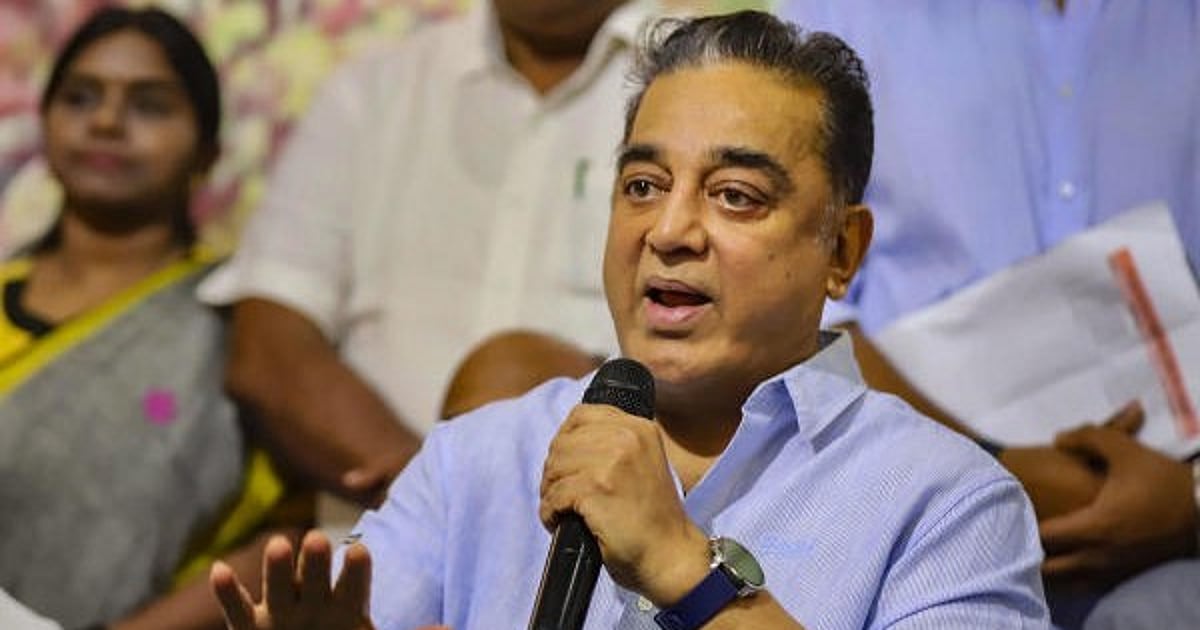
The statement made by Kamal Haasan and the subsequent need for clarification highlights the delicate socio-political landscape surrounding language and cultural identity in India, particularly concerning regional languages and their relationship to a perceived national identity. The sensitivity surrounding the perceived slight of one language against another is deeply rooted in historical and political contexts, including linguistic reorganisation of states and anxieties about cultural dominance. Haasan's initial statement, though not explicitly detailed in the article, was evidently interpreted by some as demeaning or undermining the importance of Kannada. This interpretation, regardless of Haasan's intent, underscores the power of language to evoke strong emotions and anxieties related to cultural preservation and political representation. The timing of the clarification, two days before a major film release, further emphasizes the potential impact of such controversies on a public figure's career and the success of their artistic endeavors. The fact that Haasan felt compelled to address the issue proactively suggests a calculated effort to mitigate any potential backlash or boycott that could result from misinterpretations of his initial statement. This demonstrates the increasing awareness among public figures regarding the need for sensitivity and careful consideration of language in public discourse, particularly when dealing with matters of cultural identity and linguistic pride. The assertion that his words were intended to convey unity and belonging to a shared family rather than to diminish Kannada reveals Haasan's attempt to frame his message as inclusive and respectful. However, the very need for such a clarification points to the deeply entrenched perceptions and prejudices that can colour interpretations of even seemingly innocuous statements. This incident serves as a microcosm of the larger debates surrounding linguistic diversity, cultural heritage, and the negotiation of identity in a pluralistic society. It underscores the responsibility that public figures bear in carefully considering the potential impact of their words on diverse communities and the importance of engaging in constructive dialogue to address misunderstandings and promote mutual respect. The film industry, often considered a significant cultural influencer, is particularly susceptible to these dynamics, as it relies on the patronage of diverse audiences and operates within a complex web of socio-political sensitivities. This necessitates a heightened awareness among actors and filmmakers regarding the potential for their words and actions to be interpreted through various lenses, particularly those shaped by linguistic and cultural identities. Furthermore, the reliance on a relatively brief statement to address such a complex issue can often lead to further misinterpretations and exacerbate the controversy. A more nuanced and comprehensive explanation, perhaps through a longer-form interview or public forum, might have been more effective in conveying Haasan's intended message and addressing the concerns of those who felt slighted. Ultimately, this incident highlights the ongoing need for greater understanding and sensitivity in navigating the complexities of language, culture, and identity in a diverse and interconnected world.
The core issue lies in the implicit hierarchy often perceived between languages in India. While the constitution recognizes multiple official languages, the de facto dominance of Hindi and English in certain spheres of life can lead to feelings of marginalization among speakers of other regional languages. This perceived linguistic hierarchy can then translate into anxieties about cultural erasure and economic disadvantage. Haasan's initial statement, whatever its specific content, likely tapped into these existing anxieties, leading to the interpretation that it was intended to diminish the importance of Kannada. The clarification provided by Haasan attempts to counteract this perception by emphasizing the unity and shared identity that transcends linguistic boundaries. However, such appeals to unity are often met with skepticism, particularly when they come from figures perceived to be aligned with dominant cultural or political forces. The effectiveness of Haasan's clarification will therefore depend on the extent to which he can genuinely demonstrate a commitment to promoting linguistic diversity and respecting the cultural heritage of Kannada speakers. This requires more than just a simple statement of apology; it requires concrete actions and a consistent track record of advocating for the rights and recognition of regional languages. The media plays a crucial role in shaping public perception of such controversies. The framing of the initial statement and the subsequent clarification can significantly influence how the public interprets the issue and whether they are willing to accept Haasan's explanation. Responsible journalism requires a balanced and nuanced approach, avoiding sensationalism and providing context for the controversy. This includes exploring the historical and political factors that contribute to linguistic anxieties and amplifying the voices of those who feel marginalized. The rapid spread of information through social media can also exacerbate such controversies, as rumors and misinterpretations can quickly go viral. This necessitates a proactive approach to managing public perception and addressing misinformation. Haasan's team likely recognized this and strategically timed the clarification to coincide with the film release, aiming to minimize any potential damage to the film's box office performance. The long-term implications of this incident are yet to be seen. It could serve as a catalyst for greater awareness and sensitivity regarding linguistic issues, or it could simply fade into the background as another instance of cultural misunderstanding. Ultimately, the responsibility lies with individuals and institutions to actively promote linguistic diversity and create a more inclusive and equitable society where all languages are respected and valued.
Consider the broader implications for the entertainment industry. Celebrities and public figures are increasingly under scrutiny for their words and actions, and even seemingly innocuous statements can be blown out of proportion in the age of social media. This creates a challenging environment for artists who are expected to be both creative and politically correct. The pressure to conform to certain social norms can stifle artistic expression and lead to a homogenization of cultural content. However, it also encourages artists to be more mindful of the impact of their work and to engage in more responsible and ethical practices. The rise of cancel culture further exacerbates this dynamic, as individuals can face severe repercussions for perceived missteps. While cancel culture can be seen as a form of accountability, it can also be used to silence dissent and stifle open dialogue. A more constructive approach would involve fostering a culture of forgiveness and encouraging individuals to learn from their mistakes. The entertainment industry has a responsibility to promote diverse perspectives and challenge dominant narratives. This includes creating opportunities for artists from marginalized communities and amplifying their voices. It also involves being mindful of the potential for cultural appropriation and ensuring that stories are told with respect and sensitivity. In the context of linguistic diversity, the entertainment industry can play a crucial role in promoting regional languages and showcasing the rich cultural heritage of different linguistic communities. This can be achieved through the production of films, television shows, and music that feature regional languages and cultures. It can also involve subtitling and dubbing content into regional languages to make it more accessible to a wider audience. Ultimately, the goal is to create a more inclusive and representative entertainment landscape that reflects the diversity of the Indian population. The controversy surrounding Kamal Haasan's statement highlights the importance of language as a marker of identity and a source of cultural pride. It also underscores the need for greater sensitivity and understanding in navigating the complexities of linguistic diversity. By engaging in constructive dialogue and promoting responsible practices, the entertainment industry can play a crucial role in fostering a more inclusive and equitable society where all languages are respected and valued.
The incident serves as a reminder that language is not merely a tool for communication but also a powerful symbol of identity, culture, and belonging. It highlights the need for public figures to be mindful of the potential impact of their words and actions on diverse communities and to engage in constructive dialogue to address misunderstandings and promote mutual respect. The entertainment industry, as a significant cultural influencer, has a responsibility to promote linguistic diversity and create a more inclusive and representative landscape that reflects the richness and complexity of Indian society. The path forward requires a commitment to open communication, cultural sensitivity, and a willingness to learn from mistakes. By embracing these principles, we can create a more harmonious and equitable society where all languages are valued and respected.
Source: Kamal says his statement on Kannada take out of context