
 |
|
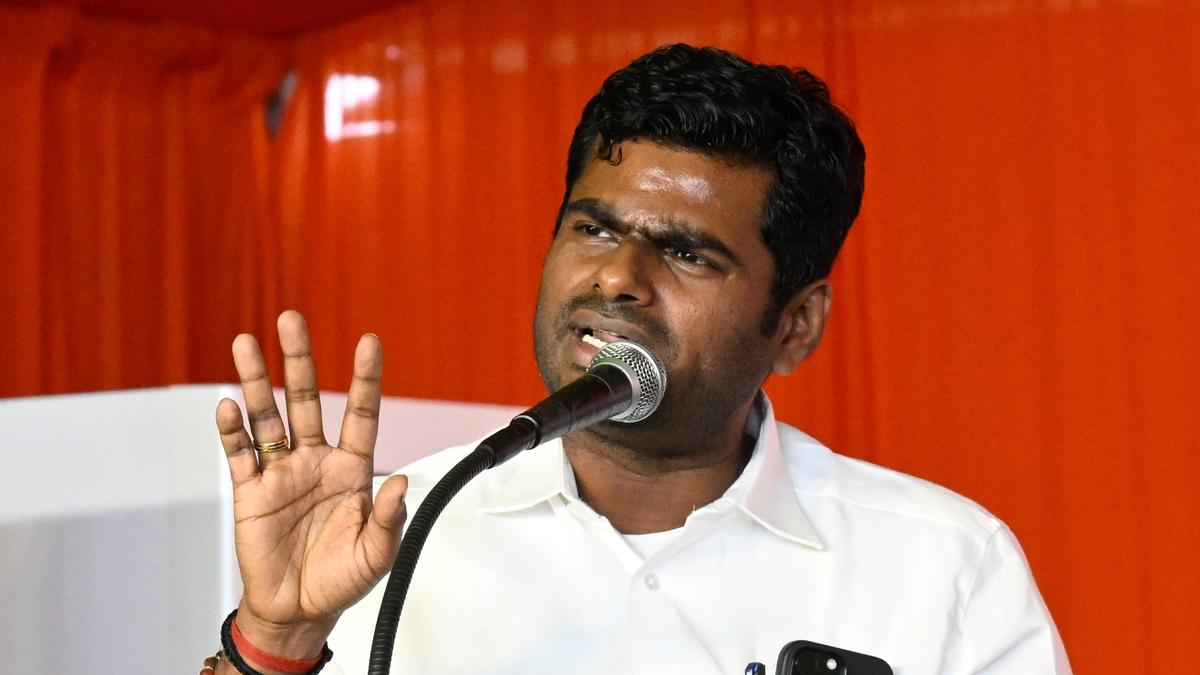
The Anna University sexual assault case has taken a new turn with allegations leveled by BJP Tamil Nadu former president K. Annamalai against the DMK government. Annamalai, in a video posted on his X handle, asserted that several questions remain unanswered concerning the case and accused the ruling DMK of attempting to shield certain individuals involved. This accusation adds a layer of political complexity to a deeply sensitive and serious crime, raising concerns about potential obstruction of justice and the integrity of the investigation. The timing of Annamalai's allegations, just a day after the Mahila Court in Chennai sentenced the accused, Gnanasekar, to life imprisonment, further intensifies the scrutiny on the DMK government's handling of the case. His threat to reveal the identities of the police officers allegedly contacted by the convict serves as a pressure tactic, demanding a swift and transparent response from the authorities. This situation highlights the intersection of law, politics, and public trust, demanding a thorough and impartial investigation to ensure justice for the victim and uphold the rule of law. The implications of these allegations could extend beyond the immediate case, potentially impacting public confidence in the judicial and law enforcement systems. The veracity of Annamalai's claims and the DMK government's response will be closely watched by the public and political observers alike.
Annamalai's claims center around the assertion that the convict, Gnanasekar, contacted a police officer and a DMK functionary after committing the crime. He claims to possess Call Detail Records (CDR) as evidence of these communications. The significance of these alleged contacts lies in the potential for collusion or attempts to influence the investigation. If proven, these contacts could indicate a deliberate effort to protect Gnanasekar from the full consequences of his actions. The nature of the communication between the convict, the police officer, and the DMK functionary is crucial. Were these casual conversations, or were they attempts to obstruct justice or tamper with evidence? Annamalai's possession of CDR data raises questions about how he obtained this information, adding another layer of complexity to the situation. The legality and ethical considerations of accessing such records must be examined. Furthermore, the accuracy and reliability of the CDR data are paramount. Independent verification of the CDR information is necessary to ensure its authenticity and prevent the spread of misinformation. The potential ramifications of these allegations are significant, potentially implicating individuals in positions of power and influence. A transparent and impartial investigation is essential to determine the truth and hold those responsible accountable.
The demand for transparency and accountability in this case is paramount. Annamalai's ultimatum, giving the State government 48 hours to respond to his questions, adds pressure to the situation. His threat to reveal the identities of the police officers allegedly involved underscores the seriousness of his allegations. The public has a right to know if there were any attempts to obstruct justice or shield the convict from the full consequences of his actions. The DMK government's response to Annamalai's allegations will be closely scrutinized. A comprehensive and transparent investigation is necessary to dispel any doubts about their commitment to justice. The investigation should be conducted by an independent body to ensure impartiality and avoid any perception of bias. The findings of the investigation should be made public, allowing the public to assess the government's handling of the case. This case serves as a reminder of the importance of ethical conduct and accountability in both law enforcement and politics. Any attempt to obstruct justice or protect those who commit heinous crimes undermines the rule of law and erodes public trust. The Anna University sexual assault case demands a thorough and impartial investigation to ensure justice for the victim and uphold the integrity of the judicial system.
The broader context of this case involves the intersection of political rivalries and the judicial process. Annamalai's accusations against the DMK government can be seen as part of a larger political struggle between the BJP and the DMK in Tamil Nadu. The use of sensitive criminal cases as political tools can be detrimental to the pursuit of justice, as it can lead to biased investigations and politically motivated outcomes. It is crucial that the investigation into the Anna University sexual assault case is conducted independently of political considerations. The focus should remain on ensuring justice for the victim and holding the perpetrators accountable, regardless of their political affiliations or connections. The media also plays a crucial role in this case. Responsible reporting is essential to ensure that the public is informed about the facts of the case without sensationalizing or misrepresenting the information. The media should avoid contributing to political polarization and focus on promoting transparency and accountability.
The sentencing of Gnanasekar to life imprisonment for a minimum period of 30 years without remission marks a significant step towards justice for the victim. However, the allegations raised by Annamalai suggest that the case may not be fully closed. The alleged involvement of police officers and a DMK functionary raises serious concerns about potential obstruction of justice and the integrity of the investigation. These allegations must be thoroughly investigated to ensure that all those responsible for the crime and any attempts to cover it up are held accountable. The Anna University sexual assault case serves as a reminder of the prevalence of sexual violence and the importance of creating a safe and supportive environment for victims to come forward and report these crimes. It also highlights the need for systemic reforms to prevent sexual violence and ensure that perpetrators are brought to justice. Educational institutions, in particular, have a responsibility to create a culture of respect and safety for their students and to provide resources and support for victims of sexual assault. The case also underscores the importance of effective law enforcement and judicial processes in ensuring that victims of sexual violence receive justice and that perpetrators are held accountable for their actions.
The legal framework surrounding sexual assault cases in India is designed to protect victims and punish perpetrators. However, the implementation of these laws is often hindered by societal attitudes, bureaucratic inefficiencies, and political interference. The Anna University sexual assault case highlights the challenges in ensuring that justice is served in cases of sexual violence. The allegations of police involvement and political interference raise concerns about the integrity of the investigation and the potential for obstruction of justice. To address these challenges, it is essential to strengthen the legal framework, improve law enforcement practices, and promote a culture of respect and accountability. Law enforcement agencies must be trained to handle sexual assault cases with sensitivity and professionalism. The judicial system must be reformed to ensure that cases are processed efficiently and that victims receive timely justice. Society must challenge the attitudes and beliefs that contribute to sexual violence and create a safe and supportive environment for victims to come forward. The Anna University sexual assault case is a stark reminder of the work that remains to be done to ensure that justice is served in cases of sexual violence and that victims receive the support and protection they deserve.
In conclusion, the Anna University sexual assault case has become a complex and politically charged issue. Annamalai's allegations against the DMK government have raised serious questions about potential obstruction of justice and the integrity of the investigation. The demand for transparency and accountability is paramount. A thorough and impartial investigation is necessary to ensure that justice is served for the victim and that all those responsible for the crime and any attempts to cover it up are held accountable. The case also highlights the broader challenges in addressing sexual violence in India, including the need for systemic reforms, improved law enforcement practices, and a cultural shift towards respect and accountability. The outcome of this case will have significant implications for public trust in the judicial and law enforcement systems and for the pursuit of justice in cases of sexual violence.