
 |
|
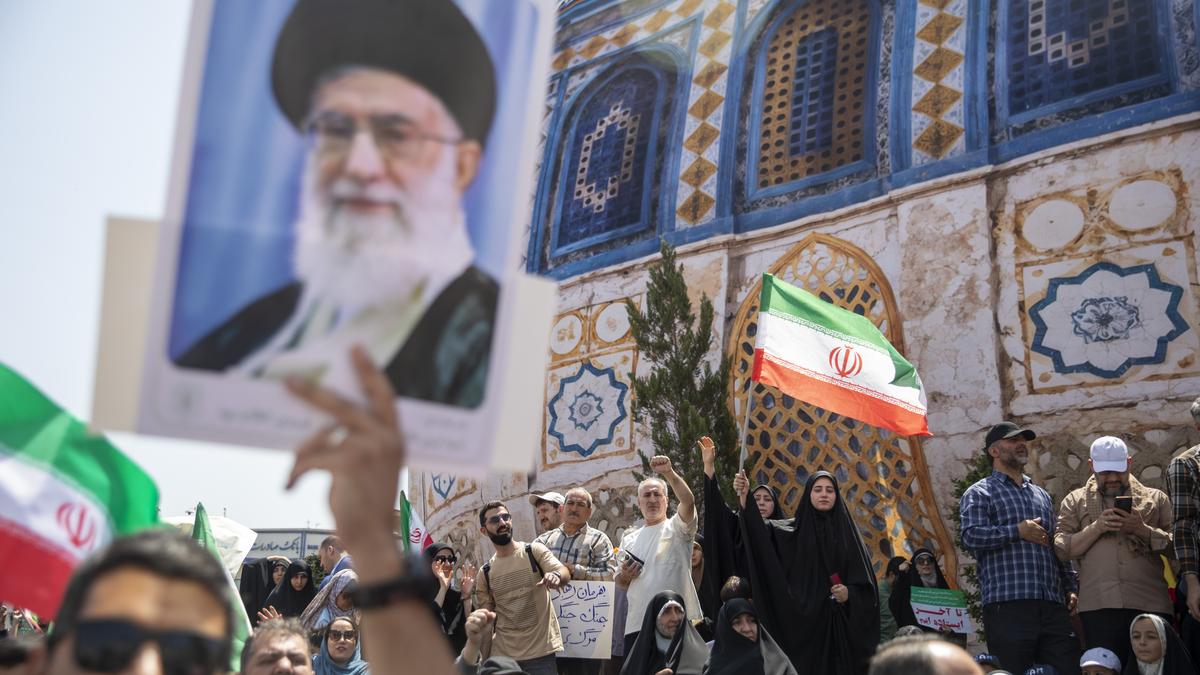
The escalating conflict between Israel and Iran, erupting in June 2025, presents a complex geopolitical challenge demanding immediate and sustained international attention. The initial exchange of strikes, occurring a week into the declared war, highlights the volatility and potential for rapid escalation in the region. The stakes are further amplified by the possible involvement of the United States, with President Trump considering military intervention in support of Israel. This scenario raises critical questions about the broader implications for regional stability and the potential for a wider conflict involving multiple global powers. The meeting of key European ministers with Iran’s top diplomat in Geneva underscores the urgency of de-escalation efforts. However, the lack of an immediate breakthrough after four hours of face-to-face negotiations paints a bleak picture of the current diplomatic landscape. The entrenched positions of both sides, coupled with the potential for miscalculation or accidental escalation, necessitate a comprehensive and nuanced approach to conflict resolution. The United States' potential involvement is particularly sensitive, given its historical relationship with both Israel and Iran. Direct military action against Iran, even targeting specific facilities like the Fordo uranium enrichment site, could be perceived as a significant escalation by Tehran, potentially triggering retaliatory measures and further destabilizing the region. The decision by President Trump to delay a decision on military intervention for up to two weeks provides a window of opportunity for intensified diplomatic efforts. However, the delay also introduces an element of uncertainty, as both Israel and Iran may interpret the hesitation as a sign of weakness or indecision, potentially leading to more aggressive actions on the ground. Prime Minister Netanyahu's statement that Israel's military operation in Iran will continue 'for as long as it takes' to eliminate the perceived existential threat of Iran's nuclear program and ballistic missile arsenal underscores the deep-seated animosity and distrust between the two countries. This uncompromising stance suggests that Israel is prepared to pursue its objectives unilaterally, even without the direct support of the United States. This could further complicate diplomatic efforts and increase the risk of miscalculation. Iran's willingness to 'consider diplomacy' only after Israel's 'aggression is stopped' further illustrates the entrenched positions and the difficulty of finding common ground. This demand effectively places the onus on Israel to de-escalate first, which is unlikely to occur given Netanyahu's firm commitment to continuing military operations. The complexities of the situation are compounded by the involvement of multiple international actors, each with their own strategic interests and priorities. European powers, for example, have a vested interest in maintaining stability in the region and preventing a wider conflict that could disrupt trade and energy flows. They also have a long history of engagement with Iran and are keen to preserve the possibility of a negotiated settlement. The United States, on the other hand, has a strong security alliance with Israel and a long-standing policy of preventing Iran from developing nuclear weapons. This creates a delicate balancing act, as Washington seeks to protect its own interests while also avoiding a wider conflict that could have catastrophic consequences. The conflict between Israel and Iran is not simply a bilateral dispute. It is a complex geopolitical struggle with deep historical roots and multiple layers of regional and international involvement. The path to de-escalation and a lasting peace will require a comprehensive and nuanced approach, involving sustained diplomatic efforts, a willingness to compromise, and a recognition of the legitimate security concerns of all parties involved. Failure to address these underlying issues could lead to a protracted conflict with devastating consequences for the region and the world.
The Fordo uranium enrichment facility represents a critical strategic asset for Iran and a major point of contention in the ongoing conflict. Its location deep underground makes it highly resistant to conventional air strikes, requiring specialized 'bunker-buster' bombs for effective neutralization. The potential use of such weapons by the United States raises serious concerns about escalation and the potential for civilian casualties. The facility is not only a symbol of Iran's nuclear ambitions but also a vital component of its energy and technological infrastructure. Any attack on the facility would likely be met with strong resistance and could trigger retaliatory measures against U.S. interests in the region. The involvement of the United States in the conflict is further complicated by the domestic political landscape. President Trump's decision-making process is likely to be influenced by a variety of factors, including his own personal beliefs, the advice of his advisors, and the political pressure from Congress and the public. A decision to intervene militarily could be met with strong opposition from some quarters, while others may argue that it is necessary to protect U.S. interests and prevent Iran from developing nuclear weapons. The diplomatic efforts to de-escalate the conflict are also hampered by the lack of trust and communication between the parties involved. Years of mutual hostility and mistrust have created a deep-seated sense of animosity that makes it difficult to find common ground. The use of inflammatory rhetoric and the spread of misinformation further exacerbate the situation and make it harder to build confidence and cooperation. The conflict between Israel and Iran is also fueled by a complex web of regional rivalries and proxy wars. Both countries are engaged in a struggle for influence in the Middle East, supporting different sides in conflicts in Syria, Yemen, and other countries. These proxy conflicts further complicate the situation and make it harder to achieve a lasting peace. The international community has a responsibility to address these underlying issues and to work towards a comprehensive solution that addresses the root causes of the conflict. This will require a sustained commitment to diplomacy, a willingness to challenge entrenched positions, and a recognition of the legitimate security concerns of all parties involved. The alternative is a protracted conflict that could have devastating consequences for the region and the world.
The media coverage of the conflict also plays a significant role in shaping public opinion and influencing political decision-making. The way in which the conflict is portrayed can have a profound impact on the willingness of the public to support military intervention or diplomatic efforts. The use of emotionally charged language and the selective presentation of facts can further inflame tensions and make it harder to find common ground. It is important for the media to provide accurate and unbiased coverage of the conflict, presenting all sides of the story and avoiding the use of inflammatory rhetoric. This will help to create a more informed public discourse and make it easier to find a peaceful resolution. The role of international organizations, such as the United Nations, is also crucial in de-escalating the conflict and promoting a peaceful resolution. The UN can provide a forum for dialogue and negotiation, and it can also deploy peacekeeping forces to help stabilize the situation on the ground. However, the effectiveness of the UN is often limited by the lack of consensus among its member states and by the veto power of the permanent members of the Security Council. Despite these challenges, the UN remains an important actor in the international effort to resolve the conflict. The conflict between Israel and Iran is a complex and multifaceted issue that requires a comprehensive and nuanced approach. There are no easy solutions, and the path to peace will be long and difficult. However, the alternative is a protracted conflict that could have devastating consequences for the region and the world. It is therefore imperative that all parties involved work together to find a peaceful resolution, based on mutual respect, understanding, and a willingness to compromise. This will require a sustained commitment to diplomacy, a willingness to challenge entrenched positions, and a recognition of the legitimate security concerns of all parties involved. Only then can we hope to build a more peaceful and stable future for the Middle East.
Source: Israel-Iran conflict LIVE: Israel strikes military infrastructure in southwest Iran