
 |
|
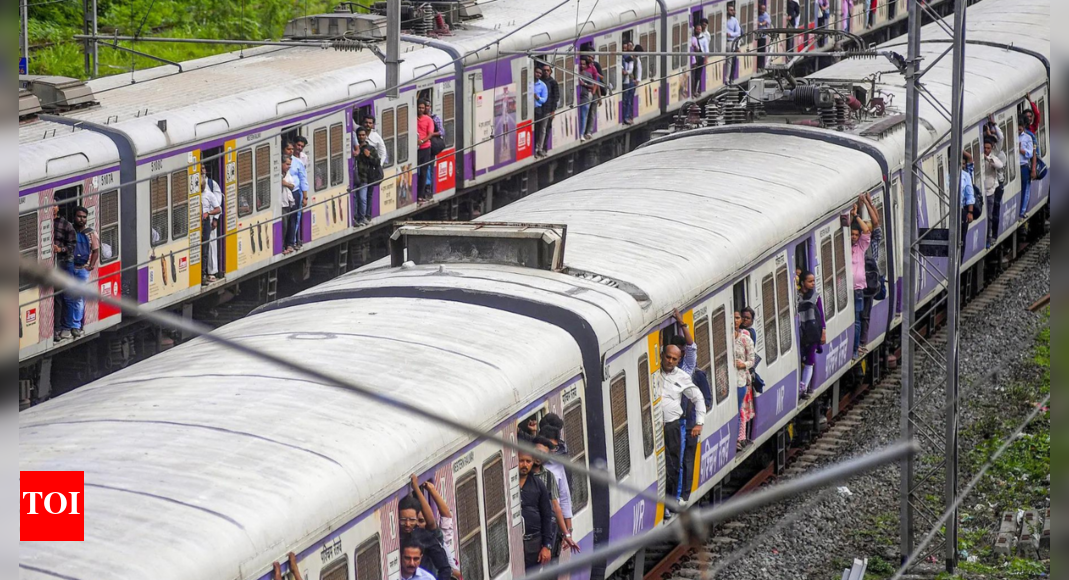
The tragic incident at Mumbra station, resulting in the deaths of four commuters and injuries to nine others, underscores the persistent dangers and systemic issues plaguing Mumbai's suburban railway network. The horrifying event, characterized by passengers falling off overcrowded trains traveling in opposite directions, immediately sparked a flurry of speculation regarding the underlying causes. While railway officials have initiated an investigation, the preliminary explanations offered by various sources, ranging from commuter activists to eyewitnesses, paint a grim picture of a system struggling to cope with the sheer volume of passengers, compounded by infrastructure limitations and potential safety lapses. The incident demands a comprehensive and transparent inquiry, not only to determine the precise sequence of events that led to the fatalities and injuries but also to identify and address the root causes that contribute to such tragedies. Overcrowding, a chronic problem on Mumbai's local trains, is frequently cited as a major factor in accidents and near-misses. The relentless pressure inside the compartments, especially during peak hours, forces many commuters to travel precariously on the footboards, risking their lives with every journey. The speculation about the platform curve at Mumbra station exacerbating the situation further highlights the need for a thorough assessment of the railway infrastructure and its ability to safely accommodate the ever-increasing passenger load. The reported presence of scratch marks on the exterior of one of the involved trains raises additional questions about the possibility of collisions or other contributing factors that may have been overlooked. The railway official's statement that such an incident is “unheard-of” in Mumbai’s suburban system, while perhaps intended to reassure the public, rings hollow in the face of the recurring accidents and fatalities that plague the network. The incident at Mumbra is not an isolated event but rather a symptom of a deeper malaise within the railway system. The sheer number of casualties, the conflicting accounts of the incident, and the initial uncertainty surrounding the sequence of events all point to a systemic failure in ensuring passenger safety. The response from the authorities, including the announcement of compensation for the victims' families and the promise of an investigation, is a standard procedure in such cases. However, these measures alone are insufficient to address the underlying problems. What is needed is a comprehensive and long-term strategy that prioritizes passenger safety, addresses the issue of overcrowding, upgrades the railway infrastructure, and ensures accountability at all levels. The Central Railway's plan to introduce non-AC locals with automatic door closure and enhanced ventilation features by 2026 is a step in the right direction, but its implementation must be accelerated and accompanied by other measures to improve passenger safety. The parallel initiative to procure AC locals, while welcome, should not be seen as a panacea. AC locals are more expensive and cater to a different segment of the commuting population. The focus should be on improving the safety and reliability of the entire railway network, regardless of the type of train. The cancellation of tenders for AC rakes two years ago due to “administrative reasons” raises questions about the efficiency and transparency of the procurement process. The railways need to streamline their procedures and ensure that projects aimed at improving passenger safety are not delayed or abandoned due to bureaucratic hurdles. The commuters' accounts of the incident, particularly the description of the horrific scene at Mumbra station and the desperate attempts to stop the train after someone fell, paint a vivid picture of the chaos and trauma that unfolded. These eyewitness testimonies should be carefully considered during the investigation to gain a better understanding of the events that transpired and to identify any potential shortcomings in the emergency response. The fact that commuters immediately jumped onto the tracks to help the injured underscores the sense of community and resilience that exists among Mumbai's commuters. However, it also highlights the lack of adequate emergency response protocols and the reliance on ordinary citizens to provide assistance in critical situations. The railways need to improve their emergency response capabilities and ensure that trained personnel are available to provide immediate assistance in the event of an accident. The incident at Mumbra station has once again brought the issue of railway safety to the forefront. It is a stark reminder of the risks that commuters face every day while traveling on Mumbai's local trains. The authorities must take urgent and decisive action to address the underlying problems and ensure that such tragedies are not repeated. This includes investing in infrastructure upgrades, improving passenger safety measures, addressing the issue of overcrowding, and ensuring accountability at all levels. Only through a comprehensive and sustained effort can the railways restore public confidence and ensure the safety of millions of commuters who rely on them every day.
The statements from various stakeholders provide further insight into the complexities of the situation. The railway official's admission that the gap between two passing trains is only 2 meters (6.5 feet) and that a person would have to be hanging out by 3.5 feet to be hit by a passenger from the opposite train highlights the narrow margin for error and the precariousness of traveling on the footboards. This statement, intended to explain the baffling nature of the incident, inadvertently underscores the inherent dangers of overcrowding and the potential for even minor movements to have catastrophic consequences. The commuter activist's theory about the sharp curve at Mumbra station causing the load to shift and making it difficult for footboard travelers to hold on is another plausible explanation that warrants further investigation. The platform curve, combined with overcrowding, could have created a perfect storm, making it virtually impossible for commuters to maintain their balance and prevent falls. The Chief Minister's announcement of an investigation and the State Minister's promise of compensation are standard responses in such situations. However, these measures should not be seen as a substitute for concrete action to address the underlying problems. The investigation must be thorough and transparent, and its findings must be made public. The compensation should be provided promptly and fairly to the victims' families and the injured. The railway policeman who was among the deceased highlights the risks that even law enforcement personnel face while commuting on Mumbai's local trains. His death is a tragic reminder that no one is immune to the dangers of the railway system. The identification of the other deceased and injured commuters, along with their ages and places of residence, adds a human dimension to the tragedy. These were ordinary people going about their daily lives, and their deaths and injuries are a profound loss for their families and communities. The incident at Mumbra station has triggered a wave of outrage and condemnation from commuters and activists. Many are demanding immediate action to improve railway safety and prevent future tragedies. Some are calling for stricter enforcement of regulations against overcrowding, while others are advocating for more investment in infrastructure upgrades. The railways need to listen to these concerns and take them seriously. The voices of the commuters are essential to shaping a safer and more reliable railway system. The incident at Mumbra station is a wake-up call for the railways and the government. It is a reminder that passenger safety must be the top priority and that no effort should be spared to prevent such tragedies from happening again. The railways need to embrace a culture of safety and accountability, and they need to work collaboratively with commuters and activists to find solutions to the problems plaguing the system. The challenges facing Mumbai's suburban railway network are complex and multifaceted, but they are not insurmountable. With the right policies, investments, and leadership, the railways can transform the system into a safe, reliable, and efficient mode of transportation for millions of commuters.
The long-term solutions to the railway safety crisis in Mumbai require a multi-pronged approach that addresses the underlying causes of overcrowding, infrastructure deficiencies, and systemic inefficiencies. Firstly, tackling overcrowding requires a combination of increasing train frequency, expanding the carrying capacity of trains, and improving crowd management strategies. Increasing train frequency during peak hours can help to reduce the pressure on individual trains and make it easier for commuters to board and alight safely. Expanding the carrying capacity of trains can be achieved by introducing longer trains with more coaches or by deploying double-decker trains. Crowd management strategies, such as platform management systems and designated boarding areas, can help to prevent overcrowding and ensure a smoother flow of passengers. Secondly, upgrading the railway infrastructure is essential to improve safety and reliability. This includes modernizing the signaling system, replacing aging tracks and rolling stock, and improving the condition of platforms and stations. A modern signaling system can help to prevent collisions and reduce delays. Replacing aging tracks and rolling stock can improve the ride quality and reduce the risk of derailments. Improving the condition of platforms and stations can enhance passenger safety and comfort. Thirdly, addressing systemic inefficiencies requires streamlining the procurement process, improving coordination between different railway departments, and enhancing accountability at all levels. Streamlining the procurement process can help to expedite projects aimed at improving passenger safety and reducing delays. Improving coordination between different railway departments can ensure a more efficient and integrated approach to railway management. Enhancing accountability at all levels can help to prevent negligence and ensure that safety standards are maintained. In addition to these technical solutions, there is also a need to change the culture within the railways to prioritize safety above all else. This requires providing adequate training to railway employees, empowering them to report safety concerns, and holding them accountable for their actions. It also requires fostering a sense of shared responsibility for safety among all stakeholders, including commuters, activists, and the government. The incident at Mumbra station is a tragedy that should never have happened. It is a reminder that the safety of millions of commuters who rely on Mumbai's local trains must be the top priority. The railways and the government must take urgent and decisive action to address the underlying problems and ensure that such tragedies are not repeated. The solutions are available, but they require the political will, financial resources, and managerial expertise to implement effectively. The time for action is now.