
 |
|
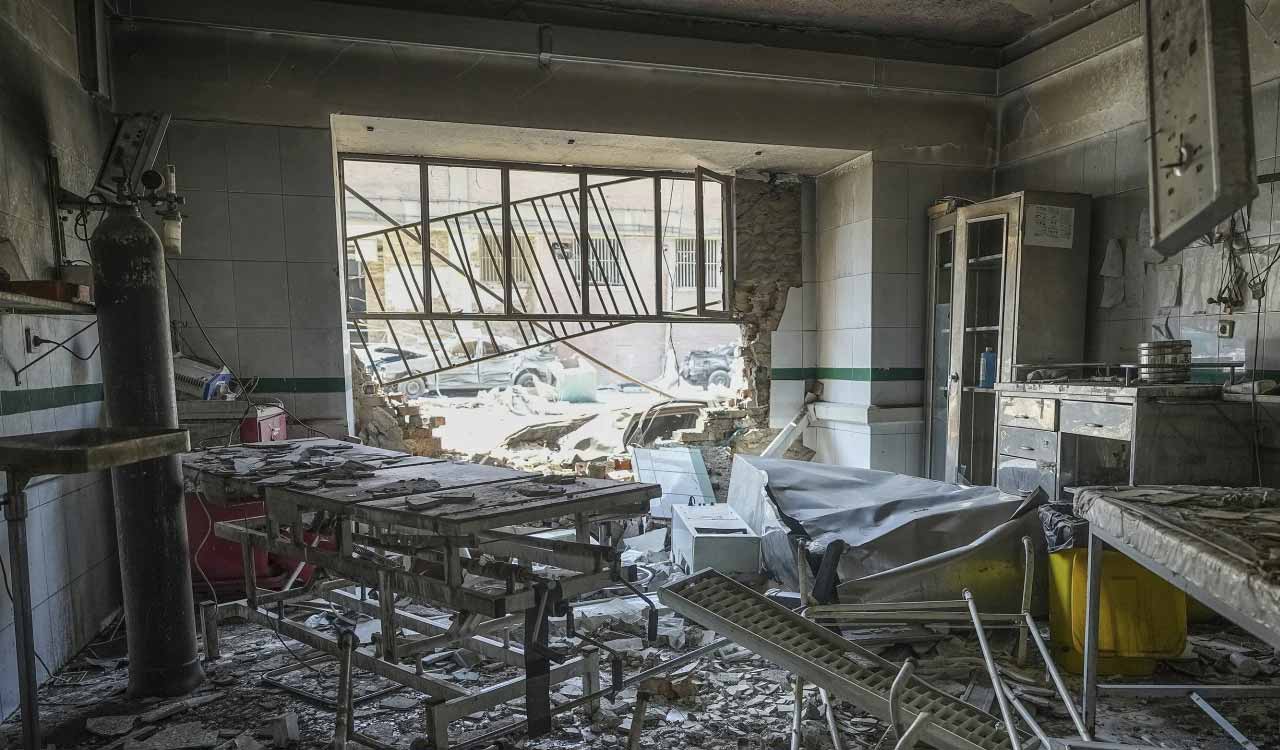
The escalating tensions between Israel and Iran have taken a concerning turn with the recent Israeli missile strike on Iran's Evin Prison, a facility notorious for housing political dissidents. This attack, purportedly aimed at 'repressive authorities,' has not only resulted in significant casualties but has also ignited widespread fear and apprehension regarding the safety and well-being of political prisoners within Iran. The immediate aftermath of the strike witnessed the transfer of prisoners, including Iranian dissident Sayeh Seydal, to other, often overcrowded and notoriously harsh, prisons. Seydal's desperate plea from her new confinement paints a grim picture of deteriorating conditions, describing her situation as 'a slow death.' This incident raises critical questions about the proportionality of the attack, the potential targeting of civilian infrastructure, and the wider implications for human rights within Iran. The timing of the strike, amidst Israel's broader campaign to cripple Iran's nuclear program, further complicates the situation. Many fear that the Iranian government, feeling vulnerable and under siege, will likely intensify its crackdown on political opponents, silencing dissent and further restricting fundamental freedoms. The concerns expressed by activists regarding a potential crackdown are further substantiated by reports of increased security forces presence in Tehran and the families of those in solitary confinement or under interrogation being unable to contact their loved ones a week after the attack. The incident also highlights the fragile state of civil society in Iran and the vulnerability of movements advocating for democracy and human rights. Nobel Peace Prize laureate Narges Mohammadi's message, delivered from Tehran, underscores the importance of strengthening civil society as a pathway to democracy, while lamenting the weakening effect of war on these vital tools. The international community must closely monitor the situation in Iran, condemn any human rights violations, and pressure the Iranian government to uphold its obligations under international law. The focus should be on ensuring the safety and humane treatment of all prisoners, particularly those detained for political reasons. Additionally, efforts to de-escalate tensions between Israel and Iran are crucial to prevent further violence and protect the fundamental rights of all individuals. The international media also has a responsibility to provide accurate and unbiased reporting on the situation, amplifying the voices of those affected and holding all parties accountable for their actions. This event serves as a stark reminder of the human cost of conflict and the importance of prioritizing diplomacy and peaceful resolutions in international relations. The ongoing conflict between Israel and Iran carries the risk of spiraling into a larger regional conflict, with devastating consequences for the entire region. The protection of human rights, the promotion of democracy, and the pursuit of peaceful solutions must remain at the forefront of international efforts to address the challenges facing Iran and the wider Middle East.
The broader context of the Israeli-Iranian conflict necessitates a deeper understanding of the underlying drivers and motivations fueling the antagonism. Israel perceives Iran's nuclear program as an existential threat, viewing it as a potential tool for Iran to develop nuclear weapons that could be used against Israel. Israel's repeated strikes on Iranian nuclear facilities, including the recent attack on the Evin Prison, are thus framed as acts of self-defense aimed at preventing Iran from acquiring nuclear weapons capability. Iran, on the other hand, maintains that its nuclear program is solely for peaceful purposes, such as generating electricity and medical research. Iran accuses Israel of being a destabilizing force in the region and views Israel's military actions as acts of aggression. The conflict between Israel and Iran is also intertwined with broader geopolitical rivalries in the Middle East, particularly the conflict between Sunni and Shia powers. Iran, a predominantly Shia country, has been accused of supporting Shia militias and groups in the region, while Israel has close ties with Sunni Arab countries such as Saudi Arabia. The conflict between Israel and Iran is also fueled by historical grievances and mutual distrust. The two countries have a long history of animosity, dating back to the Iranian Revolution in 1979. Since then, Israel and Iran have engaged in a proxy war, supporting opposing sides in conflicts throughout the region. The recent Israeli strike on the Evin Prison underscores the dangers of escalation in the Israeli-Iranian conflict. The attack on a prison facility, which resulted in the deaths of civilians, has raised serious concerns about the proportionality of the attack and the targeting of civilian infrastructure. The attack also carries the risk of sparking a retaliatory response from Iran, which could further escalate the conflict. The international community must act decisively to de-escalate tensions between Israel and Iran and prevent further violence. Diplomatic efforts should be intensified to find a peaceful solution to the Israeli-Iranian conflict, based on mutual respect and the recognition of each country's legitimate security concerns. All parties should refrain from taking any actions that could further escalate the conflict. A comprehensive approach to the Israeli-Iranian conflict requires addressing the underlying drivers of the conflict, including the nuclear issue, regional rivalries, and historical grievances.
The immediate aftermath of the Evin Prison strike has exacerbated the already dire situation for political prisoners in Iran. The transfers to other prisons, characterized by overcrowding and deplorable conditions, have heightened concerns about their physical and psychological well-being. Reports of inadequate medical care, limited access to sanitation, and restricted contact with family members paint a bleak picture of their daily lives. The families of political prisoners are facing immense challenges, struggling to obtain information about their loved ones and navigating a complex and opaque legal system. Many families have been denied access to their relatives, leaving them in a state of anguish and uncertainty. The Iranian government's response to the strike and the subsequent crackdown on dissent have further eroded the space for civil society and human rights activism. Journalists, human rights defenders, and lawyers who attempt to report on the situation or provide legal assistance to political prisoners are facing increasing harassment, intimidation, and arbitrary detention. The international community must step up its efforts to support political prisoners in Iran and their families. Governments, international organizations, and civil society groups should work together to advocate for their release, monitor their treatment, and provide them with humanitarian assistance. The United Nations should appoint a special rapporteur on the situation of human rights in Iran to investigate abuses and hold perpetrators accountable. International pressure on the Iranian government is crucial to ensure that it respects the rights of political prisoners and upholds its obligations under international law. The focus should be on ensuring that all prisoners are treated humanely, provided with adequate medical care, and allowed regular contact with their families. The international community should also support Iranian civil society organizations that are working to protect human rights and promote democracy. These organizations play a vital role in monitoring human rights abuses, providing legal assistance to victims, and raising awareness about the situation in Iran. A coordinated and sustained international effort is essential to protect political prisoners in Iran and promote respect for human rights and the rule of law.
Source: Israel’s missile strike on Iran’s Evin prison sparks fear for political prisoners