
 |
|
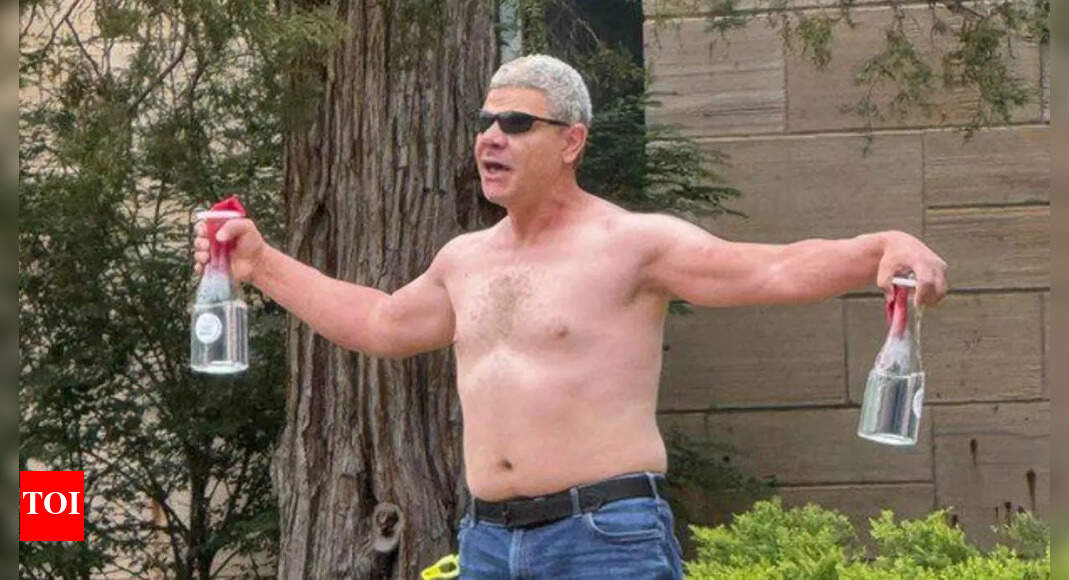
The article details a disturbing incident in Colorado where Mohamed Sabry Soliman allegedly targeted a Jewish crowd with a flamethrower and Molotov cocktails. The attack resulted in injuries to eight people, all aged between 52 and 88, who were subsequently hospitalized. According to an eyewitness account, Soliman shouted, "F**k you zionist. You're killing my people so I kill you," indicating a potential motive rooted in antisemitism and possibly related to the Israeli-Palestinian conflict. The use of violent language and the targeting of a specific group based on their perceived affiliation is deeply troubling and highlights the dangers of extremism and hate-fueled ideologies. The fact that the attacker used a flamethrower and Molotov cocktails demonstrates a clear intent to cause significant harm and terror. The age range of the victims further underscores the vulnerability of certain segments of the population to such acts of violence. The immediate aftermath of the attack has been marked by controversy surrounding the accurate identification of the suspect. Initial reports allegedly misidentified Soliman as a white man, leading to accusations of bias and misrepresentation. The subsequent identification of Soliman as an Egyptian national who had overstayed his visa has further fueled political debates about immigration and national security. Republicans have criticized Democrats for referring to Soliman as a "Colorado man," while conservative commentators like Laura Loomer have criticized both parties for failing to explicitly label Soliman as an "Islamic terrorist." Loomer has also called for the denial of educational opportunities for Soliman's daughter, who recently graduated high school and has been accepted to multiple universities in Colorado. This raises complex ethical questions about the extent to which family members should be held accountable for the actions of their relatives, particularly in cases involving terrorism or other violent crimes. The article also reveals details about Soliman's background and potential motivations. Loomer suggests that Soliman's support for the Palestinian movement and his possible affiliation with the Muslim Brotherhood may have contributed to his radicalization. She describes him as a "Muslim Brotherhood terrorist" and suggests that he may have left Egypt to avoid persecution by the government, which has cracked down on the organization. However, it is important to note that these claims are based on Loomer's interpretation and should be treated with caution. A thorough investigation is needed to determine the extent to which Soliman was involved with any extremist groups or ideologies. The article provides a glimpse into the events leading up to the attack. Witnesses reported that Soliman arrived in the area around 1 pm and lingered there for some time. He was wearing a utility vest and carrying a garden sprayer filled with gasoline, which initially led people to believe that he was a gardener. This element of disguise highlights the premeditated nature of the attack and the effort that Soliman took to conceal his intentions. The fact that Soliman's vest and shirt caught fire during the attack suggests that he may have been inexperienced in handling flammable materials. This could indicate that the attack was hastily planned or that Soliman lacked the necessary training to carry out his plan effectively. The article concludes by mentioning that Soliman was taken to a hospital for treatment of burns he sustained to his hands during the attack. This suggests that he was apprehended by law enforcement shortly after the incident. The investigation into the attack is ongoing, and it is likely that more details will emerge in the coming days and weeks. It is crucial to ensure that the investigation is conducted thoroughly and impartially, and that all relevant evidence is gathered and analyzed. The goal should be to determine the full extent of Soliman's involvement in the attack, his motivations, and any potential connections to extremist groups or ideologies.
The incident described in the article is not an isolated event, but rather a symptom of a larger problem of rising extremism and hate speech in society. Antisemitism, in particular, has been on the rise in recent years, both in the United States and around the world. This trend is fueled by a variety of factors, including the spread of misinformation and conspiracy theories online, the increasing polarization of political discourse, and the normalization of hate speech in certain segments of the media. The attack in Colorado serves as a stark reminder of the potential consequences of this trend. It is essential to take proactive steps to combat antisemitism and other forms of hate speech, both online and offline. This includes educating people about the dangers of extremism, promoting tolerance and understanding, and holding perpetrators of hate crimes accountable for their actions. Law enforcement agencies also need to be vigilant in monitoring and investigating potential threats, and working with community organizations to prevent future attacks. The politicization of the attack, as evidenced by the debates over Soliman's identity and motivations, is also concerning. It is important to avoid making generalizations about entire groups of people based on the actions of a single individual. The focus should be on holding Soliman accountable for his crimes and ensuring that justice is served. Furthermore, it is crucial to resist the temptation to exploit the attack for political gain. The tragedy should not be used to promote divisive rhetoric or to further partisan agendas. Instead, it should serve as an opportunity for people to come together and reaffirm their commitment to tolerance, understanding, and respect for all. The response to the attack should also take into account the needs of the victims and their families. They have suffered a traumatic experience and deserve support and compassion. Mental health services should be readily available to those who have been affected by the attack, and efforts should be made to ensure that they feel safe and secure. The local community also needs to come together to support the victims and to rebuild trust. This can be achieved through community events, interfaith dialogues, and other initiatives that promote understanding and reconciliation. It is also important to address the underlying issues that may have contributed to the attack, such as poverty, social isolation, and lack of educational opportunities. By addressing these issues, it may be possible to prevent future acts of violence and to create a more inclusive and equitable society.
The article raises several important questions about the role of social media in promoting extremism and violence. The internet has made it easier than ever for people to connect with others who share their views, regardless of how extreme or hateful those views may be. Social media platforms can be used to spread misinformation, conspiracy theories, and hate speech, which can contribute to the radicalization of individuals and the incitement of violence. Social media companies have a responsibility to take proactive steps to combat the spread of extremism on their platforms. This includes removing hate speech, banning users who violate their terms of service, and working with law enforcement agencies to identify and track potential threats. However, it is also important to protect freedom of speech and to avoid censorship. Striking the right balance between these competing interests is a complex challenge. Another important question raised by the article is the role of mental health in acts of violence. While it is important to avoid stigmatizing people with mental illness, it is also important to recognize that some individuals with mental health problems may be more likely to engage in violent behavior. Mental health services should be readily available to those who need them, and efforts should be made to identify and treat individuals who are at risk of violence. The article also highlights the importance of community involvement in preventing extremism. Local communities can play a crucial role in identifying and addressing potential threats, and in providing support to individuals who are at risk of radicalization. Community organizations, faith-based groups, and schools can all work together to promote tolerance, understanding, and respect for all. Ultimately, preventing extremism requires a multifaceted approach that involves government agencies, law enforcement, social media companies, community organizations, and individual citizens. By working together, it may be possible to create a safer and more inclusive society for all. In conclusion, the article provides a disturbing account of a violent attack that appears to have been motivated by antisemitism. The attack has sparked controversy and debate about immigration, national security, and the role of extremism in society. It is essential to respond to the attack in a way that is both just and compassionate, and that addresses the underlying issues that may have contributed to the violence. By working together, it may be possible to prevent future attacks and to create a more tolerant and inclusive society for all.