
 |
|
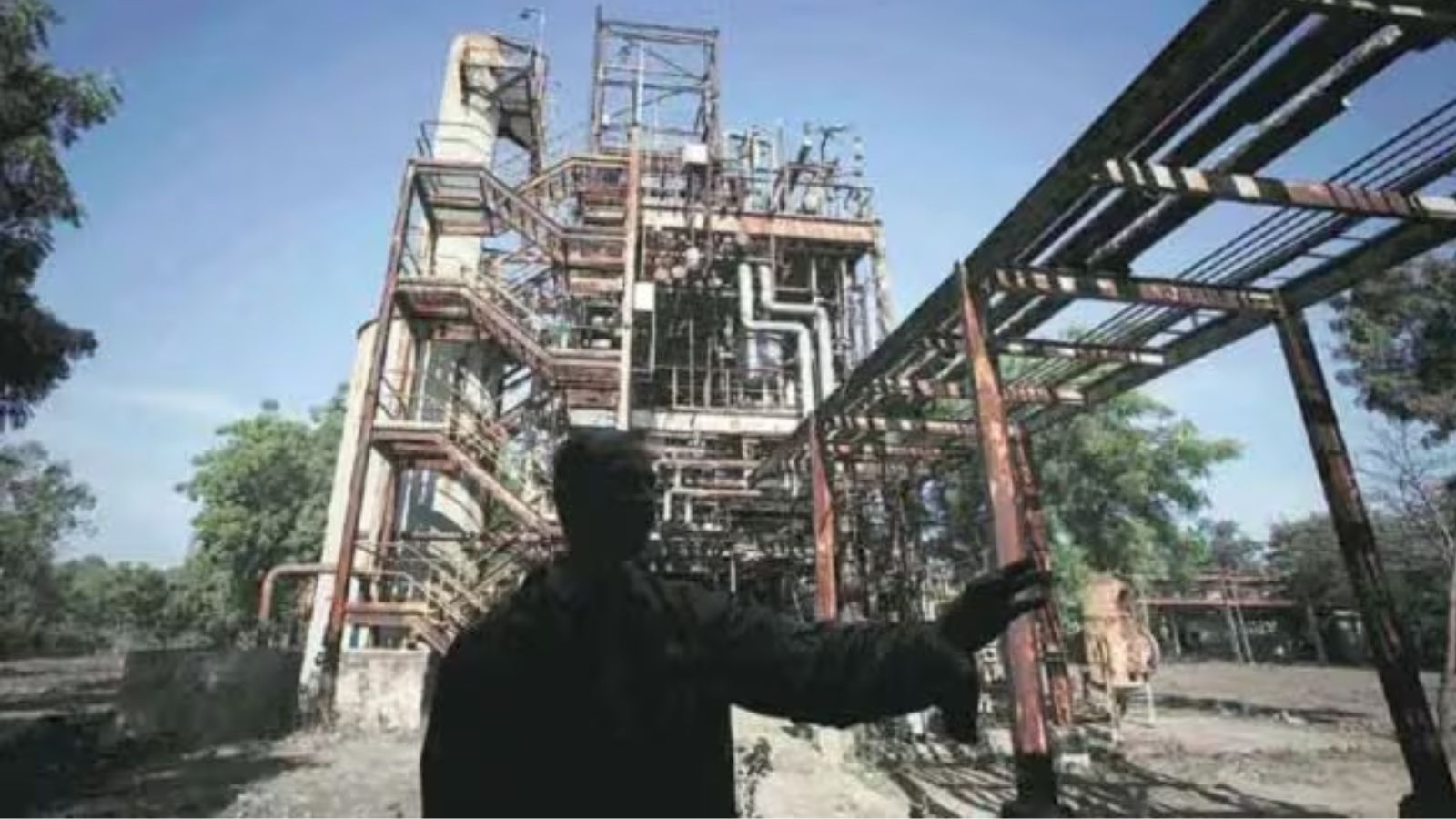
The culmination of a decades-long struggle to address the environmental legacy of the Bhopal gas tragedy has arrived, with officials announcing the completion of the incineration of 337 tonnes of toxic waste from the now-defunct Union Carbide factory. This milestone, however, does not mark the end of the story, as the focus now shifts to the safe disposal of the residual ash and continued monitoring of potential health impacts on nearby communities. The announcement by Swatantra Kumar Singh, director of the Bhopal Gas Tragedy Relief and Rehabilitation, that “all the waste has been disposed of as per protocol” offers a measure of closure, yet also underscores the complexities and challenges inherent in remediating the consequences of industrial disasters. The article highlights the protracted timeline of this endeavor, emphasizing the urgency injected by the Madhya Pradesh High Court's intervention. The court's December 3rd deadline and subsequent reprimand for governmental inaction serve as a powerful reminder of the legal and ethical obligations to address environmental contamination and protect public health. The meticulous process of relocating the waste to a private disposal plant in Pithampur, run by Re Sustainability, underscores the logistical and technical considerations involved in handling hazardous materials. The detailed account of the incineration process, including the commencement on May 5th and completion on the intervening night of June 29-30, provides transparency and accountability. The emphasis on adherence to established safety standards, real-time monitoring of emissions, and the construction of special landfill cells for the residual ash aims to assuage concerns about potential environmental and health risks. However, the article also acknowledges the protests and anxieties expressed by local communities in Pithampur, who fear the potential adverse impacts of the waste disposal plant. The attempts at self-immolation highlight the depth of these concerns, underscoring the importance of effective communication, community engagement, and rigorous monitoring to ensure public safety and build trust. The statements from officials, emphasizing the absence of adverse complaints and the commitment to continued monitoring, are reassuring, but also necessitate independent verification and long-term surveillance. The involvement of the Madhya Pradesh Pollution Control Board (MPPCB), with its installation of specialized equipment for blending waste, monitoring mercury emissions, and assessing air quality, reflects the scientific rigor required to minimize environmental harm. The High Court's continued scrutiny of the ash disposal plan, as evidenced by the questions posed by Justice Atul Sreedharan regarding the storage of ash away from human habitation and the potential toxicity of the landfill, underscores the need for a cautious and evidence-based approach. The court's decision to consult with experts from the National Environmental Engineering Research Institute (NEERI), the Central Pollution Control Board (CPCB), and the MPPCB reflects the commitment to informed decision-making and the incorporation of best practices in environmental remediation. The interventions of Bhopal-based organizations like the Bhopal Group for Information and Action, and specifically Rachna Dhingra, are crucial for holding authorities accountable and advocating for the rights of affected communities. The concerns raised about the limited scope of the incineration project, the potential for mercury leakage, and the need for a comprehensive study of contamination at the Bhopal site highlight the importance of addressing the broader environmental legacy of the Union Carbide disaster. The court's request for supporting evidence for these claims underscores the need for robust scientific research and independent verification. The High Court's willingness to form a medical board to investigate complaints of health impacts from the Pithampur plant reflects a commitment to addressing community concerns and ensuring that public health is protected. The threat of penalties for false information serves as a deterrent to unfounded claims, while also underscoring the importance of providing credible evidence to support allegations of environmental harm. In conclusion, the incineration of the 337 tonnes of Union Carbide waste represents a significant step forward in addressing the environmental consequences of the Bhopal gas tragedy. However, the journey is far from over. The safe disposal of the residual ash, the ongoing monitoring of potential health impacts, and the need for a comprehensive assessment of contamination at the Bhopal site remain critical priorities. The continued scrutiny of the High Court, the active participation of civil society organizations, and the commitment to transparency and accountability are essential to ensure that the mistakes of the past are not repeated and that the rights of affected communities are protected. The Bhopal case serves as a stark reminder of the environmental and social costs of industrial disasters and the importance of responsible environmental management.
The complexities surrounding the disposal of toxic waste from the Union Carbide factory in Bhopal are deeply rooted in the historical context of the gas tragedy and the subsequent legal and ethical obligations to remediate the environmental damage. The incineration of 337 tonnes of waste marks a tangible milestone, yet it also exposes the ongoing challenges of dealing with the long-term consequences of industrial negligence. The initial delays in initiating the waste disposal process, spanning over four decades after the tragedy, highlight the systemic inertia and lack of political will that often impede environmental remediation efforts. The Madhya Pradesh High Court's intervention, setting a four-week deadline and reprimanding the state government for its inaction, underscores the crucial role of judicial oversight in ensuring accountability and prompting timely action. The relocation of the hazardous waste to a private disposal plant in Pithampur, operated by Re Sustainability, signifies a pragmatic approach to utilizing specialized facilities for the safe handling and treatment of toxic materials. The selection of Pithampur as the disposal site, however, raises concerns about environmental justice, as it places the burden of managing hazardous waste on a community that may already be vulnerable to environmental risks. The protests and attempts at self-immolation by local residents in Pithampur underscore the deep-seated anxieties and distrust surrounding the disposal of toxic waste near their homes. The assurances from Indore district officials about the safety standards and the necessity of carrying out the disposal due to court orders may not be sufficient to alleviate these concerns, particularly in the absence of transparent communication and community engagement. The real-time monitoring of emissions from the Pithampur plant, as reported by the state pollution control board officer, provides a measure of reassurance, but it also necessitates independent verification and public access to the monitoring data to ensure transparency and accountability. The construction of special landfill cells for the residual ash reflects a commitment to containing the waste and preventing further environmental contamination. However, the long-term effectiveness of landfill disposal depends on the proper design, construction, and maintenance of the landfill cells, as well as ongoing monitoring to detect any leaks or breaches. The concerns raised by Justice Atul Sreedharan regarding the storage of ash away from human habitation and the potential toxicity of the landfill highlight the importance of considering alternative disposal methods and implementing rigorous safety measures to protect public health. The involvement of experts from NEERI, CPCB, and MPPCB in evaluating the ash disposal plan underscores the need for a multi-disciplinary approach and the incorporation of best practices in environmental remediation. The interventions of Bhopal-based organizations like the Bhopal Group for Information and Action, and specifically Rachna Dhingra, are crucial for advocating for the rights of affected communities and holding authorities accountable for their actions. The concerns raised about the limited scope of the incineration project, the potential for mercury leakage, and the need for a comprehensive study of contamination at the Bhopal site underscore the importance of addressing the broader environmental legacy of the Union Carbide disaster. The High Court's request for supporting evidence for these claims highlights the need for robust scientific research and independent verification to inform decision-making and ensure that remediation efforts are effective and sustainable.
The legal and ethical dimensions of the Bhopal gas tragedy extend far beyond the immediate aftermath of the disaster, encompassing the long-term environmental remediation efforts and the protection of public health. The incineration of 337 tonnes of Union Carbide waste, while a significant milestone, represents only a partial solution to the complex challenges posed by the legacy of industrial negligence. The protracted timeline of the waste disposal process, spanning over four decades, raises questions about the effectiveness of legal and regulatory frameworks in addressing environmental contamination and ensuring accountability for corporate wrongdoing. The Madhya Pradesh High Court's intervention in setting a deadline and reprimanding the state government highlights the crucial role of the judiciary in compelling action and upholding environmental rights. The decision to relocate the hazardous waste to a private disposal plant in Pithampur raises concerns about environmental justice and the potential for disproportionate impacts on vulnerable communities. The protests and attempts at self-immolation by local residents underscore the importance of meaningful community engagement and transparent communication in addressing environmental risks. The assurances from officials about the safety standards and the necessity of carrying out the disposal due to court orders may not be sufficient to build trust and alleviate anxieties, particularly in the absence of independent verification and public participation in decision-making. The real-time monitoring of emissions from the Pithampur plant, as reported by the state pollution control board officer, provides a measure of reassurance, but it also necessitates independent audits and public access to the monitoring data to ensure transparency and accountability. The construction of special landfill cells for the residual ash reflects a commitment to containing the waste and preventing further environmental contamination. However, the long-term effectiveness of landfill disposal depends on the proper design, construction, and maintenance of the landfill cells, as well as ongoing monitoring to detect any leaks or breaches. The concerns raised by Justice Atul Sreedharan regarding the storage of ash away from human habitation and the potential toxicity of the landfill highlight the importance of considering alternative disposal methods and implementing rigorous safety measures to protect public health. The involvement of experts from NEERI, CPCB, and MPPCB in evaluating the ash disposal plan underscores the need for a multi-disciplinary approach and the incorporation of best practices in environmental remediation. The interventions of Bhopal-based organizations like the Bhopal Group for Information and Action, and specifically Rachna Dhingra, are crucial for advocating for the rights of affected communities and holding authorities accountable for their actions. The concerns raised about the limited scope of the incineration project, the potential for mercury leakage, and the need for a comprehensive study of contamination at the Bhopal site underscore the importance of addressing the broader environmental legacy of the Union Carbide disaster. The High Court's request for supporting evidence for these claims highlights the need for robust scientific research and independent verification to inform decision-making and ensure that remediation efforts are effective and sustainable. The High Court's willingness to form a medical board to investigate complaints of health impacts from the Pithampur plant reflects a commitment to addressing community concerns and ensuring that public health is protected. The threat of penalties for false information serves as a deterrent to unfounded claims, while also underscoring the importance of providing credible evidence to support allegations of environmental harm. The Bhopal gas tragedy serves as a stark reminder of the environmental and social costs of industrial negligence and the importance of strong legal and regulatory frameworks to prevent future disasters.
The role of public perception and community engagement in environmental remediation projects is often underestimated, yet it is crucial for ensuring the success and sustainability of these efforts. The case of the Union Carbide waste disposal in Bhopal highlights the challenges of building trust and addressing the anxieties of communities affected by environmental contamination. The protests and attempts at self-immolation by local residents in Pithampur underscore the deep-seated distrust and fear that can arise when communities feel excluded from decision-making processes and perceive that their health and well-being are at risk. The assurances from officials about the safety standards and the necessity of carrying out the disposal due to court orders may not be sufficient to alleviate these concerns, particularly in the absence of transparent communication and opportunities for community input. Effective community engagement requires open and honest communication, active listening, and a willingness to address the concerns and questions of affected residents. It also requires providing access to relevant information, such as monitoring data and risk assessments, in a format that is easily understandable and accessible to the public. Furthermore, it requires creating opportunities for community members to participate in decision-making processes, such as through advisory committees or public forums. The involvement of Bhopal-based organizations like the Bhopal Group for Information and Action, and specifically Rachna Dhingra, is crucial for amplifying the voices of affected communities and advocating for their rights. These organizations play a vital role in holding authorities accountable and ensuring that community concerns are taken seriously. The media also plays a critical role in shaping public perception and informing the public about environmental issues. Accurate and unbiased reporting can help to educate the public about the risks and benefits of different remediation strategies and to promote informed decision-making. However, sensationalized or inaccurate reporting can fuel anxieties and undermine trust in authorities. The challenge for environmental professionals and policymakers is to develop strategies for community engagement that are tailored to the specific needs and circumstances of each community. This requires understanding the local context, building relationships with community leaders, and respecting the cultural values and beliefs of affected residents. It also requires being transparent and accountable in all aspects of the remediation process. By prioritizing community engagement and fostering a sense of shared ownership, it is possible to build trust and create a more sustainable and equitable approach to environmental remediation. The Bhopal case serves as a valuable lesson in the importance of public perception and community engagement in addressing environmental challenges.
The technical aspects of waste incineration and ash disposal are critical to ensuring the safe and effective remediation of contaminated sites. The incineration of 337 tonnes of Union Carbide waste in Pithampur involved a complex process that required adherence to strict safety standards and continuous monitoring of emissions. The use of specialized equipment for blending waste, monitoring mercury emissions, and assessing air quality reflects the technical sophistication of modern incineration facilities. The goal of incineration is to reduce the volume and toxicity of the waste by converting it into ash, gases, and other byproducts. However, incineration also poses potential environmental risks, such as air pollution and the release of toxic substances. Therefore, it is essential to implement rigorous monitoring and control measures to minimize these risks. The residual ash from incineration often contains heavy metals and other hazardous substances, which must be disposed of safely to prevent further environmental contamination. The construction of special landfill cells for the ash reflects a commitment to containing the waste and preventing it from leaching into the surrounding soil and groundwater. However, the long-term effectiveness of landfill disposal depends on the proper design, construction, and maintenance of the landfill cells. The landfill cells must be lined with impermeable materials to prevent leakage and equipped with monitoring systems to detect any breaches. Alternative disposal methods for ash include vitrification, which involves melting the ash at high temperatures to create a glass-like material that is resistant to leaching. Vitrification can be more expensive than landfill disposal, but it offers a more permanent and environmentally sound solution. The selection of the appropriate disposal method depends on the characteristics of the ash, the availability of resources, and the regulatory requirements. In addition to the technical aspects of waste incineration and ash disposal, it is also important to consider the social and economic impacts of these activities. Waste incineration facilities can generate jobs and economic activity, but they can also raise concerns about air pollution and property values. Therefore, it is essential to engage with local communities and address their concerns before siting and operating waste incineration facilities. The Bhopal case highlights the importance of investing in research and development to improve the technical aspects of waste incineration and ash disposal. This includes developing more efficient and environmentally friendly incineration technologies and finding innovative ways to reuse or recycle ash. By advancing the technical aspects of waste management, it is possible to reduce the environmental risks and improve the sustainability of these activities. The case study reveals the important role that technology, governance, and community participation play in addressing environmental challenges effectively.
Source: Months after it was moved away from Bhopal, incineration of 337 tonnes of Union Carbide waste ends