
 |
|
Vietnam's strategic launch of its Golden Visa program in May 2025 represents a significant move to attract foreign investment and skilled professionals, particularly from emerging economies like India. This initiative, offering a comprehensive 10-year residency scheme, is designed to appeal to a diverse range of applicants, from entrepreneurs seeking to establish businesses in Vietnam's growing economy to skilled professionals eager to contribute to the country's development, and even long-term tourists and retirees looking for an extended stay. The program's structure, divided into three distinct categories – Investor Visa, Talent Visa, and Golden Visa for long-term tourists and retirees – demonstrates a well-thought-out approach to cater to various applicant profiles and needs. By focusing on key sectors such as information technology, textiles, and renewable energy, Vietnam aims to leverage India's strengths in these areas to foster economic growth and innovation. The emphasis on digital application processes further streamlines the experience for Indian nationals, eliminating bureaucratic hurdles and making the program more accessible regardless of their location within India. The program's benefits, including renewable validity periods, dependent visa provisions, and simplified application procedures, underscore Vietnam's commitment to creating a welcoming environment for foreign residents. Geographically, the rollout strategy targets key urban centers like Ho Chi Minh City, Hanoi, Da Nang, and Phu Quoc, each offering unique advantages in terms of business opportunities, government services, technology hubs, and lifestyle options. This targeted approach ensures that applicants have access to the necessary infrastructure and amenities to support their residency and contribute to the local economy. The potential economic impact of the Golden Visa program is substantial, positioning Vietnam as a competitive player in Southeast Asia's residency market and attracting significant foreign investment inflows. The initiative aligns with Vietnam's broader economic development strategy by attracting skilled migration, addressing labor market needs, and fostering capital investment across priority sectors. The cultural familiarity and business experience that Indian applicants bring can further strengthen the ties between the two nations and contribute to Vietnam's overall development objectives. However, the success of the program will depend on effective marketing and communication to reach the target audience, clear and transparent application procedures, and ongoing support for visa holders to integrate into Vietnamese society. Monitoring and evaluation of the program's impact will also be crucial to identify areas for improvement and ensure that it continues to meet its objectives. Furthermore, ethical considerations related to potential exploitation of vulnerable applicants and the need to ensure that the program benefits local communities must be addressed. Vietnam's Golden Visa program has the potential to be a win-win situation for both the country and Indian nationals seeking new opportunities in Southeast Asia, but its success will require careful planning, implementation, and oversight.
The Investor Visa category specifically targets entrepreneurs and business owners who are looking to establish their operations in Vietnam. With Vietnam's economy experiencing rapid growth, this visa offers a pathway for Indian businesses to expand their reach and tap into new markets. The focus on sectors like information technology aligns perfectly with India's expertise in this field, allowing Indian IT companies to leverage Vietnam's growing digital economy and contribute to its technological advancements. The textile industry also presents significant opportunities, building upon the existing trade relationships between the two nations. Indian textile manufacturers can benefit from Vietnam's competitive labor costs and access to international markets. Moreover, the emphasis on renewable energy projects reflects Vietnam's commitment to sustainability and provides a platform for Indian companies with expertise in clean energy development to contribute to the country's environmental goals. By investing in renewable energy projects in Vietnam, Indian companies can not only generate profits but also contribute to a cleaner and more sustainable future. The Talent Visa category, on the other hand, targets skilled professionals who can contribute to Vietnam's development across various sectors. This visa is designed to attract highly qualified individuals with specialized skills and knowledge that are in demand in Vietnam. The specific skills and qualifications required for this visa will likely vary depending on the sector and industry, but it is expected that professionals with expertise in areas such as engineering, technology, healthcare, and finance will be highly sought after. By attracting skilled professionals from India, Vietnam can enhance its workforce, improve its competitiveness, and foster innovation. The third category, the Golden Visa for long-term tourists and retirees, caters to individuals who are seeking extended residency for lifestyle purposes. This visa is designed to attract individuals who are looking to spend their retirement years in Vietnam or who simply want to enjoy the country's natural beauty, cultural attractions, and vibrant cities. The Golden Visa for long-term tourists and retirees offers a pathway for individuals to live in Vietnam without having to work or invest in the country. This visa can be a valuable option for those who are looking for a more relaxed and affordable lifestyle. However, it is important to note that the specific requirements for this visa will likely vary depending on the applicant's age, health, and financial situation.
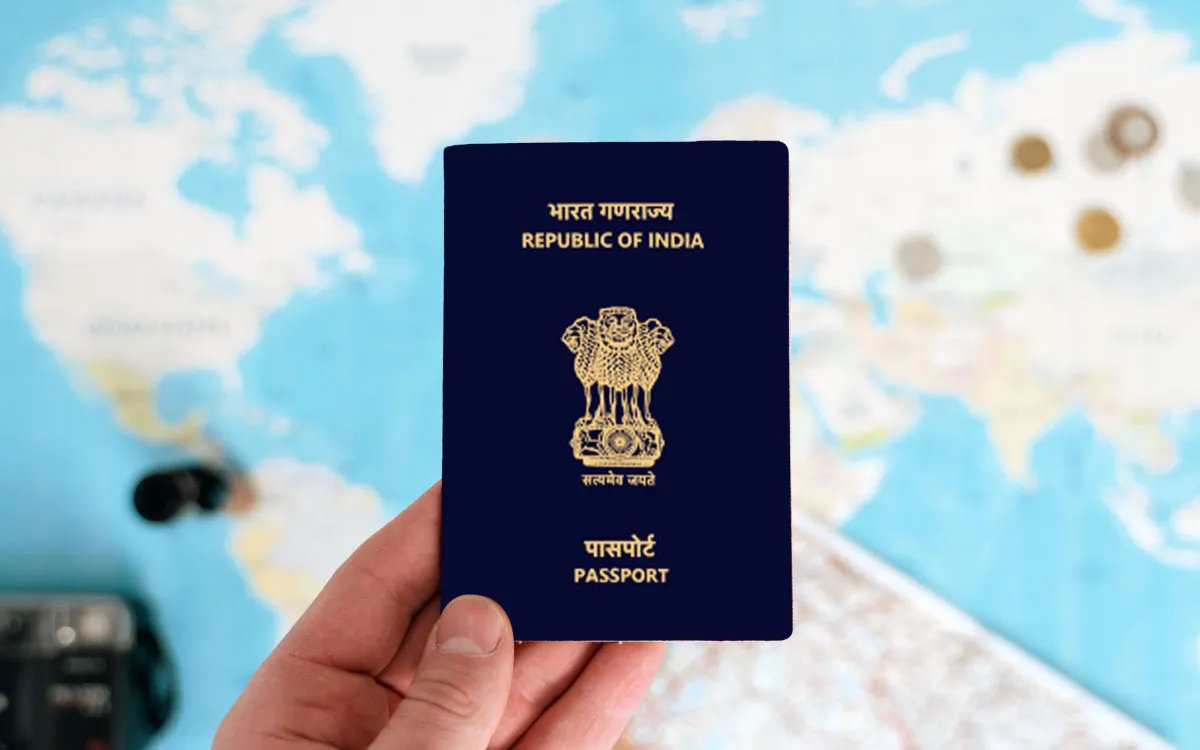
The documentation and eligibility requirements for the Golden Visa program are designed to ensure that applicants are qualified and capable of supporting themselves and their dependents throughout their residency period. A valid passport with sufficient remaining validity is a basic requirement, as it serves as proof of identity and nationality. Financial proof is also essential to demonstrate the applicant's ability to support themselves and their dependents without relying on public funds. This can be in the form of bank statements, investment portfolios, or other financial documents. Professional credentials or detailed investment plans are required to substantiate the applicant's contribution to Vietnam's economic development. This is particularly important for applicants applying under the Investor Visa or Talent Visa categories. The professional credentials or investment plans should clearly demonstrate the applicant's skills, experience, and potential to contribute to the Vietnamese economy. Health insurance coverage is a mandatory requirement to ensure access to medical services during residency. This is essential to protect both the applicant and the Vietnamese healthcare system from unexpected medical expenses. Background checks are conducted to verify the applicant's criminal history and establish their suitability for long-term residency. This is a crucial step to ensure that the program does not attract individuals with criminal intentions or who pose a threat to public safety. The geographic implementation of the Golden Visa program focuses on key urban centers that offer established infrastructure and international communities. Ho Chi Minh City, as the primary commercial hub, provides extensive business opportunities and modern amenities. This makes it an attractive destination for entrepreneurs and investors looking to establish their operations in Vietnam. Hanoi, as the political and administrative center, offers access to government services and diplomatic communities. This is particularly beneficial for individuals who need to interact with government agencies or who are involved in international affairs. Da Nang has emerged as a growing technology and tourism center, attracting international residents seeking coastal living with urban conveniences. This makes it a popular destination for those who are looking for a more relaxed lifestyle while still having access to modern amenities. Phu Quoc offers unique opportunities for tourism-related investments and lifestyle-focused residency options. This island is known for its beautiful beaches, lush forests, and relaxed atmosphere, making it an ideal destination for retirees and long-term tourists. The economic impact of the Golden Visa program is expected to be significant. Vietnamese authorities anticipate significant foreign investment inflows as the program gains momentum, particularly from Indian entrepreneurs seeking regional expansion opportunities. This investment can create jobs, stimulate economic growth, and improve the overall standard of living in Vietnam. The initiative supports Vietnam's broader economic development strategy by targeting skilled migration to address labor market needs while attracting capital investment across priority sectors. This can help Vietnam to become a more competitive and innovative economy.
Indian applicants bring valuable technological expertise, business experience, and cultural familiarity that align with Vietnam's development objectives. This can help to strengthen the ties between the two nations and contribute to Vietnam's overall economic success. However, it is important to note that the success of the Golden Visa program will depend on effective implementation and management. The Vietnamese authorities need to ensure that the application process is transparent and efficient, and that the program is properly marketed to attract the right kind of applicants. They also need to provide adequate support to visa holders to help them integrate into Vietnamese society and contribute to the local economy. Furthermore, the Vietnamese government needs to monitor the impact of the program on the local economy and society and make adjustments as necessary. If the Golden Visa program is properly implemented and managed, it has the potential to be a win-win situation for both Vietnam and Indian nationals seeking new opportunities in Southeast Asia. The program can attract much-needed investment and skilled labor to Vietnam, while also providing Indian nationals with a pathway to residency and economic opportunity in a dynamic and growing economy. The future of the Vietnam Golden Visa program hinges on several key factors. Firstly, the continued economic growth of Vietnam will be crucial in attracting foreign investors and skilled professionals. As Vietnam's economy continues to expand, the opportunities for business and employment will increase, making the Golden Visa program more attractive. Secondly, the political stability of Vietnam is essential for maintaining investor confidence and ensuring the long-term success of the program. A stable political environment provides reassurance to foreign residents and businesses that their investments and livelihoods are secure. Thirdly, the effective management and promotion of the Golden Visa program by the Vietnamese government will play a significant role in attracting qualified applicants. The government needs to ensure that the application process is transparent, efficient, and user-friendly, and that the program is well-publicized in India and other target markets. Fourthly, the availability of adequate infrastructure and social services in Vietnam is important for attracting and retaining foreign residents. This includes access to quality healthcare, education, housing, and transportation. Fifthly, the cultural integration of foreign residents into Vietnamese society is essential for promoting social harmony and ensuring the long-term success of the program. The Vietnamese government and local communities need to create a welcoming and inclusive environment for foreign residents, while also encouraging them to learn the Vietnamese language and culture.
Finally, the geopolitical landscape in Southeast Asia and the broader global economy will have an impact on the success of the Vietnam Golden Visa program. Factors such as trade agreements, political tensions, and economic downturns can affect the flow of investment and skilled labor to Vietnam. In conclusion, the Vietnam Golden Visa program represents a bold and strategic initiative to attract foreign investment and skilled professionals to the country. By offering a comprehensive 10-year residency scheme, Vietnam aims to tap into the vast potential of emerging economies like India and position itself as a competitive destination for foreign residents and businesses. The success of the program will depend on careful planning, effective implementation, and ongoing monitoring and evaluation. If managed properly, the Golden Visa program has the potential to be a game-changer for Vietnam's economy and its relations with India and other countries in the region. The program's focus on key sectors such as information technology, textiles, and renewable energy is well-aligned with Vietnam's development goals and India's strengths. The emphasis on digital application processes and the provision of dependent visa benefits further enhance the attractiveness of the program. However, the Vietnamese government needs to address potential challenges such as ensuring transparency in the application process, providing adequate support to visa holders, and monitoring the impact of the program on local communities. Overall, the Vietnam Golden Visa program is a promising initiative that has the potential to bring significant economic and social benefits to both Vietnam and India. It is important that the Vietnamese government remains committed to the program and continues to refine its implementation to ensure its long-term success. The initiative offers a compelling pathway for Indian nationals seeking new opportunities in Southeast Asia and underscores Vietnam's growing importance as a regional economic hub. The long-term success will depend on adaptable policies, proactive community integration strategies, and continued focus on promoting mutually beneficial partnerships. By addressing challenges and capitalizing on opportunities, Vietnam can solidify its position as a leading destination for foreign investment and skilled migration in the years to come. Furthermore, building strong connections with overseas Indian communities will enhance the program's reach and effectiveness. Continued efforts to foster cultural exchange and promote understanding between the two countries will contribute significantly to creating a welcoming and inclusive environment for Indian residents in Vietnam.
The Vietnamese government must also consider establishing support networks and mentorship programs to help Indian entrepreneurs and professionals navigate the local business landscape and integrate into Vietnamese society. This will not only increase the program's attractiveness but also contribute to the overall success of Indian ventures in Vietnam. Constant dialogue and feedback mechanisms with stakeholders, including visa applicants, residents, and local communities, will enable the government to fine-tune the program and address any emerging concerns promptly. This adaptive approach is crucial for ensuring the long-term relevance and effectiveness of the Vietnam Golden Visa program. Looking ahead, the Vietnam Golden Visa program could serve as a model for other Southeast Asian countries seeking to attract foreign investment and skilled labor. By learning from Vietnam's experience, other countries can design their own residency schemes that are tailored to their specific economic and social contexts. The program also has the potential to strengthen regional cooperation and integration in Southeast Asia. By facilitating the movement of capital, talent, and ideas across borders, the Golden Visa program can contribute to the region's overall economic competitiveness and development. In conclusion, the Vietnam Golden Visa program is a forward-looking initiative that has the potential to transform Vietnam's economy and its relations with India and the wider world. By creating a welcoming and supportive environment for foreign residents and businesses, Vietnam can unlock new opportunities for growth, innovation, and prosperity. However, the program's success will depend on careful planning, effective implementation, and a long-term commitment to building strong partnerships with stakeholders. With the right approach, the Vietnam Golden Visa program can become a flagship initiative that showcases Vietnam's dynamism, openness, and commitment to sustainable development. The program also serves as a testament to the growing importance of people-to-people connections in fostering economic and social progress. By facilitating the exchange of knowledge, skills, and cultural experiences between Vietnam and India, the Golden Visa program can contribute to building stronger and more resilient societies in both countries. As the program matures, it is crucial to maintain a focus on promoting ethical and responsible investment practices. This includes ensuring that foreign investments benefit local communities, protect the environment, and respect human rights. The Vietnamese government should work closely with investors to ensure that their activities are aligned with the country's sustainable development goals. Furthermore, the program should be designed to prevent any unintended consequences such as displacement of local populations, environmental degradation, or exploitation of labor. By taking a holistic and responsible approach, the Vietnam Golden Visa program can create lasting positive impacts for both Vietnam and India.
Source: Vietnam Golden Visa Opens 10 Year-Long Residency Path for Indians