
 |
|
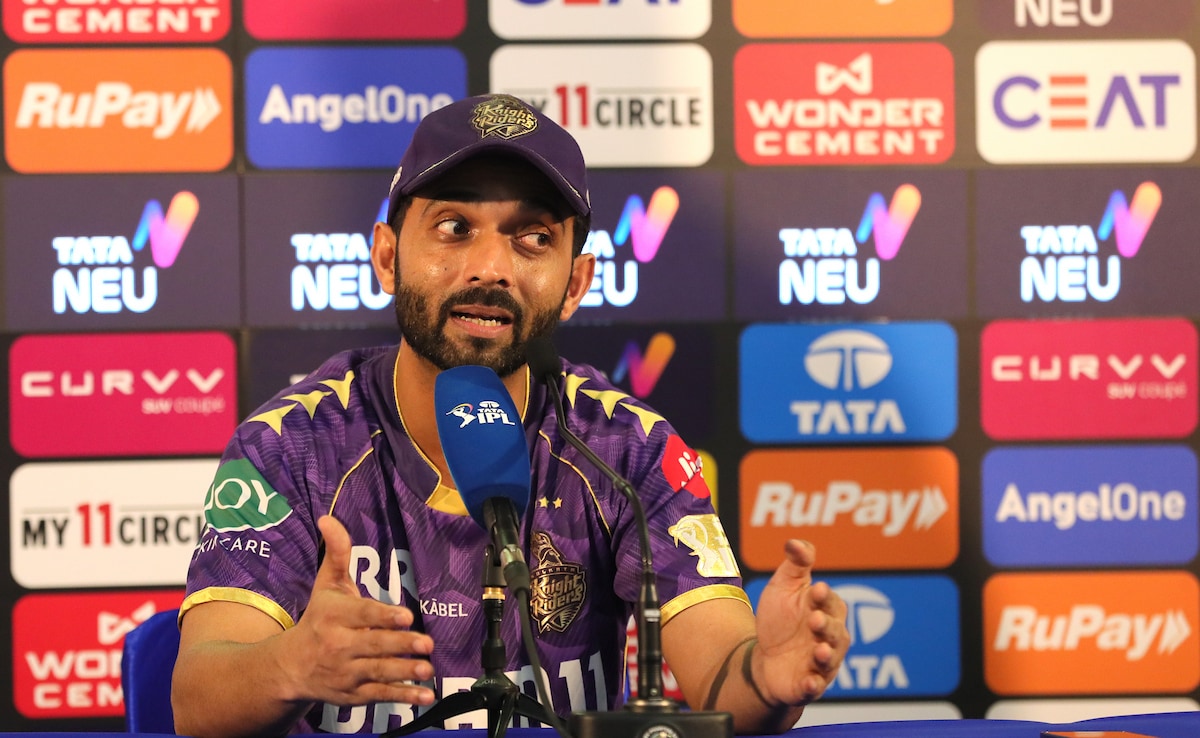
The Kolkata Knight Riders (KKR) experienced a disappointing season in the Indian Premier League (IPL), finishing in eighth place, a stark contrast to their title-winning performance in the previous year. Captain Ajinkya Rahane has attributed this lackluster performance primarily to the underperformance of key batsmen, including Rinku Singh, Andre Russell, Venkatesh Iyer and Ramandeep Singh, despite the bowling unit largely meeting expectations. Rahane emphasized that the collective failure of the batting unit significantly derailed their campaign. While acknowledging that fluctuations in form are common in cricket, the simultaneous slump experienced by several crucial players proved detrimental to KKR's chances. The defeat to Sunrisers Hyderabad, by a crushing 110 runs, highlighted the batting woes and was a clear indication of the team's struggles towards the end of the season. Rahane expressed confidence that these players would learn from their mistakes and return stronger in the next season, and highlighted the natural pressure that players face after successful seasons to perform and prove their worth. He recognized that the expectations placed upon themselves might have contributed to their underperformance. Rahane dismissed suggestions that the high price tag associated with Venkatesh Iyer, who was re-signed using the Right To Match card for a substantial amount of Rs 23.75 crore, had impacted his performance. He argued that a player's attitude and work ethic remain consistent regardless of their salary and believed that Iyer had been focusing on the controllable aspects of the game. Rahane supported the player and attributed his underwhelming season to the ebbs and flows that occur in any athlete's career. He further acknowledged that while the season had its ups and downs, the team did not collectively perform well enough to secure consistent victories. Rahane mentioned specific matches such as the losses against Punjab Kings, Lucknow Super Giants and Chennai Super Kings, where the outcome could have been different had the batting order performed better. He also emphasized that defending a championship title is a challenging task, and the team had given their best effort. Rahane commended the bowling unit for its consistency, emphasizing that the wickets favored the batters, yet the bowlers, including Harshit Rana, Chakravarthy, Vaibhav Arora, and Sunil Narine, had performed admirably, demonstrating clear thinking and effective strategies throughout the season. The failure to chase relatively modest totals, coupled with narrow defeats, ultimately proved costly for KKR's campaign. While Rahane remained optimistic about the future, he acknowledged the need for the team to learn from their mistakes and collectively improve their performance in the upcoming seasons. He stressed that the entire team must benefit from the learnings, not just specific individuals. The experience gained during this challenging season will serve as valuable motivation for KKR to regroup and come back stronger in the next IPL season. The ability of each player to assess their performance, identify areas for improvement, and work collaboratively towards a common goal will be crucial for KKR's success in the future. Rahane's leadership and the team management's support will be essential in guiding the team through this process and creating a conducive environment for individual and collective growth.
Rahane's post-match remarks offer valuable insight into the dynamics within the Kolkata Knight Riders and the challenges they faced during the IPL season. His willingness to identify specific areas of concern, particularly the underperformance of key batsmen, demonstrates a commitment to honest self-assessment. His defense of Venkatesh Iyer is also noteworthy, as it showcases a supportive approach towards players who may be struggling. By attributing Iyer's performance to the natural fluctuations of the game, Rahane aims to shield him from excessive criticism and maintain his confidence. Rahane's focus on controllable factors, such as attitude and work ethic, highlights the importance of mental resilience and perseverance in professional sports. While acknowledging the pressure that comes with high expectations, he emphasizes the need for players to focus on their own efforts rather than external factors like price tags or past successes. His praise for the bowling unit is a testament to their consistent performance despite challenging conditions. By highlighting the contributions of specific bowlers, Rahane recognizes their efforts and boosts their morale. This balanced approach, acknowledging both shortcomings and strengths, is crucial for fostering a positive team environment and promoting continuous improvement. Rahane's emphasis on learning from mistakes and collective growth underscores the importance of teamwork and collaboration. He emphasizes that the entire team must benefit from the learnings of this season, not just specific individuals. This holistic approach is essential for building a cohesive unit and achieving sustained success. Rahane's leadership style, characterized by honesty, support, and a focus on continuous improvement, is likely to play a crucial role in KKR's efforts to regroup and come back stronger in the next IPL season. Rahane's assessment of the team's performance, coupled with his strategic approach to player management, reflects his understanding of the complexities of professional cricket and his commitment to leading KKR towards success.
The comments made by Ajinkya Rahane following the disappointing season for Kolkata Knight Riders in IPL, serve as an important debrief and strategy session for the team moving forward. It highlights the importance of analyzing team performance, identifying weaknesses, and formulating plans for improvement. The captain's frank assessment of the batsmen's underperformance is vital for creating a culture of accountability within the team. While it's important to support struggling players, acknowledging areas for improvement is essential for driving progress. Rahane's defense of Venkatesh Iyer underscores the importance of providing support and encouragement to players who may be facing challenges. By dismissing the notion that the player's price tag had any bearing on his performance, Rahane demonstrates his belief in Iyer's abilities and aims to protect him from undue criticism. Rahane's emphasis on controllable factors, such as attitude and work ethic, is a key message for all players. In high-pressure situations, focusing on what you can control is crucial for maintaining composure and delivering optimal performance. His praise for the bowlers' performance is equally important, as it acknowledges their contributions and boosts their morale. Recognizing and celebrating successes, even during challenging times, helps maintain a positive team environment and reinforces the importance of collective effort. Ultimately, the key takeaway from Rahane's comments is the emphasis on learning from mistakes and striving for continuous improvement. By analyzing what went wrong during the season and identifying areas for growth, KKR can lay the foundation for a stronger and more successful campaign in the next IPL season. This approach involves fostering open communication within the team, encouraging players to take ownership of their performance, and providing them with the resources and support they need to reach their full potential.
Furthermore, the article touches on the crucial role of leadership in sports. Rahane's position as captain necessitates not only tactical prowess on the field but also the ability to motivate and guide his team through both successes and failures. His statements reflect a leader who is both honest in his assessment of the team's shortcomings and supportive of his players, a balance that is crucial for maintaining morale and fostering a cohesive team environment. The discussion surrounding Venkatesh Iyer also highlights the complexities of player valuation and the pressures that come with high-profile acquisitions. While Rahane rightly dismisses the notion that Iyer's price tag directly influenced his performance, it's undeniable that such financial considerations can create added scrutiny and expectations. Managing these expectations and providing players with the necessary support to thrive under pressure is a key challenge for team management. The article also indirectly addresses the cyclical nature of success in sports. KKR's title win in the previous year created high expectations for the current season, expectations that the team ultimately failed to meet. This serves as a reminder that success is not guaranteed and that consistent hard work, adaptability, and a willingness to learn are essential for maintaining a competitive edge. The performance of the KKR bowling unit, despite the challenging conditions, underscores the importance of specialization and tactical flexibility. Rahane's praise for the bowlers highlights the value of having a well-rounded team with players who can excel in different roles and adapt to varying game situations. In conclusion, the article offers a multifaceted perspective on the challenges and complexities of professional cricket. It highlights the importance of team dynamics, leadership, player management, and the ability to learn from both successes and failures. Rahane's post-season assessment provides valuable insights into KKR's performance and sets the stage for the team's efforts to regroup and come back stronger in the future.
Finally, we can dissect the specific points made by Rahane regarding the KKR season in more detail. Firstly, his acknowledgment of the batting failure is crucial. He doesn't shy away from pinpointing the core issue. Blaming three to four key players underperforming shows accountability and a willingness to address the problem directly. This also sets the stage for focused training and strategy sessions to improve batting performance in the future. Secondly, his defense of Venkatesh Iyer is a testament to his leadership. Instead of scapegoating a high-value player, he deflects blame from the price tag and focuses on uncontrollable factors. This protects Iyer's morale and creates a supportive team atmosphere. It shows that Rahane values his players and stands by them during difficult times. Thirdly, praising the bowlers while acknowledging the batting weakness shows a balanced perspective. He recognizes that the bowlers performed well despite challenging, batter-friendly conditions. This acknowledgment can boost their confidence and motivate them to maintain their performance levels. Also, not overlooking the bowlers contributions despite the overall failure of the batting order shows strong leaderhip ability to still highlight the positives from the season. Rahane's point about the pressure of expectations is also important. After successful seasons, players often put more pressure on themselves, leading to underperformance. Recognizing this psychological aspect is crucial for managing players and helping them cope with pressure. The team needs to work on strategies to manage expectations and help players perform at their best even under pressure. Additionally, the fact that KKR had two rain-marred games also impacts the overall standings and morale of the team. Having games affected by external factors could also influence team momentum and performance levels. Acknowledging this uncontrollable aspect of the season shows an understanding of the challenges faced. In conclusion, Rahane's summary of the KKR season highlights the complexities and nuances of team sports. It emphasizes the importance of accountability, support, balanced perspective, and managing expectations. His leadership and the team's ability to learn from their mistakes will be crucial for their success in the future.
Source: "Not Going To Work Harder If Getting Rs 20 Crore": Ajinkya Rahane's Blunt aTake On Venkatesh Iyer