
 |
|
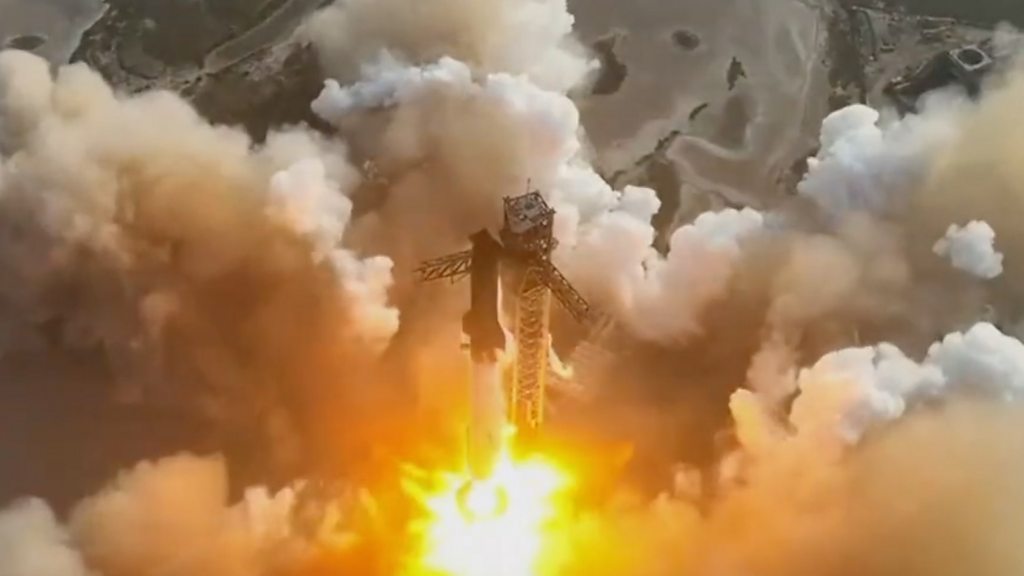
The provided article content is extremely limited, consisting only of a title and a copyright notice with a disclaimer. Therefore, constructing a comprehensive essay based on this minimal information is impossible. However, we can speculate and extrapolate on the potential implications and context surrounding such an event, assuming the headline accurately reflects the outcome of a SpaceX Starship test flight. The failure of a Starship test flight, especially one involving a spin out of control, would have significant ramifications for SpaceX's ambitious plans for lunar and Martian colonization. Starship is envisioned as the primary vehicle for transporting large quantities of cargo and personnel to these destinations, and its successful development is crucial to the realization of these goals. A major anomaly like the one described would necessitate a thorough investigation to determine the root cause, potentially delaying future launches and impacting the overall timeline for space exploration. This investigation would likely involve engineers and scientists from various disciplines, including aerodynamics, propulsion, and control systems. They would analyze telemetry data, review flight simulations, and examine any recovered debris to identify the factors that contributed to the spin out of control. Potential causes could range from engine malfunctions and control system errors to structural failures or unexpected aerodynamic phenomena. The outcome of the investigation could lead to design modifications, software updates, and changes in operational procedures. Furthermore, such an event would undoubtedly attract significant scrutiny from regulatory bodies like the Federal Aviation Administration (FAA), which oversees commercial space launches in the United States. The FAA would likely conduct its own independent investigation to ensure that SpaceX is adhering to safety regulations and taking appropriate measures to prevent similar incidents from occurring in the future. The incident could also raise concerns among investors and the general public about the safety and reliability of Starship, potentially affecting SpaceX's funding and public image. The successful development of Starship is not only important for SpaceX but also for the broader space industry. It represents a significant leap forward in launch capabilities and could pave the way for new opportunities in space exploration, research, and commerce. However, failures like the one described serve as a reminder of the inherent risks and challenges associated with spaceflight. Each setback provides valuable lessons and opportunities for improvement, ultimately contributing to the advancement of space technology. The short article content also implies the BBC reported on this. The BBC is a trusted media outlet, so we can infer that they consider the Starship test flight important. News outlets are concerned with public interest, so the Starship test flight has a large following. The public interest is related to topics such as economic investment, future space travel, and possibly national defense. The future of travel is being tested, and there is a risk of failure, which brings up the topic of public accountability. This single failure can be a lesson for the future, and a reminder of the past. The past has seen failure in spaceflight, and we continue to take steps to be better. We are reminded that we can reach the stars, but we can not avoid the hard work and sacrifice it takes to achieve the goal. The failure is an important step, even though it is difficult for those involved.
Continuing from the previous point, a detailed understanding of the factors that led to the Starship's spin out of control is critical for ensuring the safety and success of future missions. This involves a meticulous analysis of all available data, including telemetry, video recordings, and any recovered hardware. The telemetry data, in particular, provides a wealth of information about the vehicle's performance during flight, including engine thrust levels, control surface positions, and aerodynamic forces. By examining this data, engineers can identify any deviations from the expected flight path and pinpoint the exact moment when the spin occurred. Video recordings can provide visual confirmation of the vehicle's behavior and help to identify any external factors that may have contributed to the incident. Recovered hardware can be subjected to rigorous testing to determine if any components failed or malfunctioned during the flight. In addition to analyzing the data from the failed test flight, SpaceX would also conduct extensive simulations to recreate the conditions that led to the spin. These simulations would allow engineers to test different hypotheses and identify the most likely cause of the incident. The simulation models would be refined based on the data collected from the actual flight, ensuring that they accurately reflect the vehicle's behavior. Once the root cause of the spin has been identified, SpaceX would implement corrective actions to prevent similar incidents from occurring in the future. These actions could include design modifications, software updates, and changes in operational procedures. Design modifications could involve strengthening the vehicle's structure, improving the control system, or modifying the engine design. Software updates could be implemented to improve the vehicle's stability and control. Changes in operational procedures could involve adjusting the flight profile or implementing new safety checks. The corrective actions would be thoroughly tested and validated before being implemented in future flights. This could involve conducting additional simulations, ground tests, and even suborbital test flights. The goal is to ensure that the corrective actions are effective and do not introduce any new risks. The entire process of investigating the incident, identifying the root cause, and implementing corrective actions can be lengthy and complex. However, it is essential for ensuring the safety and reliability of Starship and for maintaining public confidence in SpaceX's ability to safely operate its vehicles. Space exploration is inherently risky, and failures are inevitable. However, by learning from these failures and continuously improving their technology, SpaceX and other space companies can continue to push the boundaries of what is possible and pave the way for a future where humans can explore and colonize other planets.
Furthermore, the implications of a Starship failure extend beyond just the technical aspects of spaceflight. There are significant economic, political, and social dimensions to consider. Economically, the failure of a major test flight can have a substantial impact on SpaceX's financial performance and investor confidence. Delays in the development and deployment of Starship can push back timelines for lucrative contracts, such as those with NASA for lunar lander services, and potentially affect the company's valuation. Moreover, the cost of investigating the incident, implementing corrective actions, and potentially redesigning parts of the vehicle can be significant. These costs can strain SpaceX's resources and potentially impact its ability to invest in other projects. Politically, a Starship failure can raise questions about the government's oversight of commercial space activities and the level of public investment in space exploration. Critics may argue that the government is not doing enough to ensure the safety of these missions or that the resources allocated to space exploration could be better used elsewhere. On the other hand, supporters of space exploration may argue that failures are inevitable and that the government should continue to support these efforts to maintain U.S. leadership in space. Socially, a Starship failure can affect public perception of space exploration and inspire both excitement and concern about the future of human spaceflight. Some people may be discouraged by the setbacks and question the value of investing in such risky endeavors. Others may be inspired by the challenges and view the failures as learning opportunities that ultimately lead to progress. The public reaction to a Starship failure can also be influenced by the media coverage of the event. Sensationalized reporting can amplify the perceived risks and downsides of space exploration, while more balanced reporting can provide context and highlight the potential benefits. It's also important to consider the human element. The engineers, scientists, and technicians who work on Starship are deeply invested in its success. A failure can be a devastating blow to their morale and can raise doubts about their abilities. It's crucial for SpaceX to provide support and encouragement to its employees during these challenging times. The overall impact of a Starship failure depends on a variety of factors, including the severity of the incident, the public's reaction, and the company's response. However, one thing is certain: failures are an inevitable part of space exploration, and they provide valuable lessons that can help us to achieve our goals. Each launch is a learning experience, and each failure brings us closer to success. The path to the stars is paved with both triumphs and setbacks, and it is through our collective determination to overcome these challenges that we will ultimately reach our destination. Finally, the BBC's report on this event underlines the global interest and significance of space exploration. The BBC, as a reputable international news organization, dedicates resources to covering these events, demonstrating that space endeavors are not just national concerns but matters of global importance. Space exploration has profound implications for our understanding of the universe, our technological capabilities, and our future as a species. Therefore, it is crucial to stay informed about the progress and challenges faced in this field, and news organizations like the BBC play a vital role in providing accurate and comprehensive coverage.