
 |
|
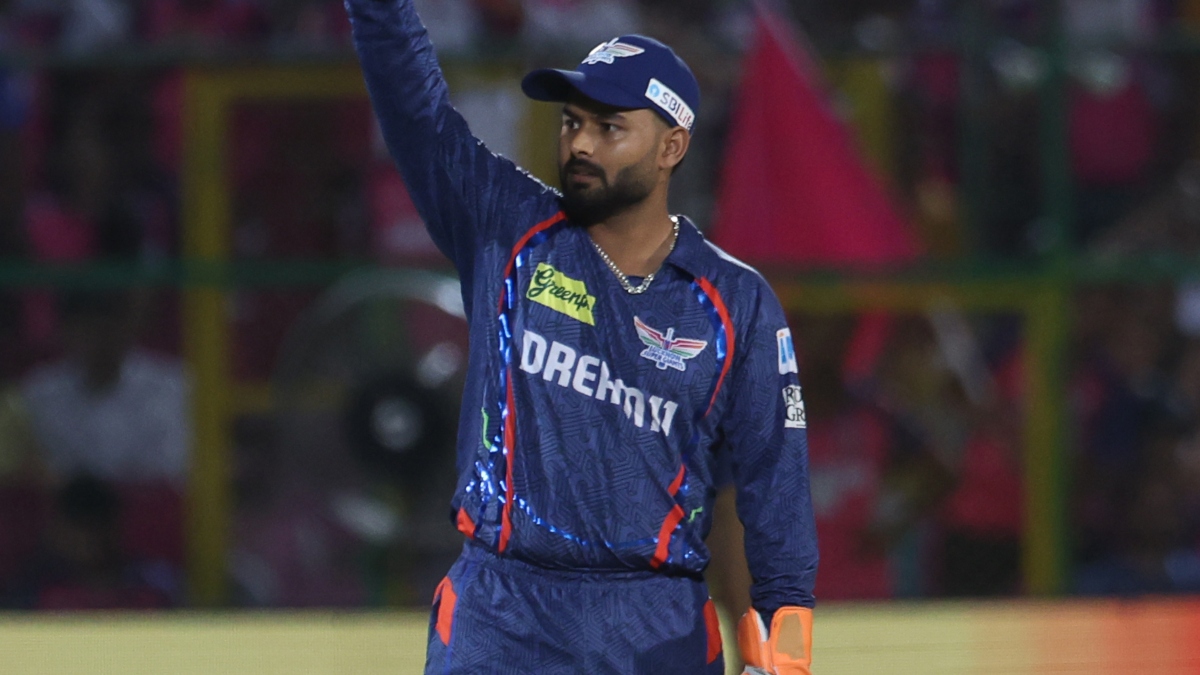
Rishabh Pant, despite a stellar century for the Lucknow Super Giants (LSG) in their concluding IPL 2025 match, found himself in trouble once again due to a slow over-rate. This marked the third instance of such an infraction this season, resulting in a significant financial penalty for both the LSG captain and his team. The repercussions followed LSG's defeat against Royal Challengers Bengaluru (RCB), a match where RCB successfully chased down a target of 228. The incident underscores the stringent rules surrounding over-rates in the IPL and the potential consequences for teams that fail to adhere to them. The implications extend beyond mere financial penalties, raising questions about leadership responsibility and the impact on team performance. For Pant, it raises concerns about his captaincy and ability to manage time effectively during matches. The accumulation of these penalties highlights a persistent issue that needs addressing to ensure fair play and maintain the integrity of the game. The substantial fine imposed on both Pant and his team members underscores the seriousness with which the IPL governing body views these violations. The financial burden can significantly impact team resources and player morale, adding another layer of complexity to an already high-pressure environment. Furthermore, the incident invites scrutiny from fans and analysts, who will likely dissect Pant's leadership style and the team's overall strategy in future matches. This incident could serve as a catalyst for introspection and adjustments in LSG's approach to time management and on-field decision-making. It also brings to the forefront the debate about the effectiveness of existing regulations and whether they adequately deter teams from deliberately slowing down the game. Alternative measures, such as point deductions or stricter penalties for repeated offenses, may be considered to address the issue more effectively. The slow over-rate controversy has cast a shadow over Pant's otherwise impressive performance and LSG's season, leaving a lingering question mark about their ability to navigate the challenges of professional cricket with both skill and discipline.
The official IPL statement confirmed the penalty, stating, "As it was his team’s third offence of the season under the IPL’s Code of Conduct relating to minimum over-rate offences, Rishabh Pant was fined INR 30 Lakh. The rest of the members of the Playing XI, including the Impact Player, were each individually fined either INR 12 Lakh or 50 per cent of their respective match fees, whichever is lesser." This declaration highlights the financial implications for the entire playing squad, emphasizing the collective responsibility in maintaining the required over-rate. The significant fine serves as a strong deterrent, aimed at discouraging teams from deliberately slowing down the game. The penalty structure is designed to affect both the captain, who bears ultimate responsibility, and the players, who contribute to the overall pace of play. The IPL's stance on over-rates reflects its commitment to ensuring a fast-paced and engaging viewing experience for fans. Slow over-rates can disrupt the flow of the game and detract from the overall entertainment value, hence the stringent measures to enforce time discipline. The financial penalties are not merely symbolic; they can have a tangible impact on team finances and player earnings, potentially affecting morale and performance. Furthermore, the public nature of these fines serves as a reminder to all teams and players to adhere to the regulations and prioritize time management on the field. The IPL's consistent enforcement of over-rate rules demonstrates its dedication to maintaining the integrity of the game and preventing teams from gaining an unfair advantage through deliberate delays. This commitment to fair play ensures that matches are conducted in a timely manner and that fans are provided with a compelling and enjoyable sporting spectacle. The penalties also incentivize teams to adopt strategies and tactics that promote a faster pace of play, such as optimizing bowling changes and streamlining communication between players and the captain.
In previous seasons, a third over-rate violation would have resulted in a one-match suspension for the captain, a penalty that would carry over to the subsequent season, as exemplified by Hardik Pandya's suspension in IPL 2025. However, the current regulations do not include suspensions for over-rate offenses. This means that Pant, provided he is retained and fit, will be able to lead the Super Giants in the next season without facing any suspension. This change in the rules raises questions about the effectiveness of the current penalty system in deterring slow over-rates. Some argue that the absence of suspensions weakens the deterrent effect and may encourage teams to prioritize other factors over maintaining the required pace of play. Others contend that financial penalties are sufficient and that suspensions can unduly punish teams for relatively minor infractions. The debate over the appropriate penalty structure for over-rate violations highlights the complexities of balancing competitive fairness with the need to maintain a fast-paced and entertaining game. The potential reintroduction of suspensions or the implementation of alternative measures remains a topic of discussion within the IPL governing body. The absence of a suspension for Pant in this case allows him to continue leading LSG without interruption, potentially mitigating the impact of the slow over-rate controversy on the team's performance in the upcoming season. However, the incident serves as a reminder of the importance of adhering to the regulations and managing time effectively during matches. The decision to retain or modify the current penalty system will likely be influenced by ongoing assessments of its effectiveness in deterring slow over-rates and maintaining the integrity of the game.
Despite the over-rate penalty, Pant's performance on the field was noteworthy, as he secured his second IPL century and his first for the Super Giants in the league stage finale. This achievement undoubtedly strengthens his case for retention by the team, showcasing his value as a top-order batsman. Following Mitchell Marsh's impressive half-century, Pant delivered a blistering 55-ball century, propelling his side to a formidable score of 227 after being put in to bat. However, Jitesh Sharma's explosive unbeaten innings of 85 off just 33 balls enabled RCB to chase down the target, albeit with some dramatic moments, leaving LSG with a defeat to conclude their season. The contrasting outcomes of Pant's individual brilliance and the team's ultimate defeat underscore the complexities of team sport, where individual excellence does not always translate into collective success. Pant's century demonstrated his exceptional batting prowess and his ability to perform under pressure. However, the team's failure to defend a substantial total highlights the importance of a cohesive effort across all departments, including bowling and fielding. The match served as a microcosm of LSG's season, characterized by flashes of brilliance interspersed with periods of inconsistency. Pant's performance solidifies his position as a key player for the Super Giants and strengthens his claim for retention. However, the team's overall performance raises questions about their ability to compete consistently at the highest level and the need for strategic adjustments to improve their chances of success in future seasons. The combination of individual brilliance and team shortcomings underscores the challenges of building a winning team and the importance of fostering a culture of collective responsibility and resilience.
Beyond his on-field achievements, Pant also demonstrated sportsmanship by withdrawing an appeal after Digvesh Rathi had run Jitesh Sharma out at the non-striker's end. This gesture earned him praise and further highlighted his leadership qualities. LSG concluded their season with 12 points, finishing in seventh place, while Punjab Kings were set to face RCB in the first qualifier, followed by Gujarat Titans against Mumbai Indians in the eliminator. Pant's act of withdrawing the appeal exemplifies the values of fair play and respect for the spirit of the game. It demonstrates his commitment to upholding ethical standards, even in the midst of intense competition. This gesture resonates positively with fans and enhances his reputation as a leader who prioritizes integrity. LSG's seventh-place finish reflects a season of mixed fortunes, with moments of brilliance interspersed with periods of inconsistency. The team's inability to secure a playoff berth underscores the competitive nature of the IPL and the need for consistent performance to achieve success. The upcoming playoff matches promise to be exciting contests, with the top teams vying for the coveted IPL title. The concluding stages of the tournament will provide a platform for players to showcase their skills and teams to demonstrate their strategic prowess. The outcome of these matches will shape the narrative of the IPL 2025 season and determine which team ultimately emerges as the champion. LSG's experience in the season serves as a valuable learning opportunity, providing insights into their strengths and weaknesses and informing their strategies for future seasons. The team will aim to build on their successes and address their shortcomings to enhance their competitiveness and achieve greater success in the years to come.
Source: Rishabh Pant pulled up for third time for maintaining slow over-rate in IPL 2025