
 |
|
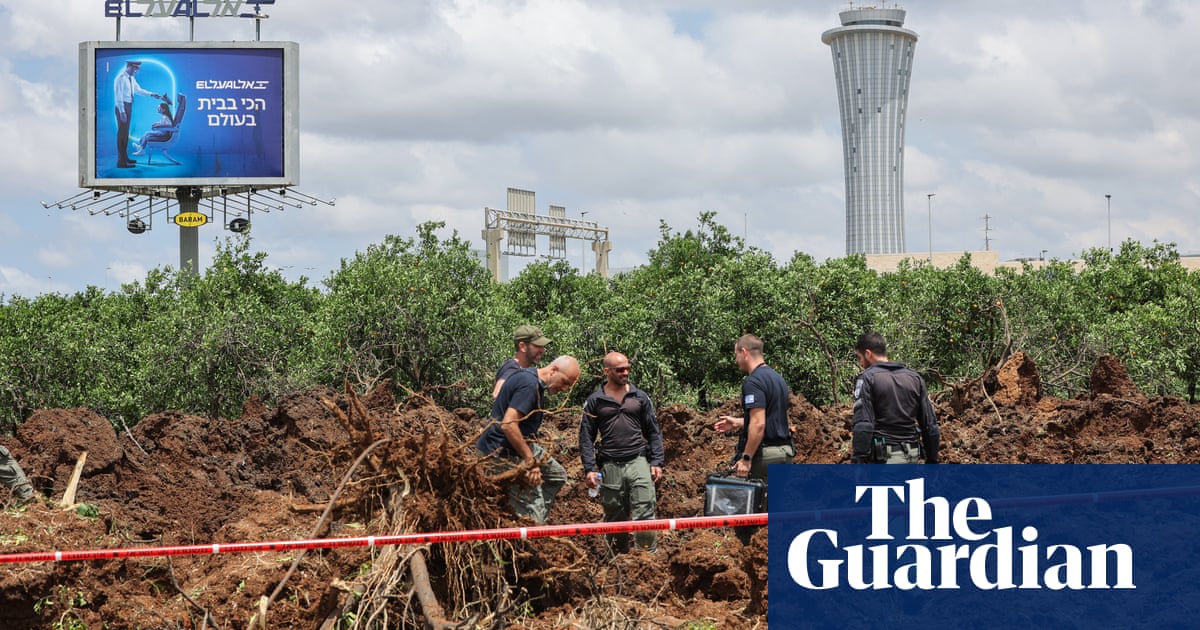
The recent missile attack by Yemen's Houthi rebels near Israel's Ben Gurion International Airport has significantly escalated tensions in the region, prompting strong reactions from both Israeli and international entities. Israeli Prime Minister Benjamin Netanyahu has vowed a multi-phased response to the attack, signaling a potential widening of the conflict that already encompasses the ongoing war between Israel and Hamas in the Gaza Strip. The Houthi’s targeting of Israel, which began in late 2023 amidst the Gaza conflict, adds another layer of complexity to an already volatile situation. The Houthis, backed by Iran, have stated that Israel's main airport is now unsafe for air travel, a claim that has been substantiated by the cancellations and suspensions of flights by numerous international airlines. This incident underscores the growing threat posed by non-state actors in the Middle East and their ability to disrupt international transportation and security. The international community is now faced with the challenge of managing this escalating crisis and preventing further destabilization of the region. The economic and logistical implications of the disrupted air travel are also significant, potentially impacting tourism, trade, and diplomatic relations. Netanyahu's promise of a 'multi-phased response' suggests that Israel is considering a range of options, from military action against Houthi targets in Yemen to diplomatic efforts aimed at isolating the group and curtailing their support from Iran. The situation remains highly fluid, and the potential for further escalation is a major concern for regional and international stakeholders. The United States, which previously conducted large-scale strikes against the Houthis under President Trump, is likely to play a significant role in mediating the conflict and deterring further attacks. The Houthis' actions can be viewed as a deliberate attempt to exert pressure on Israel and disrupt its economic and political activities. The timing of the attack, following a ceasefire deal between Israel and Hamas, suggests a strategic intent to undermine any progress towards a more stable regional environment. The response from international airlines, including major carriers like Delta, Lufthansa, Air France, and Ryanair, demonstrates the severity of the perceived threat and the potential for significant disruptions to air travel. This incident highlights the vulnerability of civilian infrastructure to attacks by non-state actors and the challenges of ensuring the safety and security of international transportation networks. The long-term consequences of this escalation could include increased military spending, heightened security measures at airports and other critical infrastructure, and a further deterioration of regional stability. The need for a comprehensive strategy to address the root causes of the conflict, including the political and economic grievances of the Yemeni population and the influence of external actors like Iran, is becoming increasingly urgent. The situation requires a coordinated international effort to de-escalate tensions, promote dialogue, and address the underlying factors that contribute to the instability in the region. The safety and security of civilian populations must be prioritized, and all parties involved must refrain from actions that could further escalate the conflict.
The impact of the Houthi missile strike extends beyond the immediate disruption of air travel. It also raises broader questions about the effectiveness of existing security measures and the ability of international actors to deter attacks by non-state actors. The Houthis' ability to strike targets within Israel, despite the country's advanced air defense systems, suggests a significant level of operational capability and access to advanced weaponry. This highlights the need for a reassessment of security protocols and the development of more effective counter-measures to protect critical infrastructure. The international community must also address the issue of arms proliferation and prevent the flow of weapons to non-state actors in conflict zones. The role of Iran in supporting the Houthis is a key factor in the ongoing conflict, and efforts to curtail Iranian influence in the region are essential for achieving long-term stability. The Houthis' actions are not only a threat to Israel but also to regional security and international commerce. Their attacks on shipping in the Red Sea have disrupted global trade routes and increased the cost of goods and services. This has a ripple effect on economies around the world and underscores the importance of maintaining freedom of navigation and ensuring the safety of maritime transportation. The United Nations and other international organizations have a crucial role to play in mediating the conflict and promoting a peaceful resolution. This requires a comprehensive approach that addresses the political, economic, and social dimensions of the crisis. The humanitarian situation in Yemen is dire, and the ongoing conflict has exacerbated the suffering of the civilian population. The international community must provide humanitarian assistance to those in need and work towards a political settlement that addresses the underlying causes of the conflict. The targeting of civilian infrastructure, such as airports, is a violation of international law and must be condemned in the strongest terms. All parties involved in the conflict must adhere to the principles of international humanitarian law and take all necessary measures to protect civilians. The potential for further escalation of the conflict is a major concern, and the international community must act decisively to prevent a wider war. This requires a concerted effort to de-escalate tensions, promote dialogue, and address the root causes of the conflict. The safety and security of civilian populations must be prioritized, and all parties involved must refrain from actions that could further escalate the conflict. The long-term consequences of this escalation could include increased military spending, heightened security measures at airports and other critical infrastructure, and a further deterioration of regional stability.
The geopolitical implications of the Houthi attack are far-reaching. It underscores the complex interplay of regional power dynamics and the challenges of maintaining stability in the Middle East. The involvement of Iran in supporting the Houthis adds a layer of complexity to the conflict, as it reflects the broader rivalry between Iran and its regional adversaries, including Saudi Arabia and Israel. The Houthis' actions can be seen as a proxy war, with Iran using the group to exert pressure on its rivals and advance its strategic interests. This highlights the need for a comprehensive strategy to address the root causes of the conflict, including the political and economic grievances of the Yemeni population and the influence of external actors like Iran. The United States, as a key player in the region, has a crucial role to play in mediating the conflict and promoting a peaceful resolution. This requires a balanced approach that takes into account the interests of all parties involved and addresses the underlying causes of the instability. The international community must also work towards a broader regional security framework that promotes dialogue, cooperation, and conflict resolution. This framework should address the challenges of terrorism, extremism, and arms proliferation, and promote respect for international law and human rights. The economic consequences of the conflict are also significant. The disruption of air travel and maritime trade has a ripple effect on economies around the world. This underscores the importance of maintaining stable and secure transportation networks and promoting international cooperation to address global challenges. The long-term stability of the Middle East is essential for global peace and prosperity. The international community must work together to address the root causes of conflict, promote dialogue and cooperation, and support the development of stable and prosperous societies. The Houthi attack on Israel's main airport is a stark reminder of the challenges facing the region and the need for a renewed commitment to peace and stability. The consequences of inaction could be dire, and the international community must act decisively to prevent a further escalation of the conflict. The focus should remain on de-escalation, diplomacy, and addressing the underlying causes of the instability, ensuring the safety and security of civilian populations, and working towards a lasting peace in the region.
Moving forward, a multi-faceted approach is crucial to mitigate the risks and address the underlying issues that fuel such conflicts. Diplomatically, increased efforts are needed to facilitate dialogue between all parties involved, including the Houthis, the Yemeni government, and regional powers like Saudi Arabia and Iran. This dialogue should aim to address the root causes of the conflict in Yemen, including political grievances, economic disparities, and security concerns. Simultaneously, international pressure should be maintained on Iran to cease its support for the Houthis and to engage constructively in regional de-escalation efforts. Economically, providing humanitarian assistance to Yemen is paramount to alleviate the suffering of the civilian population and to prevent further radicalization. Beyond immediate relief, long-term development initiatives are needed to address the underlying economic challenges that contribute to instability. These initiatives should focus on creating jobs, improving infrastructure, and promoting sustainable economic growth. Security-wise, strengthening Israel's air defense capabilities is essential to protect its civilian infrastructure from future attacks. This includes investing in advanced missile defense systems and enhancing intelligence gathering to detect and deter potential threats. Furthermore, international cooperation is needed to combat arms proliferation in the region and to prevent the flow of weapons to non-state actors. Finally, it is imperative to uphold international law and to hold accountable those who violate it. The targeting of civilian infrastructure constitutes a war crime, and those responsible must be brought to justice. The international community must also reaffirm its commitment to the principles of sovereignty and non-interference in the internal affairs of states, while simultaneously promoting human rights and democratic governance. By addressing the political, economic, security, and legal dimensions of the conflict, a path towards a more stable and peaceful Middle East can be forged.
Source: Netanyahu vows to act against Houthis after attack on Israel’s main airport