
 |
|
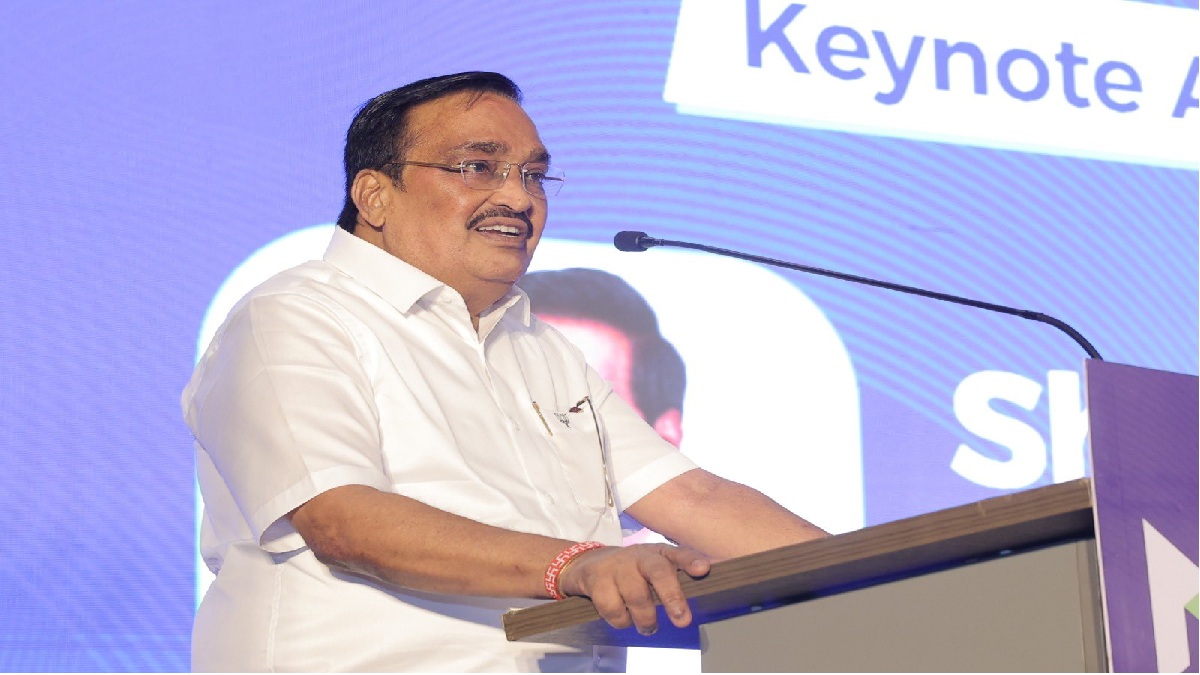
The article centers on a powerful act of protest by Union Jal Shakti Minister C R Paatil, who refused to accept any ceremonial welcome at an event in Surat, Gujarat, until the perpetrators of the recent terror attack in Pahalgam, Jammu and Kashmir, are brought to justice. This bold gesture, which involved declining a bouquet and a memento, highlights the minister's strong condemnation of the attack that claimed the lives of 26 people. The incident underscores the heightened tensions and the government's commitment to retaliatory action in the wake of the tragic event. Paatil's decision to forgo the usual formalities sends a clear message of solidarity with the victims and a firm stance against terrorism. His actions were met with applause from attendees, demonstrating public support for a swift and decisive response. The minister's protest serves as a symbolic expression of national mourning and a call for justice, reflecting the widespread outrage and grief felt across the nation. Furthermore, the government's actions, including the suspension of the Indus Water Treaty and the granting of full operational freedom to the armed forces, signify a significant shift in policy towards a more aggressive approach in dealing with cross-border terrorism. Paatil's earlier statement about preventing the flow of Indus River water into Pakistan further emphasizes the government's determination to exert pressure and inflict consequences on those responsible for the attack. The all-party meeting, where opposition leaders pledged support for decisive measures, demonstrates a unified front against terrorism, highlighting the bipartisan consensus on the need to protect national security. This united stance provides the government with the political backing necessary to implement its chosen course of action, whether it involves military retaliation, economic sanctions, or diplomatic pressure. The minister's X post, while acknowledging the gravity of the situation, also focuses on the broader theme of India's developmental future and its emergence as a global leader in investment. This juxtaposes the immediate crisis with the long-term vision of a 'Viksit Bharat' (Developed India) under the leadership of Prime Minister Narendra Modi. The Global Investor Conference in Surat provided a platform for discussions on entrepreneurship, investment, and innovation, reinforcing the idea that India is not only a consumer but also a key player in the global economic landscape. By highlighting the country's progress and potential, the minister aims to maintain a sense of optimism and confidence despite the challenges posed by terrorism. The article effectively portrays the multifaceted nature of the situation, encompassing grief, anger, determination, and hope. It captures the immediate response to the terror attack, the government's resolve to retaliate, and the broader context of India's development trajectory. Paatil's gesture serves as a powerful symbol of national unity and a commitment to seeking justice for the victims of the Pahalgam attack. The government's actions signal a shift towards a more assertive foreign policy, while the focus on economic growth and development underscores the resilience and ambition of the Indian nation. The article also implicitly raises questions about the long-term implications of the government's response, including the potential for escalating tensions with neighboring countries and the impact on regional stability. The suspension of the Indus Water Treaty, in particular, could have far-reaching consequences for water resources and agricultural practices in both India and Pakistan. The effectiveness of the government's retaliatory measures will ultimately depend on a careful assessment of the risks and benefits involved, as well as a commitment to maintaining peace and stability in the region. The article paints a picture of a nation grappling with a complex and challenging situation, balancing the need for justice and security with the desire for continued progress and development. The minister's actions represent a microcosm of this broader struggle, embodying the emotions and aspirations of a nation determined to overcome adversity and achieve its full potential.
The refusal of the bouquet and memento, while seemingly a small act, resonates deeply because it disrupts the expected norms of political protocol. Politicians are often associated with accepting such tokens of appreciation, and declining them, especially in such a public manner, makes a statement. It's a deliberate rejection of business as usual, signaling that the situation is far from normal and that the minister's priorities lie elsewhere – with seeking justice for the victims of the Pahalgam attack. This unconventional approach is likely intended to capture the attention of the public and the media, amplifying the message of condemnation and demanding action. It also carries a risk of being perceived as performative or insensitive, but the overwhelmingly positive reaction from attendees suggests that the gesture was largely seen as sincere and appropriate. The minister's words, “No welcome, till there is revenge,” are stark and unambiguous, leaving no room for misinterpretation. This directness is a key element of the message's impact, conveying a sense of urgency and unwavering resolve. The use of the word “revenge,” while potentially controversial, reflects the raw emotion and anger felt by many in the aftermath of the attack. It also serves as a rallying cry, galvanizing support for decisive action and signaling that the government will not tolerate such acts of violence with impunity. However, it's important to note that the concept of “revenge” in international relations is complex and fraught with ethical considerations. While the desire for retribution is understandable, it's crucial that any retaliatory action is carefully calibrated and proportionate, avoiding the risk of escalating the conflict or harming innocent civilians. The government's decision to grant the armed forces full operational freedom is a significant development, giving them the autonomy to decide on the timing and nature of the response. This delegation of authority reflects the trust placed in the military's expertise and judgment, as well as the recognition that a swift and decisive response is necessary to deter future attacks. However, it also raises concerns about accountability and oversight, ensuring that the military's actions are consistent with international law and humanitarian principles. The suspension of the Indus Water Treaty is a more controversial measure, as it could have significant implications for water resources and agricultural practices in Pakistan. The treaty, which has been in place for decades, is considered a cornerstone of regional stability, and its suspension could be seen as a provocative act that could escalate tensions. The government's justification for this action is that it is a necessary response to cross-border terrorism, but critics argue that it is a disproportionate measure that will harm innocent civilians. The all-party meeting, where opposition leaders pledged support for decisive measures, is a positive sign of national unity. It demonstrates that despite political differences, there is a shared commitment to protecting national security and responding to acts of terrorism. This bipartisan consensus strengthens the government's hand and provides it with the political capital to take bold action. However, it's important that this unity is not used to suppress dissent or stifle debate about the best course of action. The government should be open to considering alternative approaches and engaging in a constructive dialogue with all stakeholders. In conclusion, the article highlights a complex and multifaceted situation, characterized by grief, anger, determination, and a desire for justice. The minister's actions serve as a powerful symbol of national unity and a commitment to seeking retribution for the victims of the Pahalgam attack. The government's response signals a shift towards a more assertive foreign policy, but it's crucial that any retaliatory action is carefully calibrated and proportionate, avoiding the risk of escalating the conflict or harming innocent civilians.
The broader context of the article extends beyond the immediate aftermath of the terror attack and delves into the political and economic landscape of India. Paatil's mention of the Global Investor Conference and the vision of a 'Viksit Bharat' serves as a reminder that India is not solely defined by its security challenges. The country is actively pursuing economic growth and development, aiming to become a global leader in investment and innovation. This dual focus – addressing security threats while simultaneously striving for economic progress – reflects the complex priorities facing the Indian government. The government's emphasis on entrepreneurship, investment, and innovation is intended to attract foreign capital and create jobs, ultimately improving the lives of its citizens. The Global Investor Conference provides a platform for showcasing India's potential to the world, highlighting its growing economy, its skilled workforce, and its favorable investment climate. By participating in such events, the government aims to dispel any negative perceptions that may arise from security concerns and reinforce the message that India is a stable and attractive destination for investment. The minister's X post, while brief, underscores the government's commitment to fostering a vibrant ecosystem for entrepreneurship and innovation. This commitment is reflected in various policies and initiatives aimed at promoting startups, supporting small businesses, and encouraging technological advancements. The government recognizes that these efforts are crucial for achieving its long-term development goals and ensuring that India remains competitive in the global economy. The juxtaposition of the terror attack with the Global Investor Conference highlights the resilience and determination of the Indian people. Despite facing adversity, the country remains focused on its goals and refuses to be deterred by acts of violence. This unwavering spirit is a source of strength and inspires confidence in India's future. The government's response to the terror attack, while focused on security and retaliation, also includes measures to support the affected communities and provide assistance to the victims' families. This compassionate approach demonstrates the government's commitment to caring for its citizens and ensuring that they receive the support they need during difficult times. The article also implicitly raises questions about the long-term impact of the terror attack on India's foreign policy and its relations with neighboring countries. The government's decision to suspend the Indus Water Treaty could have significant consequences for regional stability and could lead to increased tensions with Pakistan. It is crucial that the government carefully considers the potential implications of its actions and works towards finding peaceful and sustainable solutions to the challenges facing the region. In conclusion, the article provides a glimpse into the complex and multifaceted challenges facing India today. The government is grappling with security threats, economic development, and regional stability, all while striving to create a better future for its citizens. The minister's actions and statements reflect the government's determination to overcome these challenges and achieve its long-term goals. The article serves as a reminder of the importance of national unity, resilience, and a commitment to seeking justice and peace in the face of adversity. The focus on both immediate response and long-term vision demonstrates a comprehensive approach to governance in a complex and challenging world, showcasing a nation determined to thrive despite the obstacles it faces.
Source: Pahalgam terror attack: Minister declines bouquet, says ‘no welcome till revenge’