
 |
|
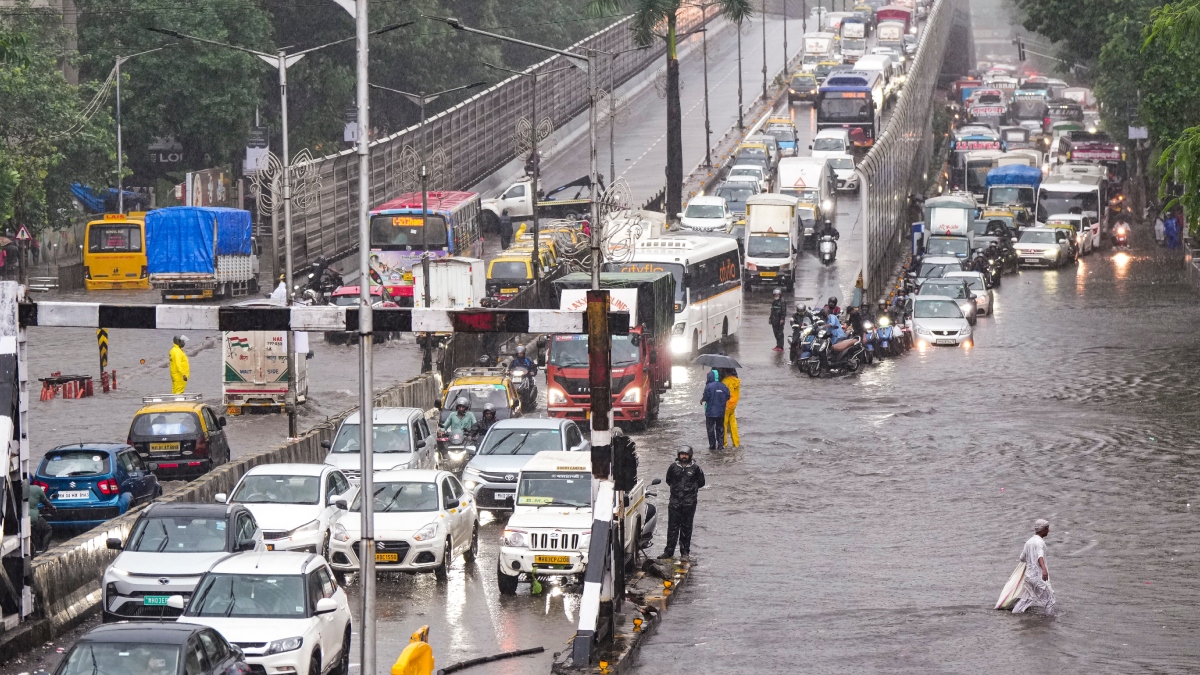
The monsoon season in Mumbai, while a much-anticipated relief from the sweltering summer heat, often brings with it a familiar sense of dread and disruption. The city's infrastructure, perpetually strained and struggling to keep pace with its burgeoning population, routinely buckles under the weight of torrential rainfall. The recent episode, characterized by a red alert issued by the India Meteorological Department (IMD) and the subsequent paralysis of essential services, serves as yet another stark reminder of Mumbai's vulnerability to extreme weather events. The closure of offices, the suspension of metro services, the delays in train schedules, and the widespread waterlogging paint a vivid picture of a city brought to its knees by the sheer force of nature, exacerbated by systemic inadequacies in urban planning and disaster preparedness. The IMD's red alert, signaling the expectation of extremely heavy rainfall and thunderstorms across Mumbai, Thane, Raigad, and Ratnagiri, prompted immediate action from authorities, including the directive for offices to close early in an attempt to mitigate potential risks to commuters and employees. While this measure undoubtedly prioritized safety, it also underscored the significant economic impact of such disruptions, as businesses grapple with lost productivity and the logistical challenges of managing a workforce scattered across the city during adverse weather conditions. The suspension of Mumbai Metro services, particularly between Acharya Atre Chowk and Worli, exposed critical flaws in the city's underground infrastructure. The collapse of an RCC water-retaining wall at the Acharya Atre Chowk station, allowing water from an adjoining utility to flood the under-construction station, raised serious questions about the quality of construction and the adequacy of monsoon preparedness measures. The Mumbai Metro Rail Corporation's (MMRC) explanation that the suspension was a precautionary measure to ensure passenger safety, while understandable, failed to fully address the underlying concerns regarding the structural integrity of the metro line and the potential for future incidents. The images and videos circulating on social media, depicting waterlogged platforms, leaking escalators, and collapsed ceiling panels, served as a damning indictment of the city's ability to cope with even moderate levels of rainfall, let alone the extreme conditions predicted by the IMD. The disruption to suburban rail services, particularly on the Central Railway line, further compounded the transportation woes. Waterlogging on tracks at key stations such as Masjid, Byculla, Dadar, Matunga, and Badlapur caused significant delays and disruptions during the morning rush hour, leaving thousands of commuters stranded and struggling to reach their destinations. While Western Railway services were less affected, the overall impact on the city's transportation network was undeniable, highlighting the urgent need for improved drainage systems and more resilient infrastructure. The impact extended beyond land-based transportation, with flight operations at Mumbai International Airport also affected due to thunderstorms. Air India issued a travel advisory urging passengers to check their flight status before heading to the airport, acknowledging the severe impact of the weather on flight schedules. This disruption not only inconvenienced travelers but also had broader implications for the city's economy, as businesses and individuals relying on air travel faced delays and cancellations. The widespread waterlogging in low-lying areas, including King's Circle, Mantralaya, Dadar TT East, Parel TT, Kalachowki, and Chinchpokli, underscored the city's chronic drainage problems. The resulting traffic snarls and disruptions on roads leading to major hubs like Chhatrapati Shivaji Maharaj Terminus (CST) caused long delays for commuters, further exacerbating the transportation chaos. The Brihanmumbai Municipal Corporation (BMC) recorded the highest rainfall in the city at Nariman Point, with a staggering 104 mm of rain, highlighting the localized intensity of the downpour and the challenges faced by civic authorities in managing such extreme weather events. The combination of heavy rainfall, infrastructure failures, and inadequate disaster preparedness measures resulted in a cascade of disruptions that affected not only transportation but also daily life, with power outages and flooding becoming major concerns. Civic authorities are undoubtedly working to clear the waterlogged roads and restore normalcy as soon as possible, but the underlying issues require a more comprehensive and long-term approach. The ongoing monsoon conditions in Mumbai have once again exposed the city's vulnerability to sudden and extreme weather events, prompting calls for a reassessment of flood management strategies and infrastructure preparedness for future storms. This reassessment must include a thorough evaluation of the city's drainage systems, the quality of construction in underground infrastructure projects, and the effectiveness of disaster response plans. Furthermore, it must involve a collaborative effort between government agencies, private sector stakeholders, and community organizations to ensure that Mumbai is better equipped to withstand the challenges of climate change and extreme weather events. The future resilience of Mumbai depends on its ability to learn from past mistakes and to invest in a sustainable and equitable urban development model that prioritizes the well-being and safety of its citizens.
The core issue highlighted by these recurring events isn't solely the intensity of the rainfall, though that is certainly a contributing factor. The more significant problem lies in the inadequate infrastructure and urban planning that fails to account for the city's unique geographical vulnerabilities. Mumbai, a city built on reclaimed land with a complex network of creeks and rivers, is inherently prone to flooding. Decades of unchecked development, encroachment on natural drainage channels, and insufficient investment in drainage systems have exacerbated this inherent vulnerability. The city's drainage system, largely unchanged since the colonial era, is simply incapable of handling the volume of water generated by heavy rainfall. Many of the city's drains are clogged with garbage and debris, further reducing their capacity. The encroachment on natural drainage channels, such as rivers and creeks, has further restricted the flow of water, leading to widespread flooding. Illegal construction on floodplains has also increased the city's vulnerability, as these structures are often the first to be inundated during heavy rainfall. The lack of proper urban planning has also contributed to the problem. High-density development in low-lying areas has increased the risk of flooding, as these areas are more susceptible to waterlogging. The construction of roads and buildings without adequate drainage has also exacerbated the problem, as these structures can block the natural flow of water. The recent incident involving the Mumbai Metro highlights the importance of quality construction and proper monsoon preparedness. The collapse of the water-retaining wall at the Acharya Atre Chowk station exposed serious flaws in the construction of the underground metro line. The fact that water from an adjoining utility was able to flood the station suggests that the project was not adequately designed to withstand heavy rainfall. The incident also raises questions about the oversight and quality control processes in place for major infrastructure projects. The government needs to prioritize investments in improving the city's drainage system. This includes cleaning and desilting existing drains, constructing new drains, and restoring natural drainage channels. The government also needs to enforce stricter regulations on construction in floodplains and low-lying areas. Furthermore, the government needs to invest in better forecasting and warning systems. This will allow citizens to prepare for heavy rainfall events and take steps to protect themselves and their property. The IMD's red alert was a valuable warning, but the city needs to improve its ability to disseminate these warnings to the public in a timely and effective manner. In addition to government action, individual citizens also have a role to play in mitigating the impact of heavy rainfall. Citizens can help by avoiding littering and keeping drains clear. They can also help by conserving water and reducing their consumption of plastic. By working together, government, private sector, and citizens can help to make Mumbai a more resilient city.
The recurring monsoon-related disruptions in Mumbai also raise broader questions about the city's long-term sustainability. As climate change intensifies and extreme weather events become more frequent, Mumbai's vulnerability will only increase. The city needs to adopt a more proactive and holistic approach to urban planning and disaster preparedness. This includes investing in green infrastructure, such as parks and green roofs, which can help to absorb rainwater and reduce runoff. It also includes promoting sustainable transportation options, such as public transit and cycling, which can reduce traffic congestion and air pollution. The city also needs to improve its disaster response capabilities. This includes developing better evacuation plans, training emergency responders, and stockpiling supplies. The government needs to work with community organizations to educate citizens about disaster preparedness and to build community resilience. Furthermore, the government needs to address the underlying social and economic inequalities that make some communities more vulnerable to the impacts of climate change. Low-income communities are often located in low-lying areas that are more prone to flooding. These communities also often lack the resources to prepare for and recover from disasters. The government needs to invest in improving housing, infrastructure, and social services in these communities. This will help to reduce their vulnerability to climate change and to build a more equitable and sustainable city. The challenges facing Mumbai are not unique. Many other cities around the world are grappling with the impacts of climate change and extreme weather events. However, Mumbai's unique geographical vulnerabilities and its rapid population growth make it particularly susceptible. The city needs to learn from the experiences of other cities and to adopt best practices in urban planning and disaster preparedness. The future of Mumbai depends on its ability to adapt to the challenges of climate change and to build a more resilient and sustainable city. This will require a concerted effort from government, private sector, and citizens. It will also require a willingness to embrace innovation and to challenge the status quo. The city has the potential to become a model for sustainable urban development, but it needs to act now to address its vulnerabilities and to build a more resilient future.
Beyond the immediate response to the monsoon's impact, there lies a deeper need for systemic change in how Mumbai approaches its urban development and infrastructure management. The reactive measures, while necessary, are merely band-aids on a wound that requires fundamental surgery. The city's reliance on outdated infrastructure, coupled with a relentless pursuit of development that often disregards environmental considerations, has created a precarious situation where even moderate rainfall can trigger widespread chaos. A critical aspect of this change involves a shift in mindset, from viewing the monsoon as a disruptive force to recognizing it as an integral part of the city's ecosystem. Instead of solely focusing on drainage and flood control, the city needs to embrace nature-based solutions that work with the monsoon, rather than against it. This could involve restoring natural wetlands, creating green spaces that absorb rainwater, and implementing permeable paving materials that allow water to seep into the ground. Furthermore, the city needs to adopt a more integrated approach to urban planning, where infrastructure investments are aligned with environmental sustainability and social equity. This means prioritizing projects that benefit all communities, rather than solely focusing on the needs of the wealthy. It also means ensuring that new developments are designed to be resilient to climate change, with features such as rainwater harvesting systems and green roofs. The monsoon's impact also highlights the importance of community participation in disaster preparedness. Local residents are often the first responders in a crisis, and their knowledge of their neighborhoods can be invaluable in identifying vulnerable areas and developing effective response strategies. The city needs to empower communities to participate in disaster planning and to provide them with the resources they need to prepare for and respond to emergencies. This could involve training community leaders, establishing neighborhood emergency response teams, and providing access to emergency supplies. Finally, the city needs to invest in education and awareness campaigns to promote a culture of resilience. Citizens need to be informed about the risks they face, and they need to be empowered to take action to protect themselves and their communities. This could involve educating children about disaster preparedness in schools, conducting public awareness campaigns about flood safety, and providing access to information about climate change and its impacts. The challenges facing Mumbai are complex and multifaceted, but they are not insurmountable. By embracing a more proactive, holistic, and community-driven approach, the city can build a more resilient and sustainable future. The monsoon's recurring disruptions serve as a wake-up call, urging the city to confront its vulnerabilities and to take the necessary steps to create a more livable and equitable environment for all its citizens. The transformation will not be easy, but the long-term benefits of a more resilient Mumbai are well worth the effort.