
 |
|
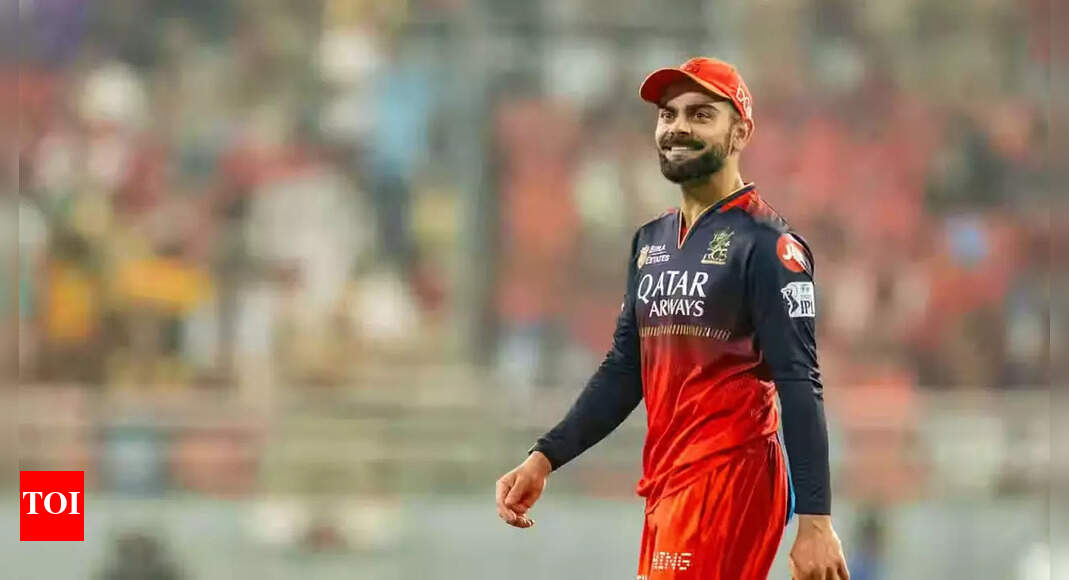
The Royal Challengers Bengaluru's (RCB) dominant victory over Punjab Kings in Qualifier 1 of the Indian Premier League (IPL) has been somewhat overshadowed by a controversy surrounding Virat Kohli. While RCB fans are celebrating their team's first final appearance since 2016, a heated debate has ignited on social media concerning Kohli's alleged remarks directed at Musheer Khan, the young Punjab Kings debutant. The incident, which occurred as Musheer entered the field as an Impact Substitute, has raised questions about sportsmanship and the pressure faced by young players entering high-stakes tournaments like the IPL. The match itself was a one-sided affair, with RCB dismantling Punjab Kings’ aggressive batting approach and securing a comfortable eight-wicket victory. Punjab Kings, opting for an ultra-aggressive style of play, ultimately succumbed to the pressure and were dismissed for a mere 101 runs in just 14.1 overs. RCB, driven by a strong desire to finally secure their maiden IPL title after reaching the finals in 2009, 2011, and 2016, made quick work of the modest target. Phil Salt's explosive innings of 56 not out off just 27 balls guided RCB to victory in a mere 10 overs. This victory propelled RCB into the title clash scheduled for June 3rd in Ahmedabad. Punjab Kings, despite their defeat, still have a chance to reach the final through Qualifier 2, also to be held in Ahmedabad on June 1st, giving them another opportunity to compete for the coveted IPL trophy. However, the conversation has shifted from the on-field performance to the off-field controversy. The incident involving Virat Kohli and Musheer Khan has become the subject of widespread discussion and scrutiny.
The controversy arose from Kohli’s perceived reaction to Musheer Khan entering the field as an Impact Substitute. According to reports and social media discussions, Kohli was seen gesturing and allegedly heard calling Musheer a 'water-boy,' referencing the youngster having carried drinks earlier in the innings. This alleged remark, along with the accompanying gestures, has been interpreted by many as disrespectful and inappropriate, especially considering Musheer's debut IPL appearance. The term 'water-boy' is often used to denote a player who is primarily involved in carrying drinks and providing support from the sidelines rather than being an active participant in the game. Using this term, even if intended playfully, can be seen as belittling a player's contribution and highlighting their subordinate role within the team. Given Kohli's status as a senior player and a role model for many young cricketers, his actions have been viewed with particular severity. Matthew Hayden, commentating on the match at the time, also noted Kohli's gesture, remarking, "Look at Virat Kohli at the first slip. Just letting him know that he's a debutant in a pretty big match. He's saying, 'who is this guy?'" Hayden's observation further amplified the controversy, bringing it to the attention of a wider audience. While Hayden's interpretation was somewhat neutral, simply highlighting Kohli's questioning demeanor, it still contributed to the overall perception that Kohli's behavior was unusual and possibly disrespectful. The commentary box further discussed the incident, with Harsha Bhogle suggesting a cheeky response from Musheer, referencing his brother Sarfaraz Khan's accomplishments and shared dressing room with Kohli. This light-hearted suggestion aimed to diffuse the tension but also underscored the awkwardness of the situation.
The debate surrounding Kohli's actions highlights the intense scrutiny and pressure that professional athletes face, particularly in high-profile tournaments like the IPL. Every gesture, every word, is closely analyzed and often amplified by social media. While Kohli is known for his passionate and aggressive on-field demeanor, which many fans appreciate, this incident has led to a re-evaluation of the line between spirited competition and unsportsmanlike conduct. Some argue that Kohli's remarks were harmless banter, intended to unsettle the young debutant and gain a psychological advantage. They point to his overall passion for the game and his competitive spirit as mitigating factors. Others argue that regardless of intent, such remarks are inappropriate and can have a detrimental impact on a young player's confidence and self-esteem. The pressure of performing in the IPL is already immense, and adding to that pressure with perceived disrespect from senior players can be extremely challenging. The incident also raises broader questions about the treatment of young players in professional sports. Often, young athletes entering high-pressure environments are expected to immediately perform at the highest level while also navigating complex social dynamics and hierarchical structures within their teams. Ensuring that these young players are supported and protected from undue pressure and potential mistreatment is crucial for their long-term development and well-being. Furthermore, it underscores the importance of role models in sports, especially those who have achieved significant success. How they interact with and treat younger players significantly impacts the overall culture of sports and influences future generations.
Beyond the immediate controversy, this incident serves as a reminder of the evolving landscape of sports and the increasing importance of social media in shaping public perception. The rapid dissemination of information and the instant feedback loop provided by platforms like Twitter and Facebook mean that even minor incidents can quickly escalate into major controversies. Athletes, therefore, need to be increasingly mindful of their actions and words, both on and off the field. They also need to be prepared to address and respond to criticism in a constructive and transparent manner. The role of commentators and media outlets in shaping public opinion is also significant. While it is their responsibility to report on newsworthy events, they also need to be mindful of the potential impact of their commentary and avoid sensationalizing incidents or drawing premature conclusions. A balanced and nuanced approach is crucial in ensuring fair and accurate reporting. As the IPL continues to grow in popularity and reach, it is essential that the league and its stakeholders address issues of sportsmanship and player conduct proactively. Implementing clear guidelines and codes of conduct, providing educational programs for players and coaches, and establishing mechanisms for reporting and addressing incidents of misconduct can all contribute to a more positive and respectful environment. Ultimately, the success of the IPL depends not only on the quality of the cricket but also on the integrity and values that it promotes. Maintaining a culture of respect, fair play, and inclusivity is essential for ensuring the long-term sustainability and growth of the league. The ongoing debate surrounding the Kohli-Musheer incident provides an opportunity for reflection and improvement, ultimately contributing to a more positive and ethical environment in the world of cricket. The incident also raises awareness of the importance of mentorship and guidance that senior players can provide to youngsters. Encouraging experienced players to act as role models and provide support to the new generation can help foster a more positive and inclusive environment within sports teams.
Source: 'Who is this guy?': Virat Kohli's reaction on 'impact player' Musheer Khan goes viral