
 |
|
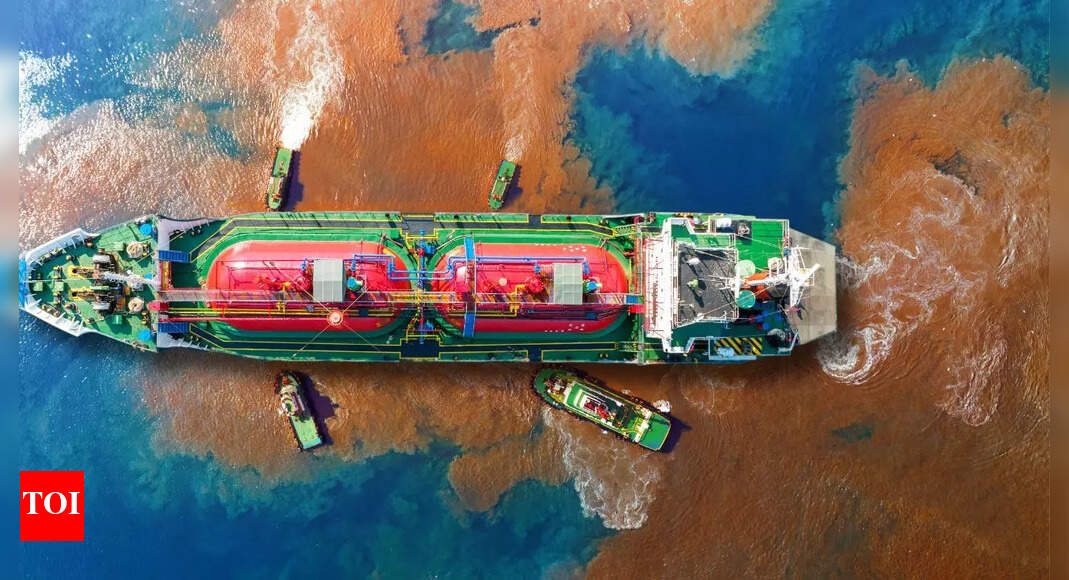
The sinking of the MSC ELSA 3 container ship near Kochi represents a serious environmental and economic threat to the Kerala coast. The incident underscores the vulnerabilities of coastal regions to shipping accidents, particularly when vessels are carrying hazardous materials. The Arabian Sea's importance as a biodiversity hotspot and a crucial source of livelihood for numerous fishing families makes this situation particularly alarming. The potential spillage of fuel, chemicals, and reactive compounds like calcium carbide could have long-lasting and devastating consequences for the region's delicate marine ecosystems and the communities that depend on them. The urgency of the situation is amplified by the reactive nature of calcium carbide, which poses a significant risk if it comes into contact with water. The immediate concern lies in preventing and mitigating any leaks from the sunken vessel and the drifting containers, necessitating a coordinated response from various agencies and the active participation of coastal communities. The long-term effects of such a spill could include widespread damage to marine life, contamination of fishing grounds, disruption of tourism, and significant economic losses for the region. The incident serves as a stark reminder of the need for stricter regulations and enhanced safety measures for shipping operations in sensitive marine environments. Furthermore, it highlights the importance of preparedness and rapid response capabilities to effectively manage and minimize the impact of maritime accidents. The incident near Kochi is not an isolated case; it is part of a larger global challenge of managing the risks associated with increasing maritime traffic and the transportation of hazardous materials across the world's oceans. The environmental consequences of shipping accidents can be far-reaching and long-lasting, often impacting multiple countries and ecosystems. The need for international cooperation and collaboration in developing and implementing effective prevention and response strategies is therefore paramount. This includes strengthening regulations on ship safety, improving vessel tracking and monitoring systems, enhancing spill response capabilities, and promoting sustainable shipping practices. In addition, raising awareness among shipping companies, port authorities, and coastal communities about the risks associated with maritime transport is essential for fostering a culture of safety and environmental responsibility. The incident in Kochi also raises questions about the adequacy of existing compensation mechanisms for environmental damage caused by shipping accidents. Ensuring that those responsible for causing pollution are held accountable and that adequate resources are available to compensate affected communities and restore damaged ecosystems is crucial for promoting environmental justice and deterring future incidents. The long-term ecological and economic consequences of the Kochi shipwreck will depend on the effectiveness of the response efforts and the resilience of the marine ecosystems affected. Continuous monitoring of water quality, marine life, and coastal habitats will be essential for assessing the extent of the damage and guiding restoration efforts. Engaging local communities in the monitoring and restoration process is also important for ensuring that their concerns and needs are addressed and that they are empowered to participate in the long-term management of the coastal environment. The Kochi incident underscores the interconnectedness of environmental protection, economic development, and social well-being in coastal regions. A holistic approach to maritime governance that integrates environmental considerations into all aspects of shipping operations, port management, and coastal development is essential for ensuring the long-term sustainability of these vital ecosystems and the communities that depend on them. This requires a commitment to innovation, collaboration, and continuous improvement in all aspects of maritime safety and environmental protection. The incident is a clarion call for improved environmental policies and infrastructure in India, ensuring that such disasters are minimized, and responses are swift and effective. This includes regular drills and training for the coast guard, disaster management authorities, and local communities. Investment in modern equipment for detecting and containing spills, as well as specialized vessels and personnel, is paramount. Strengthening international collaborations for information sharing and technical assistance during such emergencies will enhance the capacity to handle major environmental incidents effectively. Furthermore, a rigorous framework for inspecting and monitoring ships carrying hazardous materials is essential. This framework should ensure that ships meet international safety standards and are equipped to handle potential emergencies. The involvement of local communities in environmental stewardship is equally critical. Empowering communities with knowledge about potential environmental risks and training them in basic response measures will foster a sense of ownership and collective responsibility. Regular awareness campaigns and educational programs should be conducted to inform the public about the dangers of pollution and the importance of protecting the marine environment. The lessons learned from the Kochi shipwreck should serve as a catalyst for strengthening environmental governance and promoting sustainable maritime practices in India. By adopting a proactive and comprehensive approach, the nation can minimize the risk of future disasters and ensure the long-term health and resilience of its coastal ecosystems and the communities that depend on them.
The potential risks posed by the spillage from the MSC ELSA 3 are multifaceted and could have devastating consequences for the marine environment and coastal communities. The most immediate and significant threat comes from the release of the hazardous materials onboard the ship, particularly the diesel fuel, furnace oil, and calcium carbide. Diesel and furnace oil spills can cause widespread pollution of the water column and coastal habitats, leading to the death of marine organisms, contamination of seafood, and disruption of marine ecosystems. The oil can smother marine life, coat shorelines, and contaminate sediments, making them unsuitable for habitation. Fish, seabirds, marine mammals, and other wildlife can be severely affected, leading to long-term population declines and ecosystem imbalances. The economic consequences of oil spills can be substantial, including losses to the fishing industry, tourism, and other coastal businesses. Cleanup efforts can be costly and time-consuming, and the long-term recovery of affected areas can take years or even decades. The presence of calcium carbide adds another layer of complexity and risk to the situation. When calcium carbide comes into contact with water, it reacts violently to produce acetylene gas, which is highly flammable and explosive. This reaction can pose a significant fire and explosion hazard, both on the water and on the shoreline. In addition, the reaction also produces calcium hydroxide, which is an alkaline substance that can alter the pH of the water and harm aquatic life. The release of calcium hydroxide can lead to the acidification of the water, which can be particularly harmful to shellfish, corals, and other marine organisms that are sensitive to changes in pH. The drifting containers that have been spotted near the wreck also pose a threat to navigation and coastal communities. These containers may contain hazardous materials or other cargo that could be harmful if they wash ashore. The authorities have issued warnings to the public to avoid contact with any containers or materials that may be found on the beach, but there is still a risk that people could be exposed to harmful substances. In addition to the immediate risks posed by the spillage, there are also potential long-term consequences for the marine environment and coastal communities. The accumulation of pollutants in the sediments can lead to chronic exposure of marine organisms to harmful substances, which can affect their health, reproduction, and survival. The disruption of marine ecosystems can also have cascading effects on the food web, leading to declines in fish populations and other marine resources. The long-term economic consequences of the spillage could include losses to the fishing industry, tourism, and other coastal businesses. The cleanup and restoration of affected areas can be costly and time-consuming, and the long-term recovery of the marine environment may take years or even decades. Therefore, the potential risks posed by the spillage from the MSC ELSA 3 are significant and require a coordinated and comprehensive response to minimize the damage and protect the marine environment and coastal communities.
The response to the sinking of the MSC ELSA 3 highlights the importance of preparedness and rapid response capabilities in managing maritime emergencies. The prompt action by the Indian Coast Guard (ICG) and Navy in rescuing the crew members and deploying pollution control vessels and surveillance aircraft is commendable. However, the incident also underscores the need for further strengthening the nation's maritime emergency response infrastructure and capabilities. This includes investing in advanced oil spill detection and containment equipment, training personnel in spill response techniques, and developing comprehensive contingency plans for different types of maritime emergencies. The establishment of a national maritime emergency response center could also help to coordinate and streamline response efforts in the event of a major incident. The involvement of the Kerala State Disaster Management Authority (KSDMA) in issuing public warnings and coordinating response efforts is also crucial. Engaging local communities in the monitoring and cleanup process is essential for ensuring that their concerns and needs are addressed and that they are empowered to participate in the long-term management of the coastal environment. The incident also highlights the importance of international cooperation in managing maritime emergencies. The sharing of information and resources between countries can be critical in responding to major spills and protecting shared marine resources. International agreements and protocols can provide a framework for cooperation and coordination in the event of a transboundary spill. The sinking of the MSC ELSA 3 serves as a reminder of the risks associated with maritime transport and the need for continuous vigilance and preparedness. By learning from this incident and investing in improved safety measures and response capabilities, India can better protect its marine environment and coastal communities from the devastating consequences of maritime accidents. Furthermore, a comprehensive risk assessment of shipping routes and vessels carrying hazardous materials should be undertaken to identify potential vulnerabilities and develop targeted mitigation strategies. This assessment should consider factors such as vessel traffic density, weather conditions, navigational hazards, and the sensitivity of marine ecosystems. The implementation of stricter regulations on vessel maintenance and inspection, as well as enhanced training and certification requirements for seafarers, can also help to reduce the risk of accidents. In addition, the development of alternative shipping routes that avoid sensitive marine areas can minimize the potential impact of spills. The promotion of sustainable shipping practices, such as the use of cleaner fuels and energy-efficient technologies, can also contribute to reducing the overall environmental footprint of maritime transport. Finally, the establishment of marine protected areas can help to safeguard vulnerable ecosystems and provide refuge for marine life in the event of a spill. By adopting a proactive and comprehensive approach to maritime safety and environmental protection, India can ensure the long-term health and resilience of its coastal ecosystems and the communities that depend on them.