
 |
|
The unfolding legal battle between Harvard University and the Trump administration over the enrollment of international students presents a compelling case study in the intersection of immigration policy, higher education autonomy, and constitutional rights. The initial action by the Department of Homeland Security (DHS) to revoke Harvard's certification under the Student and Exchange Visitor Program (SEVP) sent shockwaves through the academic community, both domestically and internationally. This move, which would have effectively barred Harvard from enrolling non-US students, was met with immediate and forceful opposition from the university, which argued that the administration's actions were not only procedurally flawed but also a blatant violation of free speech and due process rights. The judge's decision to issue an injunction blocking the Trump administration's efforts signals a critical check on executive power and reaffirms the importance of protecting the rights of international students to pursue education in the United States. The case highlights the administration's increasingly aggressive stance towards higher education institutions and its willingness to use immigration policy as a tool to exert pressure on universities that do not align with its political agenda.
The legal arguments presented by Harvard's lawyers centered on the assertion that the administration's revocation of the university's SEVP certification was arbitrary and capricious, lacking any legitimate basis in law or fact. They argued that the decision was motivated by a desire to retaliate against Harvard for its refusal to comply with overly broad and intrusive demands for information about its international students, including their disciplinary records, addresses, contact information, and details about their coursework. The university maintained that these demands were a violation of student privacy and academic freedom, and that complying with them would set a dangerous precedent for government interference in higher education. The lawyers also argued that the administration's actions violated the due process rights of international students, who were given little or no notice of the impending revocation and were not provided with an adequate opportunity to challenge the decision. The judge's decision to grant the injunction suggests that she found these arguments persuasive and that she believes Harvard has a strong likelihood of prevailing on the merits of its case.
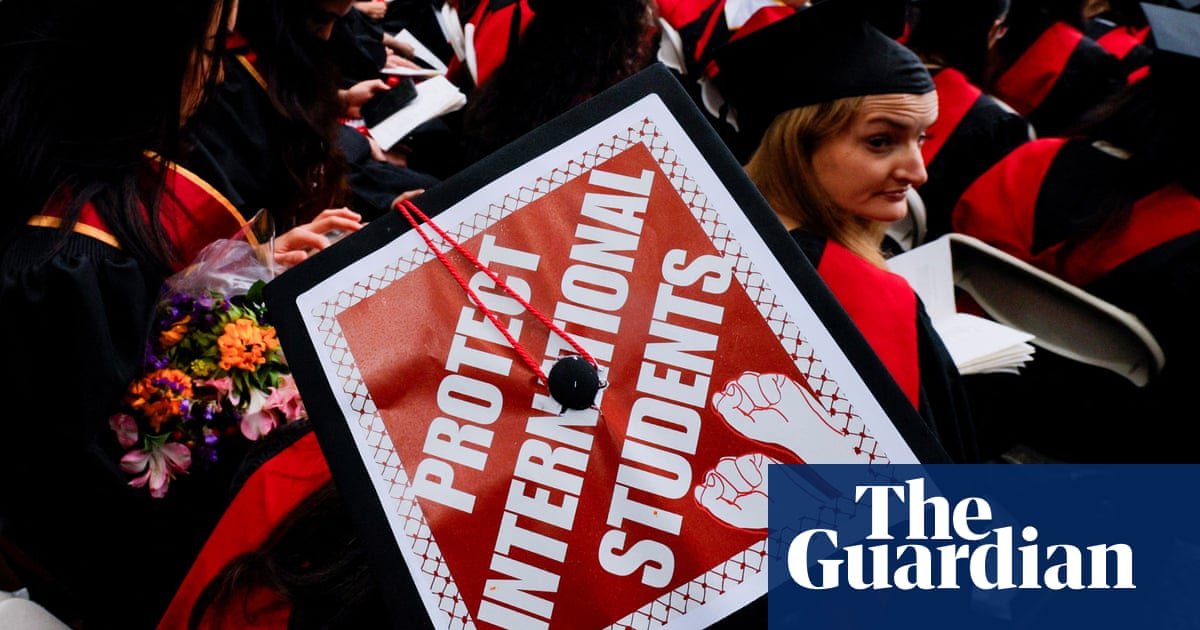
The impact of the Trump administration's actions on international students cannot be overstated. The uncertainty and fear generated by the revocation announcement caused significant emotional distress among students, many of whom were already struggling with the challenges of studying in a foreign country. Students reported being afraid to attend their own graduation ceremonies out of fear of immigration-related repercussions, and many were forced to reconsider their plans to study in the US altogether. The administration's actions also had a chilling effect on foreign universities, some of which began actively recruiting Harvard students away from the US, further eroding the country's reputation as a welcoming and supportive environment for international students. The loss of international students would have significant economic and intellectual consequences for the United States, as these students contribute billions of dollars to the economy and bring valuable perspectives and expertise to American universities. The case thus represents a broader concern about the future of international education in the United States and the country's ability to attract and retain talented students from around the world.
The political context surrounding this legal battle is also significant. The Trump administration had a history of clashing with higher education institutions, particularly those perceived as being politically liberal or out of step with its conservative agenda. The administration's decision to cut or freeze billions of dollars in federal grants and contracts with Harvard, allegedly in response to the university's refusal to comply with its demands, underscores this adversarial relationship. The administration's allegations that Harvard was engaged in "pro-terrorist conduct" and "coordinating with Chinese Communist Party officials" further fueled the controversy and suggested that the administration's actions were motivated by political considerations rather than legitimate concerns about national security. The case thus serves as a reminder of the importance of protecting academic freedom and ensuring that higher education institutions are not subject to political interference.
Furthermore, Kristi Noem's statement doubled down on unsubstantiated allegations, reveals a concerning level of animosity and disregard for due process. Accusations of "pro-terrorist conduct," "encouraging and allowing antisemitic and anti-American violence,” and “coordinating with Chinese Communist Party officials” are not only inflammatory but also lack credible evidence. Such rhetoric risks further alienating international students and scholars, undermining the United States' reputation as a welcoming and tolerant nation. It also politicizes the issue of immigration, making it more difficult to find common ground and implement sensible policies. The reliance on unsubstantiated claims also raises questions about the motivations behind the administration's actions, suggesting that they may be driven by ideological biases rather than legitimate concerns about national security or compliance with regulations.
In conclusion, the legal battle between Harvard University and the Trump administration over the enrollment of international students is a complex and multifaceted issue with significant implications for higher education, immigration policy, and constitutional rights. The judge's decision to issue an injunction blocking the administration's efforts represents a victory for Harvard and a reaffirmation of the importance of protecting the rights of international students. However, the case is far from over, and the ultimate outcome will likely depend on the legal arguments presented and the political climate in which the case is decided. Regardless of the outcome, the case serves as a valuable lesson about the importance of defending academic freedom, protecting the rights of international students, and ensuring that government actions are based on sound legal principles and not on political considerations. This case highlights the necessity for a nuanced approach to immigration policy, one that balances national security concerns with the imperative of attracting and retaining talented individuals from around the world, who contribute to the intellectual, economic, and cultural vitality of the United States. The future of international education in the United States depends on fostering a welcoming and supportive environment for students from all backgrounds and ensuring that their rights are protected under the law.
Source: Judge expands order protecting Harvard from Trump block on enrolling international students