
 |
|
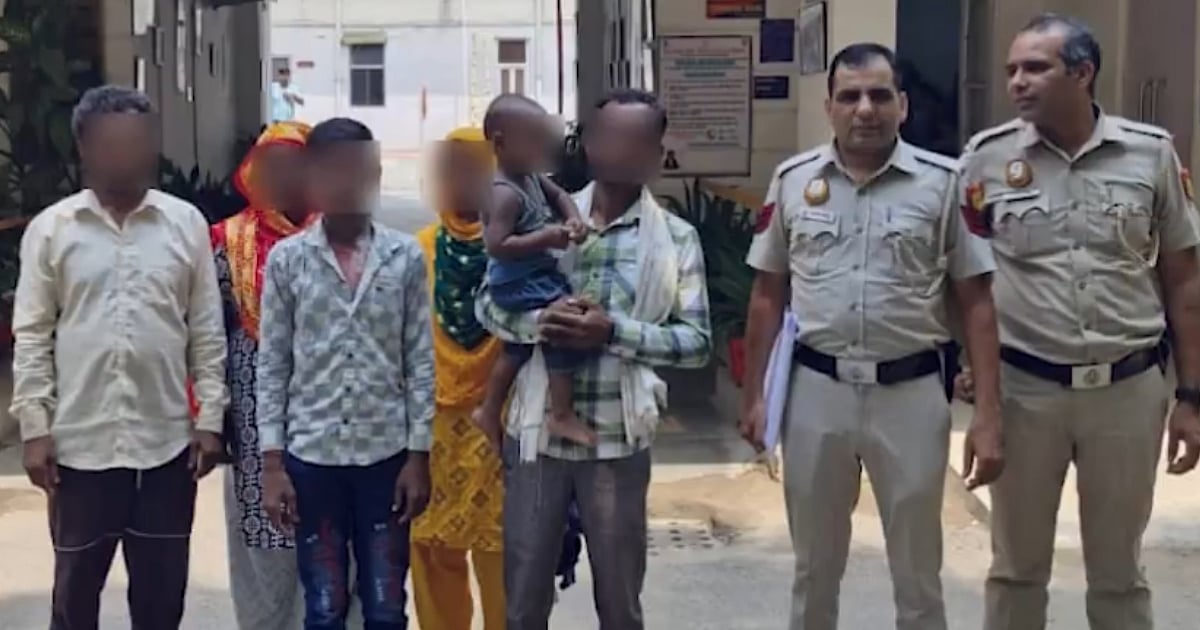
The apprehension of nine Bangladeshi nationals, including three minors, by Delhi Police highlights the ongoing issue of illegal immigration and the challenges faced by law enforcement in managing undocumented populations. The two separate operations, one in Narela and the other in Anand Vihar, demonstrate a proactive approach by the police in identifying and detaining individuals residing in India without valid documentation. This action is part of a larger special drive, initiated on November 19th of the previous year, aimed at curbing illegal immigration within the jurisdiction of Delhi Police. The article reveals that these individuals entered India illegally, some during childhood with their parents who later returned to Bangladesh, and others more recently through unauthorized riverine routes. Their presence in India without legal authorization raises several questions regarding border security, immigration policies, and the socio-economic factors driving individuals to migrate illegally. The fact that some of the apprehended individuals had been moving across various cities in search of work further underscores the economic motivations behind their migration and the difficulties they face in securing stable employment within India's formal labor market. The digital evidence recovered from their mobile phones, confirming their Bangladeshi identity, played a crucial role in establishing their illegal status. The deportation of these individuals is a standard procedure in cases of illegal immigration, but it also raises ethical considerations about the treatment of vulnerable populations, particularly the children involved. The long-term solution to this issue requires a multi-faceted approach that addresses the root causes of migration, strengthens border security measures, and implements effective strategies for managing undocumented populations within India. This incident also underscores the need for closer cooperation between India and Bangladesh in addressing the issue of illegal immigration and ensuring the safety and security of both nations. The successful execution of these operations by Delhi Police demonstrates the importance of intelligence gathering and proactive policing in combating illegal immigration. However, it is crucial to ensure that such operations are conducted in a humane and respectful manner, upholding the rights and dignity of all individuals involved. Further investigations into these cases are necessary to uncover any potential networks facilitating illegal immigration and to prevent future occurrences. The broader implications of this incident extend beyond the immediate deportation of these individuals. It highlights the challenges faced by law enforcement in identifying and managing undocumented populations, particularly in urban areas with large migrant populations. The issue of illegal immigration is a complex one, with economic, social, and political dimensions. Addressing this issue effectively requires a comprehensive and coordinated approach that involves various government agencies, civil society organizations, and international partners. The focus should be on addressing the root causes of migration, strengthening border security measures, and providing support to vulnerable populations. It is also important to ensure that immigration policies are fair, transparent, and in accordance with international human rights standards. The apprehension of these nine Bangladeshi nationals serves as a reminder of the ongoing challenges faced by India in managing its borders and addressing the issue of illegal immigration. It also underscores the importance of international cooperation in addressing this complex global issue.
The case of Hafijul, Mominul, Shamim, and Inamul, who entered India during childhood with their parents and later remained in the country without legal authorization, raises complex questions about the responsibility of the state towards undocumented children. While the law mandates deportation for illegal immigrants, the welfare of children who have spent a significant portion of their lives in India must also be considered. Such children may have limited or no connections to Bangladesh and may face significant challenges in adapting to a new environment. The international conventions on the rights of the child emphasize the importance of considering the best interests of the child in all decisions affecting their lives. This principle should guide the approach towards undocumented children, ensuring that their rights and welfare are protected. The lack of identity documents among these individuals highlights the importance of providing accessible and affordable pathways to legal documentation for vulnerable populations. Many individuals may lack access to the resources and information necessary to navigate complex bureaucratic procedures. Providing assistance and support to these individuals can help them regularize their status and avoid becoming vulnerable to exploitation and abuse. The fact that these individuals moved across various cities in search of work underscores the economic desperation that drives many undocumented migrants to seek employment in India. They often face precarious working conditions and are vulnerable to exploitation by unscrupulous employers. Addressing the economic factors that drive illegal immigration requires creating more opportunities for legal migration and ensuring that all workers, regardless of their immigration status, are protected under labor laws. The role of digital evidence in confirming the Bangladeshi identity of the apprehended individuals highlights the growing importance of technology in immigration enforcement. However, it is crucial to ensure that the use of technology is consistent with privacy rights and other fundamental freedoms. The collection and analysis of digital data should be subject to strict safeguards to prevent abuse and ensure that the rights of individuals are protected. The special drive launched by Delhi Police to identify and act against illegal immigrants reflects a broader trend towards stricter immigration enforcement in many countries around the world. However, it is important to ensure that such enforcement efforts are conducted in a humane and respectful manner, avoiding the use of discriminatory or profiling practices. The focus should be on identifying and apprehending individuals who pose a threat to public safety or national security, while protecting the rights and dignity of all individuals. The deportation of these individuals is a temporary solution to a complex problem. The long-term solution requires addressing the root causes of migration, strengthening border security measures, and implementing effective strategies for managing undocumented populations within India. It also requires closer cooperation between India and Bangladesh in addressing the issue of illegal immigration and ensuring the safety and security of both nations. The apprehension of these nine Bangladeshi nationals serves as a reminder of the ongoing challenges faced by India in managing its borders and addressing the issue of illegal immigration. It also underscores the importance of international cooperation in addressing this complex global issue.
The article's description of the individuals entering India through 'unauthorised riverine routes' points to the porous nature of the border between India and Bangladesh, particularly in areas with extensive river systems. This porosity allows for relatively easy, albeit illegal, crossing, and highlights the need for enhanced border security measures. These measures could include increased patrolling, improved surveillance technology, and closer coordination between border security forces on both sides of the border. However, it's crucial to balance security measures with the need to facilitate legitimate cross-border trade and movement of people. A heavy-handed approach to border control can disrupt economic activity and create hardship for communities living in border areas. The mention of 'sustained ground-level intelligence' being used to apprehend the individuals in Narela indicates the importance of local knowledge and community engagement in identifying and combating illegal immigration. Building trust with local communities can help law enforcement agencies gather valuable information and effectively target illegal activities. This approach is more likely to be successful than relying solely on reactive enforcement measures. The fact that the four men apprehended in Narela had been working in various cities before being caught highlights the difficulty of tracking and managing undocumented migrants within India. Once individuals enter the country illegally, they can easily blend into the vast and diverse population, making it challenging to identify and deport them. This underscores the need for a comprehensive system for identifying and registering all residents of India, which could help to prevent illegal immigration and ensure that everyone has access to essential services. The article states that 20 Bangladeshi nationals have been deported from east district since November 19th of last year. This relatively small number suggests that the overall impact of the special drive has been limited. It is possible that many more undocumented migrants remain undetected in the area, and that the current enforcement efforts are not sufficient to address the scale of the problem. A more comprehensive and sustained approach is needed to effectively deter illegal immigration and ensure the security of India's borders. The article does not provide any information about the reasons why these individuals chose to migrate illegally to India. Understanding the motivations behind illegal immigration is essential for developing effective policies to address the issue. Factors such as poverty, lack of economic opportunities, political instability, and environmental degradation in Bangladesh may be driving individuals to seek a better life in India. Addressing these underlying issues is crucial for preventing illegal immigration in the long term. The article also does not mention any efforts to provide humanitarian assistance to undocumented migrants or to protect their rights. While the law mandates deportation for illegal immigrants, it is important to ensure that they are treated with dignity and respect, and that their basic needs are met. This includes providing access to food, shelter, medical care, and legal assistance. The Indian government should also work with international organizations to develop programs to support the reintegration of deported migrants into their home communities.
Source: Nine illegal Bangladeshi nationals, including three children, detained in Delhi