
 |
|
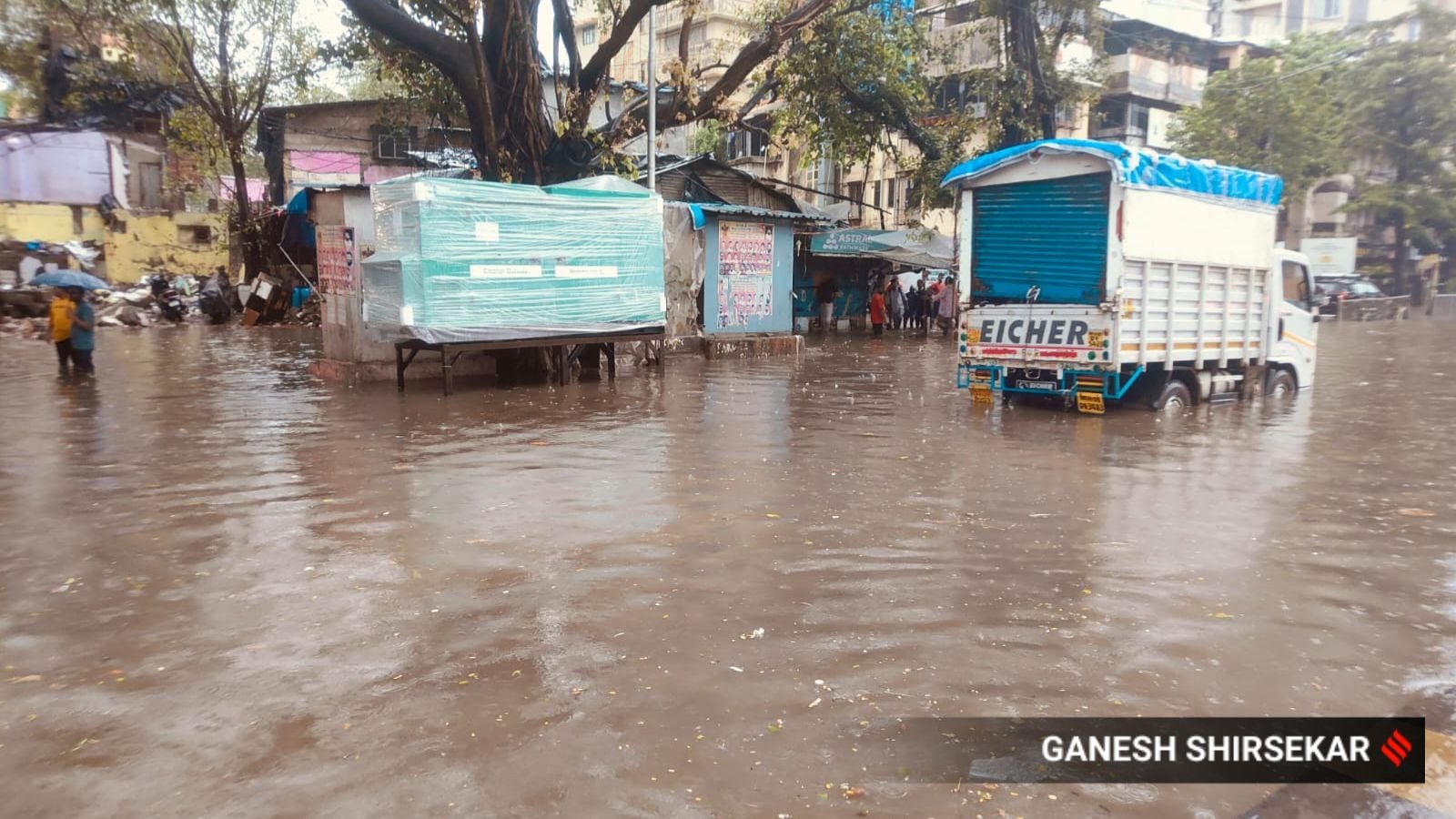
The advanced onset of the southwest monsoon in Maharashtra has brought significant rainfall to Mumbai and its surrounding suburbs, leading to widespread waterlogging and traffic disruptions. The intensity of the rainfall, with several areas recording three-digit figures within a mere 11 hours, has overwhelmed the city's drainage infrastructure, resulting in flash flooding in key locations. This has caused considerable inconvenience for residents, disrupting their daily routines and causing significant delays in commutes. The Brihanmumbai Municipal Corporation's (BMC) data reveals the severity of the downpour, with Nariman Point topping the charts at 252 mm of rainfall between midnight and 11 am on Monday. Other areas like Byculla (213 mm), Colaba (207 mm), Marine Lines (180 mm), and Worli (173 mm) also experienced exceptionally high levels of precipitation. In the suburban belt, Santacruz recorded 103 mm, followed by Bandra (101 mm), Chembur (82 mm), and Kurla (73 mm). The combined effect of this concentrated rainfall across the city has exacerbated the existing challenges of Mumbai's infrastructure, particularly its drainage system, which is often criticized for being inadequate to handle such extreme weather events. The consequences of the flooding extend beyond mere inconvenience; it poses potential health risks due to waterborne diseases and can also lead to property damage. Furthermore, the traffic snarls caused by the waterlogging not only waste valuable time but also contribute to increased air pollution due to idling vehicles. The heavy rains and their associated problems highlight the urgent need for comprehensive urban planning and infrastructure development to mitigate the impact of such events in the future. This includes investing in advanced drainage systems, improving road infrastructure, and implementing effective disaster management strategies. The resilience of Mumbai's residents is constantly tested by these recurrent monsoon-related challenges, and a proactive approach to addressing these issues is essential to ensure the city's sustainability and livability.
The impact of the heavy rainfall extends beyond immediate disruption and inconvenience, revealing underlying vulnerabilities within Mumbai's urban infrastructure and disaster preparedness. The city's drainage system, often criticized for its inadequacy, struggles to cope with the sheer volume of water during intense downpours, leading to widespread waterlogging and flooding. This situation is further compounded by the presence of encroachments along waterways and inadequate maintenance of drainage channels, which obstruct the flow of water and exacerbate the problem. Moreover, the rapid urbanization and unchecked construction in Mumbai have reduced the city's natural water absorption capacity, making it more susceptible to flooding. The consequences of these factors are evident in the traffic chaos that ensues during heavy rainfall, with vehicles stranded in waterlogged streets and commuters facing long delays. The economic impact of these disruptions can be significant, as businesses are forced to shut down, productivity is hampered, and supply chains are disrupted. Furthermore, the flooding poses serious health risks, as stagnant water becomes a breeding ground for mosquitoes and other disease-carrying vectors. The spread of waterborne diseases such as cholera and typhoid is a major concern during monsoon season, particularly in densely populated areas. Addressing these challenges requires a multi-pronged approach that involves not only improving drainage infrastructure but also implementing stricter urban planning regulations, promoting sustainable construction practices, and enhancing disaster preparedness measures. This includes investing in early warning systems, developing evacuation plans, and providing adequate resources for emergency response teams. The long-term resilience of Mumbai depends on its ability to adapt to the changing climate and mitigate the impact of extreme weather events.
The recurring nature of monsoon-related problems in Mumbai underscores the need for a fundamental shift in the city's approach to urban planning and infrastructure development. Traditional approaches that focus solely on short-term solutions and piecemeal improvements are no longer sufficient to address the complex challenges posed by climate change and rapid urbanization. A more holistic and integrated approach is required, one that takes into account the interconnectedness of various urban systems and the long-term sustainability of the city. This includes investing in green infrastructure, such as urban forests and green roofs, to increase the city's water absorption capacity and reduce the risk of flooding. It also involves promoting sustainable transportation options, such as public transportation and cycling, to reduce traffic congestion and air pollution. Furthermore, it requires engaging with local communities and stakeholders to develop participatory approaches to urban planning that take into account the needs and concerns of all residents. The success of any urban development strategy depends on its ability to address the root causes of the problems and to create a more resilient, sustainable, and equitable city for all. The challenges facing Mumbai are not unique, and many other cities around the world are grappling with similar issues related to climate change, urbanization, and infrastructure development. By learning from the experiences of other cities and adopting best practices, Mumbai can build a more resilient and sustainable future for its residents. This requires a long-term commitment to innovation, collaboration, and continuous improvement, as well as a willingness to challenge conventional thinking and embrace new approaches to urban development.
Moreover, a crucial aspect of long-term solutions involves community engagement and education. Empowering citizens with knowledge about disaster preparedness, water conservation, and responsible waste management is essential for building a more resilient and sustainable urban environment. Local communities can play a vital role in identifying vulnerable areas, reporting infrastructure failures, and participating in disaster relief efforts. By fostering a sense of collective responsibility and promoting community-based initiatives, Mumbai can create a more robust and responsive system for managing urban challenges. Furthermore, leveraging technology and data analytics can significantly enhance the city's ability to monitor rainfall patterns, predict flooding events, and optimize resource allocation. Real-time data on water levels, traffic conditions, and weather forecasts can be used to provide timely alerts to residents and enable emergency responders to deploy resources more effectively. Investing in smart city technologies and data-driven decision-making is crucial for improving the city's resilience and adaptability in the face of climate change. The journey towards a more resilient and sustainable Mumbai is an ongoing process that requires sustained effort and commitment from all stakeholders. By embracing innovation, fostering collaboration, and prioritizing community engagement, the city can overcome the challenges posed by climate change and create a brighter future for its residents. The heavy rains serve as a constant reminder of the urgent need for action and the importance of building a more resilient and sustainable urban environment. The continuous assessment and improvement of current systems is vital as Mumbai expands and evolves. Careful planning and dedicated resources are key to mitigate the ongoing problems that arise from extreme weather events.
In addition to improving physical infrastructure and promoting community engagement, addressing the systemic inequalities that exacerbate the impact of flooding is crucial for building a more equitable and resilient Mumbai. Marginalized communities, often residing in informal settlements and low-lying areas, are disproportionately affected by flooding due to inadequate housing, lack of access to basic services, and limited resources for disaster preparedness. Addressing these inequalities requires targeted interventions that focus on improving housing conditions, providing access to clean water and sanitation, and enhancing livelihood opportunities for vulnerable populations. Furthermore, ensuring that all residents have equal access to information, resources, and services during emergencies is essential for promoting social justice and building a more inclusive urban environment. This includes providing multilingual communication channels, conducting outreach programs in marginalized communities, and ensuring that emergency shelters are accessible to all residents, regardless of their socioeconomic status. By addressing the root causes of inequality and promoting social inclusion, Mumbai can create a more just and resilient society that is better equipped to withstand the challenges of climate change and other urban stressors. The heavy rains serve as a stark reminder of the need to prioritize equity and social justice in urban planning and development. Building a more resilient Mumbai requires not only improving physical infrastructure but also creating a more equitable and inclusive society that leaves no one behind.
The future of Mumbai depends on its ability to adapt to the changing climate and build a more resilient urban environment. This requires a comprehensive and integrated approach that encompasses physical infrastructure improvements, community engagement, technological innovation, and social justice. By embracing innovation, fostering collaboration, and prioritizing equity, Mumbai can overcome the challenges posed by climate change and create a brighter future for its residents. The heavy rains serve as a catalyst for action, reminding us of the urgent need to address the systemic vulnerabilities that make the city susceptible to flooding and other extreme weather events. By learning from past experiences and adopting a proactive approach to urban planning and development, Mumbai can transform itself into a more resilient, sustainable, and equitable city for all. The challenge is significant, but the potential rewards are even greater. Building a more resilient Mumbai requires a long-term commitment to innovation, collaboration, and continuous improvement. It requires a willingness to challenge conventional thinking and embrace new approaches to urban development. And it requires a deep understanding of the interconnectedness of urban systems and the importance of addressing the root causes of the problems. By embracing these principles, Mumbai can create a brighter future for its residents and serve as a model for other cities around the world facing similar challenges. The path forward is not easy, but the destination is worth the journey. A more resilient and sustainable Mumbai is within reach, and by working together, we can make it a reality.