
 |
|
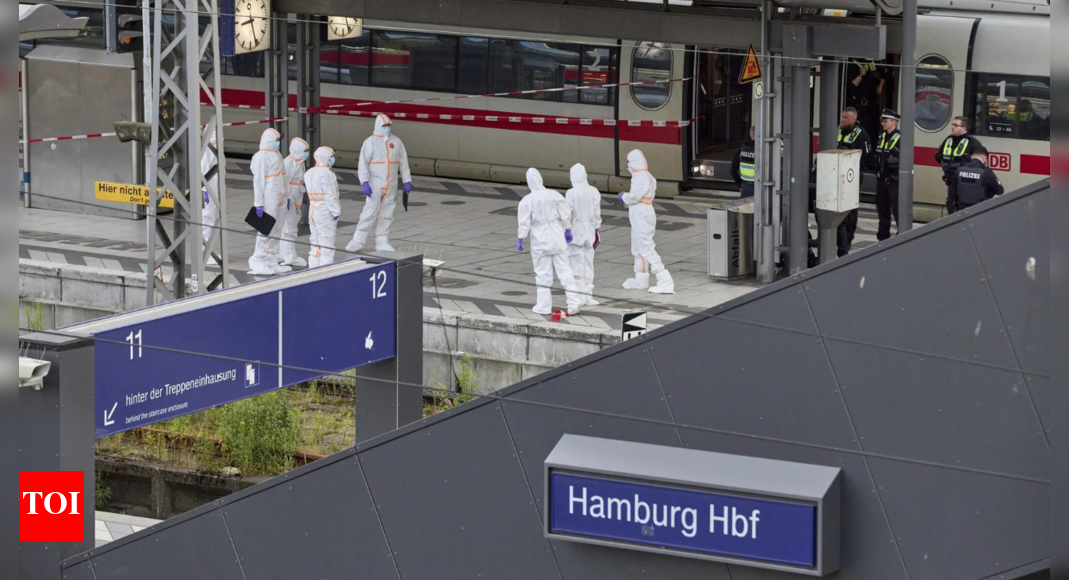
The mass stabbing in Hamburg, Germany, perpetrated by a 39-year-old woman, has once again brought the issue of public safety and mental health to the forefront. While the immediate aftermath of such a violent event understandably focuses on the victims and the apprehension of the perpetrator, a deeper examination of the underlying factors is crucial to understanding the incident and potentially preventing similar occurrences in the future. The police investigation, which quickly ruled out a political motive and identified the suspect as suffering from a “psychological illness,” highlights the complex interplay between mental health challenges and violent behavior. This declaration by authorities, while providing initial insight, simultaneously raises ethical questions and demands a nuanced approach to public discourse. Attributing the act solely to mental illness risks stigmatizing individuals living with mental health conditions, the vast majority of whom are not violent. It is imperative to remember that mental illness is a complex spectrum of conditions, and associating it directly with violent acts can fuel discrimination and prevent those in need from seeking help. Furthermore, the specific nature of the suspect’s mental illness remains undisclosed, leaving room for speculation and potential misinterpretations. Responsible reporting and analysis must avoid generalizations and focus on the facts as they emerge. The fact that the police also ruled out the influence of drugs or alcohol suggests that the suspect's actions were not driven by substance-induced impulsivity. This further emphasizes the need for a thorough psychiatric evaluation to understand the underlying psychological factors that may have contributed to the attack. The victims of the stabbing, ranging in age from 19 to 85, represent a broad cross-section of the Hamburg population. The severity of their injuries, with four initially reported as life-threatening, underscores the brutality of the attack and the lasting impact it will have on their lives and the lives of their families. The quick response of two passersby who subdued the suspect, along with the efficient work of law enforcement officers, prevented further harm and ensured that the suspect was taken into custody without resistance. This act of bravery and community solidarity deserves recognition and highlights the importance of public vigilance in maintaining safety and security. The attack occurred during the evening rush hour at the main train station in Hamburg, a location that is typically bustling with activity and considered a public space. The choice of location suggests that the suspect may have intentionally targeted a crowded area, potentially indicating a desire to inflict maximum harm. However, without further information about the suspect’s motives, it is difficult to draw definitive conclusions about the selection of the target. The incident has prompted reactions from political leaders, including German Chancellor Friedrich Merz, who expressed his shock and offered his support to the victims and their families. Merz’s response underscores the political sensitivity of such events, particularly in the context of recent debates about security and immigration in Germany. The article notes that Germany has been rocked by a series of violent attacks in recent months, some of which have been linked to jihadist or far-right extremist motivations. This context is important because it highlights the heightened sense of vulnerability and the ongoing challenges that German society faces in addressing extremism and maintaining public safety. The recent stabbing in Bielefeld, involving a Syrian suspect who expressed jihadist beliefs, further contributes to this sense of unease and fuels debates about immigration policy and integration. The article also mentions that Germany has toughened its legislation on carrying knives, banning them at public gatherings, on long-distance trains, and in specific zones in some cities, including Hamburg's train station. However, experts and police unions have questioned the effectiveness of such bans, suggesting that they may not be sufficient to deter individuals who are determined to commit violence. This raises the question of what other measures can be taken to enhance public safety and prevent similar attacks from occurring in the future. The discussion about knife bans and security measures often becomes intertwined with broader debates about immigration, integration, and social cohesion. The rise of far-right, anti-immigration parties, such as the Alternative for Germany (AfD), reflects the growing anxieties and divisions within German society regarding these issues. Addressing these underlying social and political tensions is crucial to creating a more inclusive and resilient society that is less vulnerable to extremism and violence. Ultimately, the Hamburg stabbing serves as a stark reminder of the complex challenges that societies face in balancing individual freedoms, public safety, and the need to address mental health issues effectively. A comprehensive approach that involves early intervention, access to mental health services, responsible gun laws, community engagement, and effective law enforcement is essential to preventing future tragedies.
Further analysis of the situation necessitates consideration of the role of media coverage and public discourse in shaping perceptions of mental illness and crime. Sensationalized reporting that emphasizes the link between mental illness and violence can perpetuate harmful stereotypes and contribute to the stigmatization of individuals living with mental health conditions. It is crucial for journalists to report on these events with sensitivity and accuracy, avoiding generalizations and providing context that helps to inform public understanding. Furthermore, public discourse surrounding mental health and crime should be guided by evidence-based research and informed by the experiences of individuals with mental health conditions and their families. Open and honest conversations about mental health challenges are essential to breaking down stigma and promoting help-seeking behavior. In addition to addressing the immediate aftermath of the Hamburg stabbing, it is also important to consider the long-term implications for the victims, their families, and the broader community. The psychological trauma associated with such a violent event can be significant and may require ongoing support and treatment. Providing access to mental health services and counseling is crucial to helping individuals cope with the emotional and psychological consequences of the attack. Furthermore, community-based initiatives that promote healing and reconciliation can help to foster a sense of solidarity and resilience in the face of adversity. The Hamburg stabbing also raises questions about the effectiveness of security measures at public transportation hubs. While it is impossible to eliminate all risks, it is important to assess whether existing security protocols are adequate and to identify potential areas for improvement. This may involve enhancing surveillance, increasing security personnel, and implementing other measures to deter potential attackers and protect the public. However, it is also important to consider the potential trade-offs between security and individual liberties. Excessive security measures can create a climate of fear and suspicion, and may not be effective in preventing all types of attacks. A balanced approach is needed that takes into account both security concerns and the importance of maintaining a free and open society. The incident in Hamburg underscores the need for a multi-faceted approach to addressing violence and promoting public safety. This includes addressing the underlying social and economic factors that contribute to violence, such as poverty, inequality, and lack of opportunity. It also involves promoting education and awareness about mental health issues, reducing stigma, and ensuring access to affordable and quality mental health services. Furthermore, it requires strengthening community-based organizations and initiatives that promote social cohesion and address the root causes of violence. Finally, it is important to foster a culture of respect, empathy, and understanding, where individuals feel safe and supported and where differences are celebrated rather than feared. By working together to address these complex challenges, we can create a more just and equitable society that is less vulnerable to violence and more resilient in the face of adversity.
In conclusion, the Hamburg mass stabbing is a tragic event that highlights the complex interplay between mental health, public safety, and societal anxieties. While the immediate focus is on the victims and the investigation, a deeper analysis reveals the need for a nuanced approach to understanding the underlying factors and preventing similar occurrences in the future. Attributing the act solely to mental illness is a dangerous oversimplification that risks stigmatizing individuals with mental health conditions. A comprehensive approach is needed that involves addressing the social, economic, and psychological factors that contribute to violence, promoting education and awareness about mental health, and strengthening community-based organizations and initiatives. The effectiveness of security measures must be continuously evaluated and adjusted to account for emerging threats. Crucially, public discourse must be guided by empathy, accuracy, and a commitment to promoting a more inclusive and understanding society. Only through such a comprehensive and multifaceted approach can we hope to prevent future tragedies and build a safer and more just world for all. It is vital that responses to tragedies like the Hamburg stabbing are evidence-based and grounded in ethical considerations, ensuring that they do not inadvertently contribute to further harm or discrimination. Furthermore, ongoing investment in mental health services, research, and community support programs is essential to creating a society that is better equipped to address the challenges of mental illness and prevent violence. The path forward requires collaboration across sectors, including law enforcement, healthcare, education, and social services. It also requires the active participation of individuals with lived experience of mental illness and their families. By working together, we can create a more compassionate and supportive society that prioritizes mental health and promotes public safety. The Hamburg stabbing serves as a wake-up call, reminding us of the urgent need to address these critical issues with thoughtfulness, dedication, and a unwavering commitment to building a better future for all.
Source: Germany mass stabbing suspect has 'psychological illness': Police