
 |
|
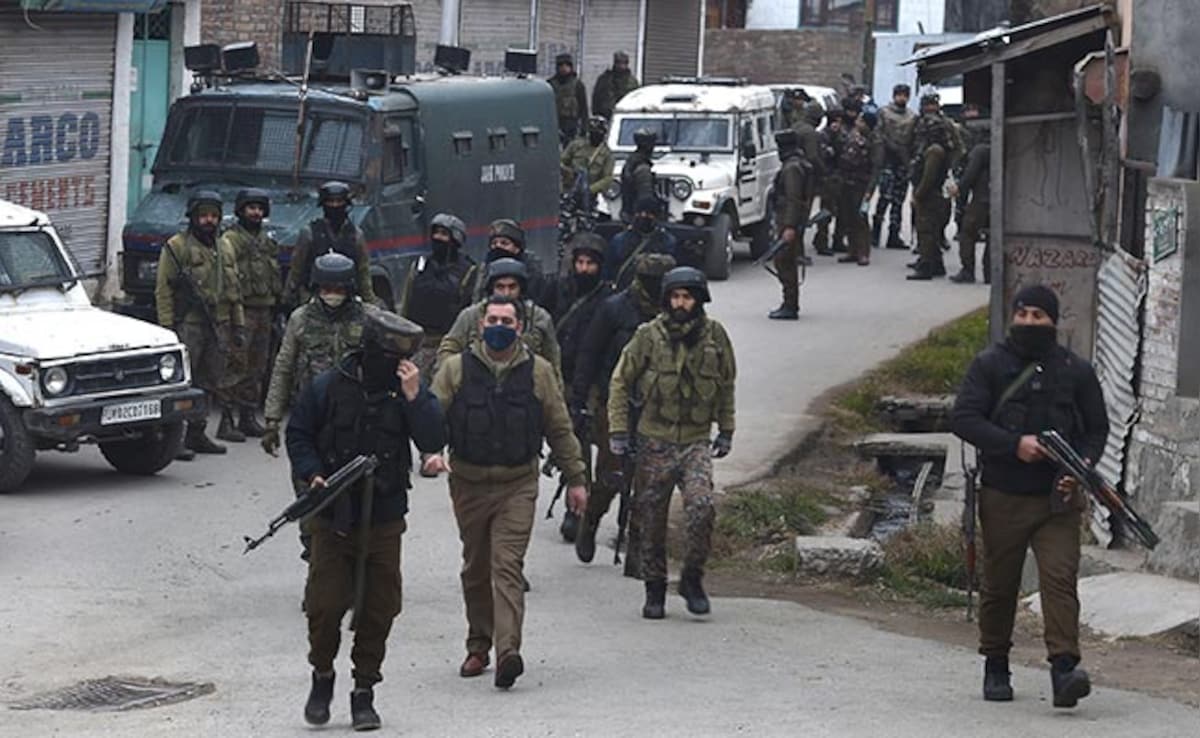
The article reports on a recent gunfight between security forces and terrorists in the Shopian region of Jammu and Kashmir, highlighting the ongoing tensions and security concerns in the area. The encounter, initially occurring in Kulgam, shifted to a forest area in Shopian, involving a two-hour battle between security personnel from the Army and paramilitary forces and four terrorists. This event gains significance considering the context of recent escalations between India and Pakistan following the Pahalgam terror attack, where 26 innocent lives were lost. The Indian response, dubbed Operation Sindoor, involved airstrikes against terror infrastructure within Pakistan and Pakistan-Occupied Kashmir (PoK), signaling a more assertive stance against terrorism. The Indian government has explicitly warned that any future terror attacks will be regarded as acts of war, warranting a strong retaliatory response. Prime Minister Narendra Modi's address to the nation emphasized this new approach, asserting that Operation Sindoor has established a 'new normal' in India's counter-terrorism efforts. He outlined a three-pronged strategy: a fitting response to any terrorist attack, strict action against the origins of terrorism, and zero tolerance for nuclear blackmail. Furthermore, Modi directly accused Pakistan of state-sponsored terrorism, citing the presence of top Pakistani army officers at the farewell of slain terrorists as evidence. This accusation underscores the deep-seated mistrust and animosity between the two nations, particularly concerning the issue of cross-border terrorism. The Prime Minister vowed to continue taking decisive steps to protect India and its citizens from any threat, reinforcing the government's commitment to national security. The events leading up to this gunfight, including India's airstrikes on May 7 targeting terror infrastructure in Pakistan and PoK, and Pakistan's subsequent response with heavy shelling and drone attacks, paint a picture of heightened military activity and potential for further conflict. While a ceasefire was announced on May 10, Indian armed forces remain vigilant, closely monitoring Pakistan's actions and prepared to respond to any perceived misadventure. The article serves as a reminder of the volatile security situation in the Kashmir region and the complex geopolitical dynamics between India and Pakistan. The encounter in Shopian forest symbolizes the persistent threat of terrorism and the ongoing efforts to maintain peace and stability in the area. India's proactive approach to counter-terrorism, as demonstrated by Operation Sindoor and the subsequent warnings, reflects a shift towards a more assertive foreign policy and a determination to protect its national interests. The future trajectory of the relationship between India and Pakistan will depend on their ability to de-escalate tensions, address the root causes of terrorism, and foster mutual trust and cooperation. The article also touches upon the complexities of dealing with state-sponsored terrorism and the challenges of holding nations accountable for their actions. The international community plays a crucial role in mediating conflicts, promoting dialogue, and ensuring compliance with international laws and norms. The need for a comprehensive and multifaceted approach to counter-terrorism, encompassing military, diplomatic, and economic strategies, is also highlighted. Ultimately, sustainable peace and stability in the Kashmir region will require a long-term commitment to addressing the underlying grievances, promoting inclusive governance, and fostering economic development. The recent events serve as a stark reminder of the human cost of conflict and the urgent need for a peaceful resolution to the longstanding dispute. The incident also underscores the ever-present danger that security forces face in the region and the sacrifices they make to protect civilians. The reliance on intelligence to intercept the terrorists further highlights the importance of efficient intelligence gathering and dissemination for preventing attacks. Operation Sindoor, the aerial counterstrike in Pakistan, marked a shift in the type of response that India has been making after terror attacks, escalating the conflict between the two countries and leading to fears of full-blown conflict. The statements from Prime Minister Modi illustrate the firm stance that the Indian government is taking in an attempt to deescalate future conflicts by scaring away terror activity. The history between the two countries, and the longstanding conflict between them, is important to understanding the implications of this particular attack, and the importance of the location of this forest area where the recent gunfight occurred.
The current situation in Kashmir is a complex interplay of factors, including historical grievances, political tensions, and the ongoing threat of terrorism. The gunfight in Shopian forest is just one manifestation of this intricate web of challenges. The region has been a source of conflict between India and Pakistan for decades, with both countries claiming sovereignty over it. The local population has long suffered from the effects of this conflict, including displacement, violence, and economic hardship. The presence of militant groups operating in the region further complicates the situation, fueling instability and posing a constant threat to security. India's response to the Pahalgam terror attack and the subsequent events, including Operation Sindoor, reflect a shift towards a more proactive and assertive approach to dealing with terrorism. This approach, however, carries the risk of escalating tensions with Pakistan and potentially triggering a wider conflict. The international community has a crucial role to play in mediating between the two countries and promoting a peaceful resolution to the Kashmir dispute. The involvement of Pakistani army officers in the farewell of slain terrorists, as alleged by Prime Minister Modi, is a serious accusation that warrants further investigation. If confirmed, it would provide further evidence of Pakistan's support for cross-border terrorism and its violation of international norms. The issue of state-sponsored terrorism is a complex and challenging one, with no easy solutions. It requires a concerted effort from the international community to isolate and pressure states that support terrorism, while also addressing the root causes of radicalization and extremism. The ceasefire announced on May 10 offers a glimmer of hope for de-escalation, but it remains fragile. The Indian armed forces' vigilance and preparedness to respond to any misadventure from Pakistan underscore the need for continued caution and vigilance. The ultimate goal is to create a conducive environment for dialogue and negotiation, leading to a lasting and peaceful resolution to the Kashmir dispute. This will require a willingness from both India and Pakistan to compromise and to address the legitimate grievances of the local population. The international community can facilitate this process by providing technical assistance, financial support, and political encouragement. The future of Kashmir depends on the ability of all stakeholders to work together towards a common goal of peace, stability, and prosperity. This requires a commitment to inclusive governance, economic development, and respect for human rights. The gunfight in Shopian forest serves as a stark reminder of the challenges that lie ahead, but it also highlights the resilience and determination of the people of Kashmir to overcome adversity and build a better future.
Furthermore, the article points towards a critical analysis of the 'new normal' that Prime Minister Modi mentioned in his address. While a strong response to terrorism is necessary, the escalation of conflict and the potential for a full-blown war between two nuclear-armed nations is a grave concern. The international community must actively engage in de-escalation efforts and facilitate dialogue between India and Pakistan to prevent further escalation. The focus should also be on addressing the root causes of terrorism in the region, including poverty, lack of opportunity, and political marginalization. Sustainable peace can only be achieved through a comprehensive approach that addresses both the symptoms and the underlying causes of conflict. Moreover, the article implicitly calls for greater transparency and accountability in the fight against terrorism. Allegations of state-sponsored terrorism must be thoroughly investigated, and those responsible must be held accountable. This requires international cooperation and a commitment to upholding international laws and norms. The media also plays a crucial role in reporting on the conflict in a responsible and objective manner, avoiding sensationalism and promoting understanding and empathy. The article provides a snapshot of a complex and evolving situation in Kashmir. It highlights the ongoing security challenges, the escalating tensions between India and Pakistan, and the urgent need for a peaceful resolution to the conflict. The international community must step up its efforts to facilitate dialogue, promote reconciliation, and address the root causes of terrorism in the region. The future of Kashmir depends on the collective efforts of all stakeholders to build a future of peace, stability, and prosperity for all its people. This requires a commitment to justice, equality, and human rights for all, regardless of their ethnicity, religion, or political affiliation. The gunfight in Shopian forest is a reminder of the high stakes involved in the Kashmir conflict and the urgent need for a peaceful resolution. The article should prompt further reflection and action from policymakers, academics, and concerned citizens around the world. Lastly, it is crucial to remember that the conflict has many perspectives, particularly the individuals on the ground experiencing terror and unrest daily. To create a lasting peace, consideration for all sides must be valued.
Source: Encounter In Kashmir Forest Amid Slow Return To Normalcy After Ceasefire