
 |
|
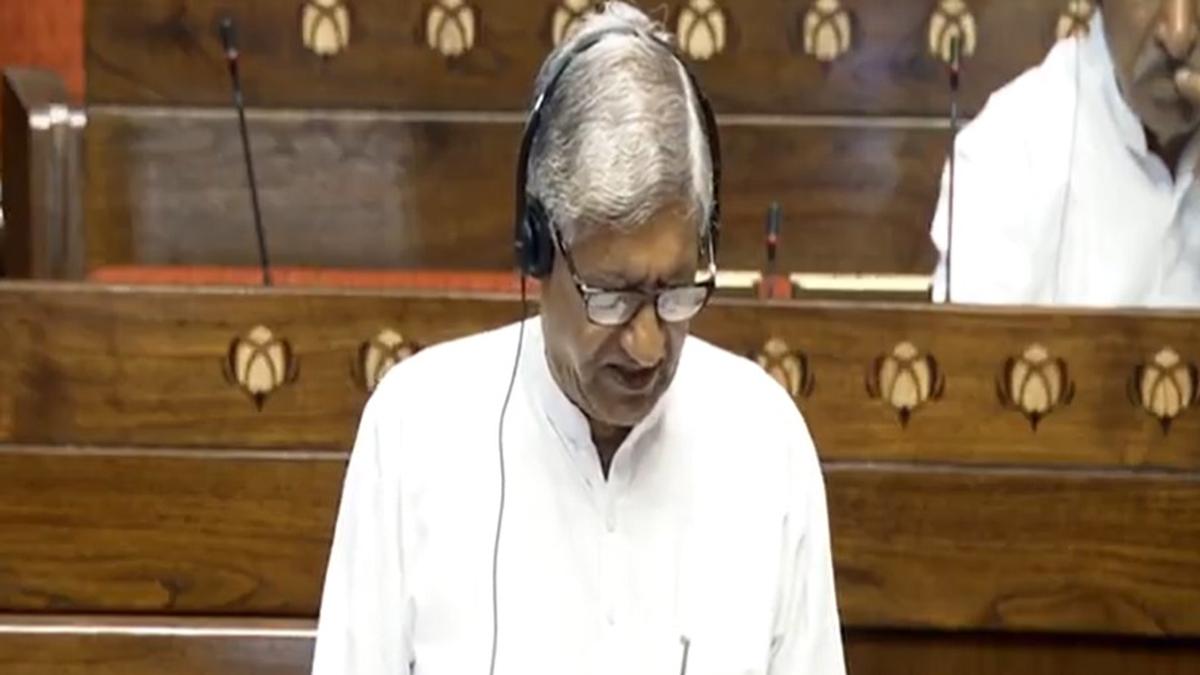
The Indian political landscape has once again been thrown into turmoil following controversial remarks made by BJP MP Ram Chander Jangra regarding the victims of a terrorist attack in Pahalgam. The Congress party has vehemently condemned Jangra's statements, demanding his immediate sacking and a public apology from Prime Minister Narendra Modi. This incident underscores the deeply polarized environment and the sensitivity surrounding issues of national security, terrorism, and the role of political leaders in shaping public discourse. The Congress's forceful response highlights its strategic objective to challenge the BJP's narrative and hold the ruling party accountable for the actions and statements of its members. This situation also brings to the forefront the ethical responsibilities of elected officials and the potential consequences of insensitive or inflammatory rhetoric, especially in the context of tragedy and national mourning. The broader implications extend to the realms of political accountability, media scrutiny, and the erosion of public trust in political institutions when leaders fail to uphold standards of empathy and responsible communication. The Congress's insistence on a public apology from the Prime Minister signifies the party's intent to elevate this issue to the highest level of political discourse, thereby intensifying the pressure on the BJP to take decisive action. The incident also raises questions about the BJP's internal mechanisms for managing communication and ensuring that its members adhere to a code of conduct that reflects sensitivity and respect for victims of terrorism and their families. Furthermore, the controversy highlights the challenges of balancing freedom of speech with the need to avoid causing further pain and distress to those who have already suffered immensely. The role of social media in amplifying and disseminating such remarks further complicates the situation, making it imperative for political leaders to exercise caution and responsibility in their public statements. The Congress's strategy of linking Jangra's remarks to previous controversial statements by other BJP leaders suggests a deliberate effort to portray the BJP as a party insensitive to the concerns of the public and prone to making inappropriate comments. This approach aims to create a narrative of consistent misconduct, thereby undermining the BJP's credibility and eroding its support base. The broader political ramifications of this incident are likely to extend beyond the immediate controversy, potentially influencing public perceptions of the BJP's leadership and its commitment to upholding ethical standards. The Congress's decision to frame this issue as a matter of national importance, warranting the Prime Minister's personal intervention, underscores the party's strategic intent to leverage this situation to its political advantage. The incident also serves as a reminder of the importance of empathy and responsible leadership in times of crisis, and the potential consequences of failing to meet these expectations. The public's reaction to this controversy is likely to be influenced by a variety of factors, including their existing political affiliations, their personal experiences with terrorism, and their perceptions of the BJP's leadership. The Congress's ability to effectively communicate its message and mobilize public opinion against the BJP will be crucial in determining the ultimate impact of this incident on the political landscape. The broader context of this controversy includes the ongoing debate about national security, terrorism, and the role of the armed forces in protecting the country. The Congress's decision to highlight alleged insults to the Indian Army by BJP leaders suggests an effort to tap into nationalistic sentiments and portray the BJP as disrespectful of the sacrifices made by the military. This strategy aims to resonate with a broad spectrum of the public, including those who may not necessarily align with the Congress's political ideology. The incident also raises questions about the role of the media in reporting on such controversies and holding political leaders accountable for their actions. The media's coverage of Jangra's remarks and the Congress's response is likely to shape public perceptions of the issue and influence the political narrative. The broader implications of this controversy extend to the realm of international relations, as negative publicity surrounding the BJP's leadership could potentially damage India's image on the global stage. The Congress's decision to frame this issue as a matter of national importance, warranting the Prime Minister's personal intervention, underscores the party's strategic intent to leverage this situation to its political advantage. The incident also serves as a reminder of the importance of empathy and responsible leadership in times of crisis, and the potential consequences of failing to meet these expectations. The public's reaction to this controversy is likely to be influenced by a variety of factors, including their existing political affiliations, their personal experiences with terrorism, and their perceptions of the BJP's leadership. The Congress's ability to effectively communicate its message and mobilize public opinion against the BJP will be crucial in determining the ultimate impact of this incident on the political landscape. The broader context of this controversy includes the ongoing debate about national security, terrorism, and the role of the armed forces in protecting the country. The Congress's decision to highlight alleged insults to the Indian Army by BJP leaders suggests an effort to tap into nationalistic sentiments and portray the BJP as disrespectful of the sacrifices made by the military. This strategy aims to resonate with a broad spectrum of the public, including those who may not necessarily align with the Congress's political ideology. The incident also raises questions about the role of the media in reporting on such controversies and holding political leaders accountable for their actions. The media's coverage of Jangra's remarks and the Congress's response is likely to shape public perceptions of the issue and influence the political narrative. The broader implications of this controversy extend to the realm of international relations, as negative publicity surrounding the BJP's leadership could potentially damage India's image on the global stage.
Ram Chander Jangra's statements, specifically his criticism of the Pahalgam victims for not resisting the terrorists and his remarks about the women lacking the spirit of 'veerangna,' have been widely condemned as insensitive and deeply offensive. These remarks are seen as a blatant disregard for the trauma experienced by the victims and their families, and as an attempt to shift blame from the perpetrators of the attack to those who were targeted. The Congress party has seized upon these remarks as evidence of the BJP's insensitivity and lack of empathy towards the victims of terrorism. The party's demand for Jangra's sacking and the Prime Minister's apology reflects its determination to hold the BJP accountable for the actions of its members and to ensure that victims of terrorism are treated with respect and dignity. The broader implications of Jangra's remarks extend to the realm of public discourse and the responsibility of political leaders to exercise caution and sensitivity in their public statements. In a society grappling with the trauma of terrorism, it is imperative that leaders refrain from making remarks that could further victimize those who have already suffered immensely. Jangra's statements have been interpreted as a failure to uphold this responsibility and as a betrayal of the trust placed in him as an elected official. The Congress party's response to Jangra's remarks is part of a broader strategy to challenge the BJP's narrative on national security and to portray the ruling party as insensitive to the concerns of the public. By highlighting Jangra's controversial statements, the Congress aims to create a narrative of consistent misconduct and to undermine the BJP's credibility. The broader political ramifications of this incident are likely to extend beyond the immediate controversy, potentially influencing public perceptions of the BJP's leadership and its commitment to upholding ethical standards. The Congress's decision to frame this issue as a matter of national importance, warranting the Prime Minister's personal intervention, underscores the party's strategic intent to leverage this situation to its political advantage. The incident also serves as a reminder of the importance of empathy and responsible leadership in times of crisis, and the potential consequences of failing to meet these expectations. The public's reaction to this controversy is likely to be influenced by a variety of factors, including their existing political affiliations, their personal experiences with terrorism, and their perceptions of the BJP's leadership. The Congress's ability to effectively communicate its message and mobilize public opinion against the BJP will be crucial in determining the ultimate impact of this incident on the political landscape. The broader context of this controversy includes the ongoing debate about national security, terrorism, and the role of the armed forces in protecting the country. The Congress's decision to highlight alleged insults to the Indian Army by BJP leaders suggests an effort to tap into nationalistic sentiments and portray the BJP as disrespectful of the sacrifices made by the military. This strategy aims to resonate with a broad spectrum of the public, including those who may not necessarily align with the Congress's political ideology. The incident also raises questions about the role of the media in reporting on such controversies and holding political leaders accountable for their actions. The media's coverage of Jangra's remarks and the Congress's response is likely to shape public perceptions of the issue and influence the political narrative. The broader implications of this controversy extend to the realm of international relations, as negative publicity surrounding the BJP's leadership could potentially damage India's image on the global stage.
The Congress party's strategy of linking Jangra's remarks to previous controversial statements by other BJP leaders, such as Madhya Pradesh Minister Vijay Shah and Deputy Chief Minister Jagdish Devda, is a deliberate attempt to portray the BJP as a party insensitive to the concerns of the public and prone to making inappropriate comments. By highlighting these instances of alleged misconduct, the Congress aims to create a narrative of consistent misbehavior, thereby undermining the BJP's credibility and eroding its support base. The Congress's claim that Devda insulted the Indian Army and that Shah made lewd comments about a brave colonel is intended to tap into nationalistic sentiments and to portray the BJP as disrespectful of the sacrifices made by the military. This strategy aims to resonate with a broad spectrum of the public, including those who may not necessarily align with the Congress's political ideology. The Congress's decision to also mention the trolling of the naval officer's wife in Pahalgam, and the Prime Minister's alleged silence on the matter, is an attempt to further highlight the BJP's perceived insensitivity and lack of empathy. By portraying the Prime Minister as indifferent to the suffering of victims and their families, the Congress aims to damage his reputation and to erode public trust in his leadership. The broader political ramifications of this incident are likely to extend beyond the immediate controversy, potentially influencing public perceptions of the BJP's leadership and its commitment to upholding ethical standards. The Congress's decision to frame this issue as a matter of national importance, warranting the Prime Minister's personal intervention, underscores the party's strategic intent to leverage this situation to its political advantage. The incident also serves as a reminder of the importance of empathy and responsible leadership in times of crisis, and the potential consequences of failing to meet these expectations. The public's reaction to this controversy is likely to be influenced by a variety of factors, including their existing political affiliations, their personal experiences with terrorism, and their perceptions of the BJP's leadership. The Congress's ability to effectively communicate its message and mobilize public opinion against the BJP will be crucial in determining the ultimate impact of this incident on the political landscape. The broader context of this controversy includes the ongoing debate about national security, terrorism, and the role of the armed forces in protecting the country. The Congress's decision to highlight alleged insults to the Indian Army by BJP leaders suggests an effort to tap into nationalistic sentiments and portray the BJP as disrespectful of the sacrifices made by the military. This strategy aims to resonate with a broad spectrum of the public, including those who may not necessarily align with the Congress's political ideology. The incident also raises questions about the role of the media in reporting on such controversies and holding political leaders accountable for their actions. The media's coverage of Jangra's remarks and the Congress's response is likely to shape public perceptions of the issue and influence the political narrative. The broader implications of this controversy extend to the realm of international relations, as negative publicity surrounding the BJP's leadership could potentially damage India's image on the global stage. In conclusion, the controversy surrounding Ram Chander Jangra's remarks highlights the deeply polarized political environment in India and the sensitivity surrounding issues of national security, terrorism, and the role of political leaders in shaping public discourse. The Congress party's forceful response underscores its strategic objective to challenge the BJP's narrative and to hold the ruling party accountable for the actions and statements of its members. The broader implications of this incident extend to the realms of political accountability, media scrutiny, and the erosion of public trust in political institutions when leaders fail to uphold standards of empathy and responsible communication.