
 |
|
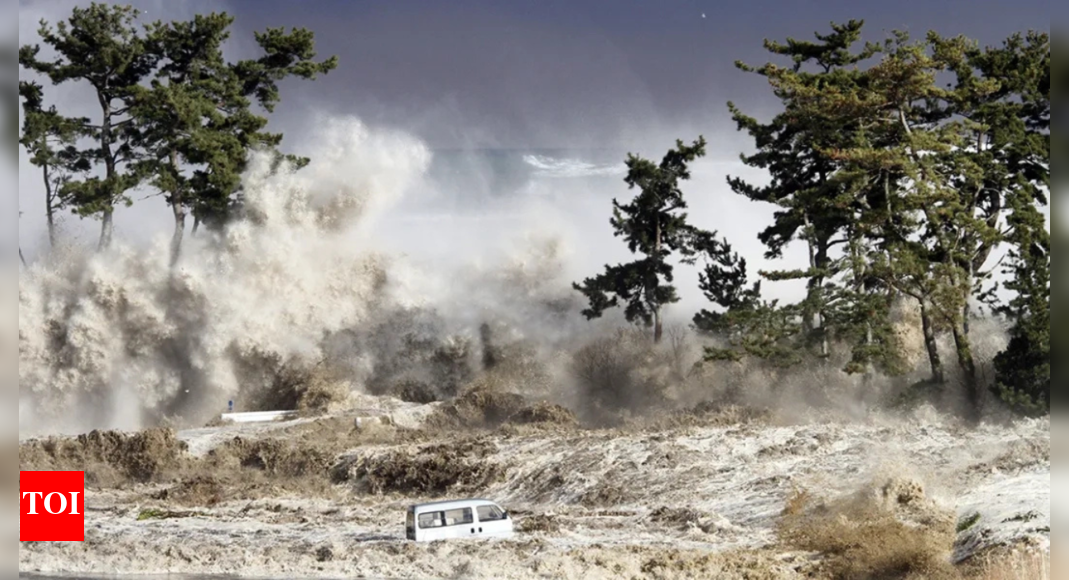
The looming threat of mega-tsunamis, colossal waves capable of immense destruction, casts a long shadow over coastal regions worldwide, and particularly upon the United States. Unlike typical tsunamis, often triggered by seismic activity and causing significant damage, mega-tsunamis represent a far more cataclysmic phenomenon, characterized by wave heights that can reach hundreds, even thousands, of feet. The article “Tsunami warnings! Scientists reveal Tsunami threats in US states due to climate change and geology” paints a stark picture of these dangers, highlighting the interplay between geological factors and the accelerating impact of climate change in exacerbating existing vulnerabilities. These forces combine to create a potent recipe for disaster, demanding a comprehensive understanding of the risks, coupled with proactive measures to mitigate their potential consequences. The ghost of Lituya Bay, a chilling reminder of nature's raw power, serves as a stark illustration of the potential scale of devastation that mega-tsunamis can unleash. In 1958, a massive earthquake in this remote Alaskan bay triggered a landslide of unimaginable proportions, sending 90 million tons of rock and ice plunging into the water. The resulting wave, towering over 1,700 feet high, stands as the tallest tsunami ever recorded. While its impact was localized due to the area's sparse population, the event sent shockwaves through the scientific community, demonstrating the capacity of geological events to generate waves of unprecedented size. The lesson of Lituya Bay resonates even more strongly today, as climate change intensifies the risk of similar landslides in vulnerable regions. Melting glaciers and thawing permafrost are destabilizing mountain slopes and coastlines, creating conditions ripe for catastrophic collapses. Barry Glacier in Alaska, identified by experts as a potential source of a similar mega-tsunami, exemplifies this growing concern. The prospect of a massive landslide triggering another towering wave underscores the urgent need for enhanced monitoring and proactive risk assessment in these regions. Beyond Alaska, the Hawaiian Islands face their own unique set of tsunami threats. The article points to evidence of a prehistoric mega-tsunami, likely triggered by a volcanic landslide, that struck the island of Lanai roughly 100,000 years ago. Marine fossils found high above sea level bear witness to the immense power of this ancient wave, which reached heights of over 1,000 feet. With their steep underwater slopes and active volcanoes, the Hawaiian Islands remain susceptible to similar events. The collapse of a portion of a volcano like Mauna Loa into the sea could generate a mega-tsunami that would inundate coastal communities with little or no warning. The speed and ferocity of such a wave would make evacuation incredibly challenging, highlighting the importance of robust early warning systems and community preparedness initiatives.
The Atlantic wildcard, represented by the Cumbre Vieja volcano on Spain's La Palma island, introduces another dimension to the global tsunami threat. While the scenario remains a subject of ongoing scientific debate, some researchers have raised concerns that a massive eruption of Cumbre Vieja could trigger a catastrophic landslide, sending a significant portion of the volcano's western flank crashing into the Atlantic Ocean. The resulting mega-tsunami, according to computer models, could propagate across the ocean, impacting the U.S. East Coast with potentially devastating consequences. While the likelihood of such an event remains uncertain, the potential for widespread destruction cannot be dismissed. The prospect of a mega-tsunami originating thousands of miles away highlights the interconnectedness of our planet and the importance of international collaboration in addressing global risks. Enhanced research and monitoring of volcanic activity, coupled with improved tsunami modeling, are essential for refining our understanding of this potential threat and developing effective mitigation strategies. Shifting focus to the Pacific Northwest, the Cascadia subduction zone presents a more immediate and localized tsunami threat. This 600-mile fault line, stretching from Northern California to British Columbia, is capable of generating powerful earthquakes that can trigger devastating tsunamis. The last major earthquake along the Cascadia subduction zone occurred in 1700, and scientists estimate that there is a 15% chance of another magnitude 8.0 or greater quake within the next 50 years. Such an event would unleash a tsunami that could strike coastal cities within 15 to 30 minutes, leaving residents with little time to evacuate. The short warning time underscores the critical importance of community preparedness, including evacuation drills, tsunami sirens, and well-defined escape routes. In addition to geological factors, the accelerating impacts of climate change are exacerbating tsunami risks in various regions. As the planet warms, glaciers are retreating and permafrost is thawing, increasing the likelihood of landslides into bodies of water. These sudden landslides can displace massive volumes of water, generating tsunami-scale waves that can pose a significant threat to coastal communities. Regions in Alaska, Greenland, and the Arctic are particularly vulnerable to these climate-related tsunami hazards. Enhanced monitoring and early warning systems are crucial for detecting unstable terrain and providing timely alerts to at-risk populations.
Responding to the growing threat of mega-tsunamis requires a multi-faceted approach that encompasses early warning systems, community preparedness, and international collaboration. Early warning systems play a critical role in providing timely alerts to coastal communities, allowing them to evacuate to higher ground before a tsunami strikes. These systems rely on a network of sensors, including seafloor pressure sensors and satellite monitoring, to detect underwater landslides, earthquakes, and other events that could trigger a tsunami. The data collected by these sensors is analyzed by sophisticated computer models to predict the size and arrival time of a tsunami, providing valuable information to emergency management officials. Community preparedness is equally essential for mitigating the impact of tsunamis. Coastal communities need to be educated about tsunami risks, evacuation routes, and emergency procedures. Regular evacuation drills can help residents practice their response and identify potential bottlenecks or challenges. Tsunami sirens can provide an audible warning to residents, prompting them to evacuate to higher ground. Well-defined escape routes and designated safe zones can help people reach safety quickly and efficiently. International collaboration is also crucial for addressing the global tsunami threat. Tsunamis can travel across oceans, impacting multiple countries. Sharing data, research findings, and best practices can help countries better prepare for and respond to tsunamis. International organizations can play a coordinating role, facilitating the exchange of information and promoting cooperation among countries. While we cannot prevent earthquakes or volcanic collapses, we can take steps to reduce the impact of tsunamis. By investing in early warning systems, promoting community preparedness, and fostering international collaboration, we can significantly improve our ability to protect coastal communities from these devastating natural disasters. The challenge lies in recognizing the warning signs and acting before disaster strikes. Whether triggered by a melting glacier, collapsing volcano, or seismic shift, these towering waves are a sobering reminder of nature's power and of the need to stay vigilant. Mega-tsunamis, though rare, represent a profound threat to coastal regions. Understanding the causes, risks, and potential consequences of these colossal waves is paramount to safeguarding vulnerable communities and building resilience against future disasters. Through scientific research, technological advancements, and collaborative efforts, we can strive to minimize the impact of these catastrophic events and protect lives and livelihoods along coastlines worldwide.
Source: Tsunami warnings! Scientists reveal Tsunami threats in US states due to climate change and geology