
 |
|
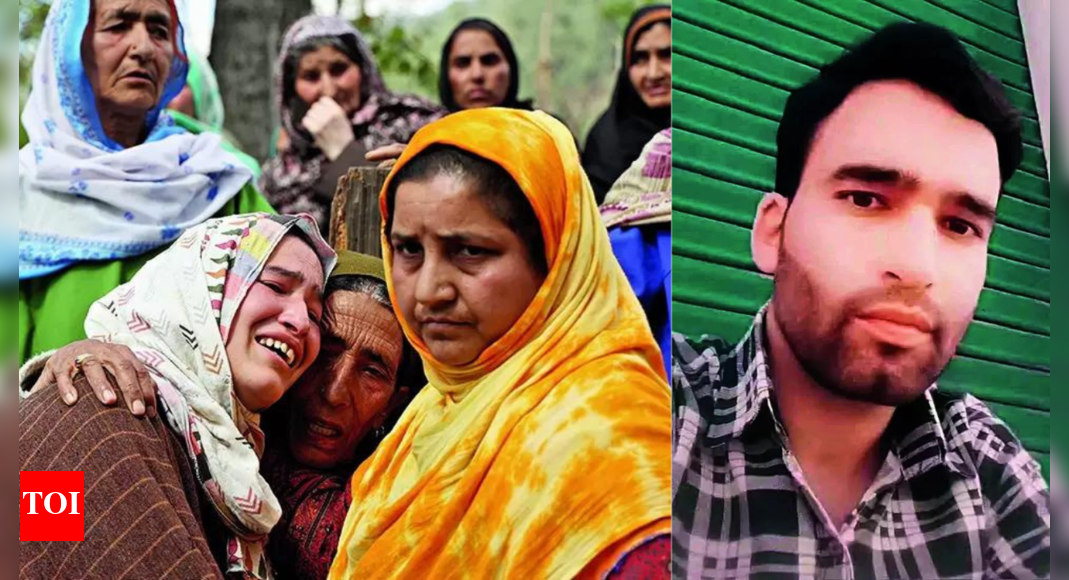
The article recounts the tragic death of Syed Adil Hussain Shah, a pony handler in Kashmir, and the subsequent response from Chief Minister Omar Abdullah. Adil was killed in a terror attack, and reports suggest he bravely attempted to stop the terrorists, potentially saving the lives of tourists. Abdullah visited Adil's family to offer condolences and assure them of government support. The account highlights the potential heroism of Adil, who was a simple man earning a meager Rs 300 a day, saving for his sisters' marriages. The outpouring of grief from the local community and the government's recognition of his sacrifice underscores the impact of his death and the complexities of the situation in Kashmir. However, security forces are hesitant to confirm the exact circumstances of Adil's death, stating that their assessment is still hazy. This raises questions about the accuracy of the initial reports and the challenges of gathering reliable information in a conflict zone. The article further explores the emotional toll of the attack on the local community, with Adil's cousin expressing the shame and sorrow felt by Kashmiris over the loss of life. The aunt's lament about the lack of recognition for Adil in initial news reports underscores the importance of acknowledging all victims of violence, regardless of their background or status. The story serves as a poignant reminder of the human cost of terrorism and the resilience of ordinary people in the face of adversity.
The narrative surrounding Adil's death is layered with uncertainty and contrasting perspectives. While the initial reports, seemingly fueled by survivor accounts, depict him as a heroic figure who confronted the terrorists, the security forces' reluctance to confirm these details introduces an element of doubt. This caution could stem from a number of factors, including the need to conduct a thorough investigation, the potential for misinformation or exaggeration in eyewitness accounts, or the desire to avoid prematurely raising expectations or inflaming tensions. The conflicting accounts highlight the challenges of reporting on events in a volatile environment, where emotions run high and access to accurate information may be limited. It also raises questions about the role of the media in shaping public perception and the potential consequences of prematurely declaring someone a hero or villain. The article subtly suggests that the full story of Adil's death may not be known, leaving the reader to ponder the complexities of the situation and the difficulties of uncovering the truth in a conflict zone. The emphasis on security forces saying it's 'premature' to confirm details is important because it showcases the meticulousness demanded in investigations, especially those involving terrorism. Jumping to conclusions can have severe ramifications on public sentiment and can even embolden terrorist groups.
Beyond the immediate tragedy of Adil's death, the article touches upon broader themes of Kashmiri identity, the impact of terrorism on the local population, and the role of the government in providing support and assistance to victims of violence. Adil's cousin's lament about the 'blot on Kashmiriyat' underscores the deep sense of shame and betrayal felt by many Kashmiris over the acts of terrorism committed in their land. The article also highlights the economic vulnerability of many Kashmiris, with Adil earning a meager wage as a pony handler and saving for his sisters' marriages. This economic hardship can make individuals more susceptible to manipulation or recruitment by extremist groups, further complicating the security situation in the region. Omar Abdullah's visit to Adil's family and his promise of government support reflect the government's attempt to address the needs of the affected community and to demonstrate solidarity with the victims of violence. However, the effectiveness of these efforts remains to be seen, and the challenges of rebuilding trust and addressing the root causes of conflict in Kashmir are immense. This instance also highlights the dangerous nature of Kashmiriyat, not only for the victims of terrorist attacks, but also for the perpetrators. As terrorism continues to plague the Kashmir region, it's important to consider the socio-economic context in which such attacks occur. This includes the level of opportunity people in Kashmir have to make a living, as well as the safety and security afforded to them. Providing more economic opportunities and better security for the region may improve overall peace.
The article paints a picture of a complex and multifaceted situation, where individual tragedy intersects with broader political and social issues. Adil's death serves as a microcosm of the larger conflict in Kashmir, highlighting the human cost of violence, the challenges of uncovering the truth, and the importance of providing support and assistance to those affected by terrorism. The article's focus on Adil's family, his community, and the government's response provides a human dimension to the conflict, reminding readers of the real people whose lives are impacted by the ongoing violence. It also underscores the importance of remembering and honoring all victims of terrorism, regardless of their background or status. The detail included about Adil's daily life creates a level of intimacy with the victim that emphasizes the sheer senselessness of the tragic death. The article avoids the use of overly technical jargon, maintaining an accessible tone that encourages the reader to empathize with the situation. A more thorough investigation into the circumstances surrounding the death is warranted, but for the time being, Adil's death is mourned across Kashmir.
In conclusion, the article effectively captures the immediate aftermath of a terror attack in Kashmir, focusing on the personal tragedy of Adil's death and the mixed reactions from the community and security forces. By detailing the reactions of Omar Abdullah and the local community, the reader is given a sense of both the political and humanistic elements of the story. The cautious approach from the security forces is also highlighted, showcasing the need for a more thorough investigation. All together, the article provides a nuanced depiction of the complexities of Kashmir, and avoids overly simplified interpretations of the events. The article serves as a reminder of the fragility of peace and the importance of remembering the victims of violence, even amidst ongoing conflict. The importance of security is especially evident in this article, because it serves as a critical deterrent for terrorist attacks. Without proper security measures in place, it is easier for terrorists to infiltrate regions and inflict violence upon the local population. By investing in security, lives can be saved, and such instances of violence can be prevented in the future. Therefore, a strong security infrastructure is paramount to ensuring the safety and well-being of all individuals.