
 |
|
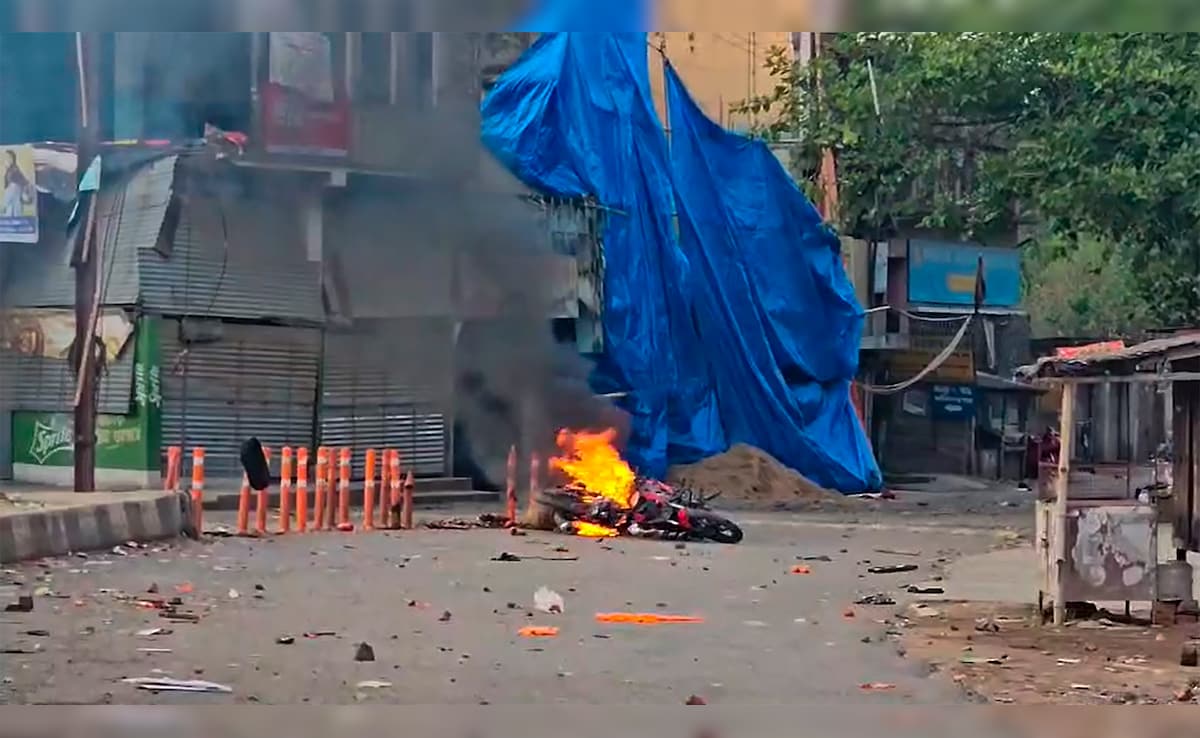
The article reports on the political fallout following violence in Murshidabad, West Bengal, during protests related to the Waqf (Amendment) Act. A key element of the story is the accusation made by Trinamool Congress (TMC) leader Kunal Ghosh, who alleges a conspiracy involving a central agency and the Border Security Force (BSF) behind the unrest. This charge has been met with strong condemnation from the Bharatiya Janata Party (BJP), leading to a heated exchange of accusations and counter-accusations. The core narrative revolves around the aftermath of the violence, the political blame game, and the implications for the upcoming elections. Ghosh's allegations center on the idea that the BSF intentionally allowed miscreants to cross the border and instigate violence, with the goal of destabilizing the region and providing the BJP with political ammunition. He further claims that the BJP is using fabricated images from other states to exacerbate the situation and incite further unrest. The BJP, in response, has dismissed Ghosh's claims as baseless and has accused the TMC of being a dangerous, anti-national party with ties to extremist groups. They have called for a National Investigation Agency (NIA) probe into the Murshidabad riots, suggesting that the violence was not spontaneous but rather a planned act of terrorism. This exchange highlights the deep political polarization in West Bengal and the intense competition between the TMC and the BJP. The article also touches upon the broader issue of communal tensions and the manipulation of religious sentiments for political gain. The BJP's characterization of the TMC as a 'jihadi-controlled party' and its accusation that the TMC is prioritizing its 'vote bank' over national security are clear examples of this. The allegations and counter-allegations between the TMC and BJP reflect a broader trend of political parties using divisive rhetoric to mobilize their supporters and demonize their opponents. This kind of discourse can have a dangerous impact on social cohesion and can contribute to an atmosphere of fear and mistrust. The article also provides some information about the efforts to restore peace and stability in Murshidabad. Police officials have stated that the situation is returning to normal, with shops reopening and displaced families returning to their homes. However, the underlying tensions remain, and the political blame game is likely to continue for some time. The response of the BJP, led by figures like Suvendu Adhikari and Shehzad Poonawalla, focuses on painting the TMC as appeasing radical elements for electoral gain, specifically targeting the Muslim 'vote bank'. The reference to Digvijaya Singh's comments, where he seemingly blames the RSS for the violence, further fuels the BJP's narrative that opposition parties are intentionally downplaying the role of those perpetrating the violence while unfairly targeting Hindu organizations. Poonawalla explicitly accuses Singh and Ghosh of being 'bhaijaan' (a term of endearment for a brother, but used sarcastically here to suggest favoritism) to the rioters, emphasizing the alleged appeasement politics. The narrative constructed by the BJP relies heavily on portraying Hindus as victims of the violence, citing examples of Hindu-owned businesses being targeted, water sources being poisoned, and individuals being murdered. They argue that any attempt to downplay the involvement of these perpetrators or to shift blame onto Hindu organizations is a deliberate attempt to protect a particular 'vote bank'. This framing reinforces existing communal divides and can lead to further polarization. The article also indirectly raises questions about the role of central agencies and the BSF in maintaining law and order in the region. Ghosh's allegations of a conspiracy involving these entities are serious and warrant further investigation. However, it is important to note that these are just allegations at this point, and there is no concrete evidence to support them. The BJP's call for an NIA probe is also significant, as it suggests that they believe the violence was not a local issue but rather a national security concern. Overall, the article presents a complex and multifaceted picture of the political situation in West Bengal following the Murshidabad violence. It highlights the deep divisions between the TMC and the BJP, the use of divisive rhetoric, and the potential for communal tensions to escalate. The allegations and counter-allegations surrounding the violence warrant further investigation, and it is important for all parties to refrain from making inflammatory statements that could further inflame the situation. The article underscores the fragility of communal harmony in the region and the importance of responsible leadership in promoting peace and stability.
The complexities surrounding the Waqf (Amendment) Act protests in Murshidabad extend beyond the immediate accusations of conspiracy and vote-bank politics. The very nature of the Waqf Act and its amendments likely contributed to the unrest, albeit as a spark rather than the underlying fuel. Waqf properties are religious endowments under Islamic law, and any perceived changes or threats to these properties can be highly sensitive. The lack of transparency in the implementation of the act, coupled with misinformation and rumors, could have easily been exploited by vested interests to incite violence. Furthermore, the historical context of communal relations in Murshidabad and the surrounding region plays a crucial role. The area has a significant Muslim population and has witnessed instances of communal tensions in the past. This pre-existing vulnerability makes it easier for political actors to manipulate sentiments and mobilize people along religious lines. The role of social media in amplifying rumors and misinformation cannot be ignored either. In the age of instant communication, unverified reports and inflammatory content can spread rapidly, further exacerbating tensions and making it difficult to control the narrative. The article's mention of the BJP using images from other states to depict the Murshidabad violence is a clear example of how social media can be used to manipulate public opinion. Beyond the political blame game, there are serious concerns about the humanitarian consequences of the violence. The displacement of families, the destruction of property, and the loss of life have a devastating impact on the affected communities. It is crucial that the government and civil society organizations provide adequate relief and support to those who have been affected by the violence. Moreover, there is a need to address the root causes of the conflict and to promote interfaith dialogue and understanding. This requires a long-term commitment to education, economic development, and social justice. The political parties involved must also take responsibility for their role in inflaming tensions and commit to a more constructive and responsible approach to politics. The focus should be on addressing the genuine grievances of the people, rather than exploiting their vulnerabilities for political gain. In considering the allegations of BSF involvement, it is imperative to maintain a balanced perspective. The BSF is tasked with securing the border and preventing illegal activities. Accusations of collusion with miscreants must be thoroughly investigated, but should not be used to demonize the entire force. It is also important to consider the challenges faced by the BSF in policing a porous border and the potential for isolated incidents of misconduct. The call for an NIA probe by the BJP raises questions about the appropriate level of investigation. The NIA is typically involved in cases of terrorism and national security threats. Whether the Murshidabad violence warrants such a high-level investigation is a matter of debate. The decision to involve the NIA could be seen as a genuine attempt to uncover the truth or as a politically motivated move to put pressure on the state government. Ultimately, the Murshidabad violence serves as a stark reminder of the fragility of peace and the dangers of political opportunism. A comprehensive and nuanced approach is needed to address the underlying causes of the conflict and to promote a more inclusive and harmonious society. This requires a commitment to truth, justice, and reconciliation, as well as a willingness to engage in constructive dialogue and compromise.
The dynamics of West Bengal politics are historically complex, often marked by intense rivalries and shifting alliances. The TMC's dominance in the state has been challenged in recent years by the rise of the BJP, leading to increased political polarization and heightened rhetoric. The Murshidabad incident is just one example of the ongoing struggle for power between these two parties. The TMC, under the leadership of Mamata Banerjee, has traditionally relied on a combination of populist policies, social welfare programs, and strong grassroots organization to maintain its support base. However, the party has also faced accusations of corruption, nepotism, and strong-arm tactics. The BJP, on the other hand, has been making inroads in West Bengal by appealing to Hindu nationalist sentiments and by capitalizing on perceived failures of the state government. The party has also benefited from the support of the central government and the resources it controls. The competition between the TMC and the BJP has become increasingly acrimonious, with both parties accusing each other of various misdeeds. This has created a climate of fear and mistrust, making it difficult to address the genuine problems facing the state. The Murshidabad violence can be seen as a microcosm of these broader political trends. The allegations of conspiracy, the accusations of vote-bank politics, and the calls for an NIA probe are all indicative of the deep divisions within West Bengal society. The article also raises questions about the role of the media in shaping public opinion. The claim that the BJP used images from other states to depict the Murshidabad violence is a serious allegation that, if true, would undermine the credibility of the party. It also highlights the importance of media literacy and the need for citizens to be critical consumers of information. In addition to the political factors, it is important to consider the socio-economic context of the Murshidabad violence. The region is relatively poor and underdeveloped, and there are significant disparities in wealth and opportunity. These factors can contribute to social unrest and make people more susceptible to manipulation by political actors. Addressing these underlying socio-economic problems is essential for promoting long-term peace and stability. This requires investment in education, healthcare, and infrastructure, as well as policies that promote economic growth and create jobs. It also requires a commitment to social justice and the elimination of discrimination. The challenges facing West Bengal are significant, but they are not insurmountable. By working together in a spirit of cooperation and compromise, it is possible to build a more prosperous, equitable, and harmonious society. However, this requires a willingness to put aside political differences and to focus on the common good. The Murshidabad violence should serve as a wake-up call for all those who care about the future of West Bengal. It is time to move beyond the politics of division and to embrace a vision of unity and progress. The article underscores the delicate balance of power in West Bengal and the ease with which communal tensions can be exploited for political advantage. The focus on vote-bank politics, particularly the targeting of the Muslim community, highlights a dangerous trend that can further marginalize vulnerable populations. The need for responsible leadership and a commitment to inclusive governance is paramount in preventing future instances of violence and promoting social harmony.
Source: Trinamool Leader's "BSF Conspiracy" Claim, BJP's "Vote Bank Bhaijaan" Reply