
 |
|
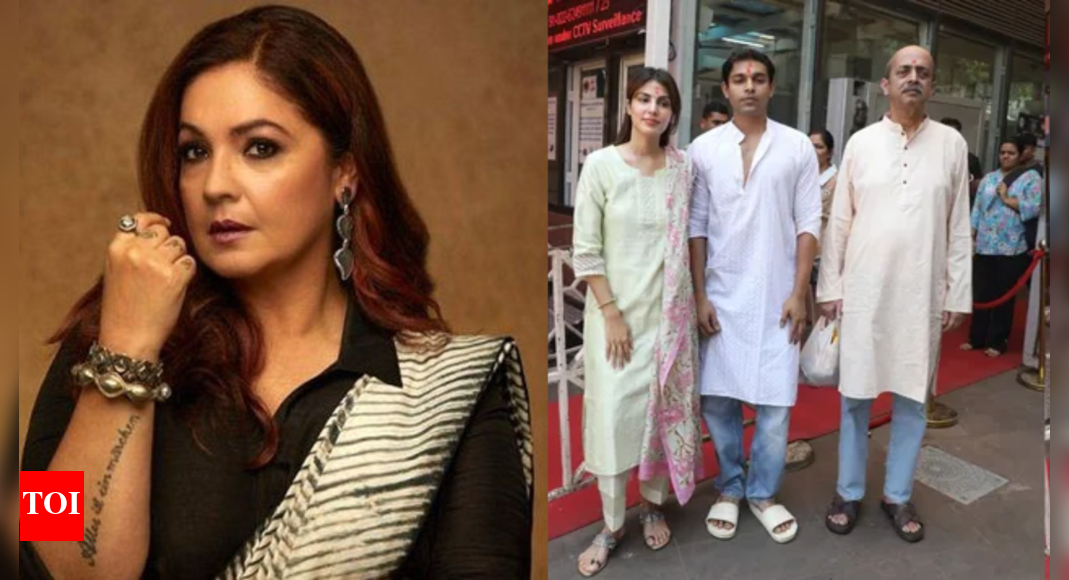
The closure of the Sushant Singh Rajput case by the Central Bureau of Investigation (CBI) has brought a sense of finality to a saga that has captivated and divided the nation for years. The CBI's report, officially submitted on March 22, 2025, concluded that Rajput's death was a suicide, effectively clearing Rhea Chakraborty and others who had been implicated in the case. This development marks a significant turning point, bringing an end to the relentless scrutiny and speculation that has surrounded Chakraborty since Rajput's death in June 2020. The intense media coverage and public outcry that followed Rajput's death created a highly charged atmosphere, making it difficult to separate facts from conjecture. Accusations of foul play, murder, and financial impropriety were leveled against Chakraborty, fueled by social media campaigns and sensationalized news reports. The CBI's investigation, therefore, was conducted under immense pressure, with the weight of public opinion bearing down on its every move. The investigation itself was a complex undertaking, involving forensic analysis, witness interviews, and scrutiny of financial records. The CBI's team meticulously examined the circumstances surrounding Rajput's death, attempting to reconstruct the events leading up to that tragic day. The investigation also delved into the allegations made against Chakraborty, exploring the claims of financial misappropriation and mental harassment. The CBI's final report, which concluded that Rajput's death was a suicide, was based on a thorough examination of the available evidence. The report also dismissed the allegations of foul play and cleared Chakraborty of any wrongdoing. This conclusion, however, has not been universally accepted, with some continuing to question the circumstances surrounding Rajput's death. The skepticism and doubt reflect the deep divisions that have emerged within the public discourse surrounding the case. The Pooja Bhatt's reaction to the CBI report is a reflection of the broader relief and vindication felt by those who believed in Chakraborty's innocence. Bhatt, a prominent figure in the Indian film industry, has been a vocal supporter of Chakraborty throughout the ordeal. Her decision to revisit an earlier tweet by Akshay Kumar, adding her own message of 'Truth has prevailed,' underscores the significance of the CBI's report in clearing Chakraborty's name. Bhatt's statement, however, has also sparked controversy, with some interpreting it as a subtle jab at Kumar's earlier call for justice for Rajput. The debate surrounding Bhatt's statement highlights the sensitivity and emotional investment that many people have in the case. The visit of Rhea Chakraborty, her father, and her brother Showik to the Siddhivinayak Temple is a symbolic gesture, marking a new beginning after years of turmoil. The temple visit represents a spiritual cleansing, a desire to move forward from the trauma and negativity that has plagued Chakraborty's life since Rajput's death. The act of seeking blessings at the temple also reflects a sense of gratitude for the CBI's report and the opportunity to rebuild her life. The journey back to normalcy will undoubtedly be a long and arduous one for Chakraborty. She has faced immense public scrutiny, personal attacks, and legal challenges. The emotional scars of this experience are likely to remain for years to come. However, the CBI's report provides a foundation for Chakraborty to begin the process of healing and rebuilding her career. The support of her family and friends, as well as the growing public acceptance of her innocence, will be crucial in helping her navigate this challenging path. The case also serves as a cautionary tale about the dangers of trial by media and the impact of social media on justice. The relentless public shaming and accusations leveled against Chakraborty highlight the potential for online platforms to amplify misinformation and prejudice. The case underscores the importance of responsible journalism, due process, and the presumption of innocence. The Sushant Singh Rajput case has exposed deep divisions within Indian society, revealing the challenges of navigating grief, public opinion, and the pursuit of justice. The CBI's closure report represents a step towards resolution, but it is unlikely to completely quell the controversy surrounding the case. The lessons learned from this tragic episode should serve as a reminder of the importance of empathy, understanding, and the need for a more nuanced approach to complex and sensitive issues.
The implications of the CBI's findings extend beyond the immediate individuals involved. The case ignited a firestorm of media attention, fueled by social media speculation and partisan narratives, ultimately shaping public perception and impacting the investigation itself. This raises serious questions about the role of media in influencing legal proceedings and the potential for misinformation to distort justice. The media's coverage of the case often prioritized sensationalism over factual reporting, contributing to a climate of animosity and prejudgment. This phenomenon underscores the need for greater media literacy among the public and a renewed commitment to ethical journalism within the industry. The constant barrage of negative press and unfounded accusations had a devastating impact on Rhea Chakraborty's life, subjecting her to relentless online harassment and threatening her career. This serves as a stark reminder of the power of online mobs and the potential for social media to be weaponized against individuals. The legal system, while ultimately clearing Chakraborty, also faced criticism for its slow pace and perceived inefficiencies. The delay in reaching a definitive conclusion prolonged the uncertainty and suffering for all parties involved. This highlights the need for reforms to streamline legal processes and ensure timely justice. The case also brought to light the issue of mental health stigma in India. Sushant Singh Rajput's struggles with mental health were often overlooked or dismissed in the media coverage, perpetuating harmful stereotypes and hindering open discussions about mental well-being. This underscores the urgent need to raise awareness about mental health issues and provide accessible support services for those in need. The CBI's report, while bringing closure to the legal aspects of the case, does not erase the tragedy of Sushant Singh Rajput's death. His loss continues to be mourned by his family, friends, and fans. The case serves as a reminder of the importance of cherishing life and seeking help when struggling with mental health challenges. The aftermath of the case has also prompted a reassessment of the entertainment industry in India. The intense scrutiny of Bollywood actors and their personal lives has led to calls for greater accountability and transparency. The industry is also grappling with issues of nepotism and power imbalances, which have been highlighted by the case. The CBI's findings represent a significant turning point, but they do not signal the end of the conversation. The case will continue to be debated and analyzed for years to come. It is essential that we learn from this experience and work towards creating a more just, compassionate, and informed society. The lessons learned should inform our approach to media consumption, online behavior, and mental health awareness. The case serves as a reminder of the importance of empathy, critical thinking, and the pursuit of truth. It is our collective responsibility to ensure that justice is served fairly and that the voices of the vulnerable are heard. The journey towards healing and reconciliation will be long and challenging, but it is a journey worth undertaking. The Sushant Singh Rajput case has left an indelible mark on Indian society, and its legacy will continue to shape our understanding of justice, media, and mental health for generations to come.
Beyond the immediate aftermath and the legal conclusions, the Sushant Singh Rajput case presents a complex tapestry of social, cultural, and psychological dimensions that warrant deeper exploration. The fervent public interest in the case, often bordering on obsession, reveals a collective fascination with celebrity culture, the fragility of fame, and the human condition. The intense media scrutiny, while partially driven by public demand, also highlights the ethical challenges faced by news organizations in balancing the public's right to know with the individual's right to privacy. The case serves as a stark reminder of the power of media narratives to shape public perception and influence legal outcomes. The outpouring of grief and anger following Rajput's death underscores the deep emotional connection that fans often feel towards celebrities. This connection, while often positive and supportive, can also be exploited by unscrupulous actors for personal or political gain. The case also highlights the vulnerability of celebrities to mental health issues. The pressures of fame, the constant scrutiny, and the lack of privacy can take a toll on even the strongest individuals. It is essential that we create a more supportive and understanding environment for celebrities, recognizing their humanity and offering them access to mental health resources. The Rhea Chakraborty's experience in the case exemplifies the challenges faced by women in the Indian society who are accused of wrongdoing. She faced relentless online harassment, public shaming, and character assassination, often based on flimsy evidence and patriarchal stereotypes. The case serves as a reminder of the pervasive gender bias that still exists in the Indian society and the urgent need to address it. The CBI's findings, while vindicating Chakraborty in the eyes of the law, may not completely erase the stigma and prejudice she has faced. It is essential that we continue to challenge the narratives that perpetuate negative stereotypes and offer her the opportunity to rebuild her life and career. The Sushant Singh Rajput case also raises important questions about the role of law enforcement agencies in handling high-profile cases. The CBI's investigation was conducted under intense public pressure, and its findings have been met with skepticism by some. It is essential that law enforcement agencies maintain their independence and integrity, ensuring that justice is served fairly and impartially. The case serves as a reminder of the importance of transparency and accountability in law enforcement. The public has the right to know that investigations are being conducted thoroughly and fairly. The Sushant Singh Rajput case has been a painful and divisive experience for the Indian society. However, it also presents an opportunity for reflection and learning. By examining the social, cultural, and psychological dimensions of the case, we can gain a deeper understanding of ourselves and our society. It is essential that we move forward with compassion, empathy, and a commitment to justice for all. The legacy of the Sushant Singh Rajput case should be one of healing, reconciliation, and a renewed commitment to creating a more just and equitable society.