
 |
|
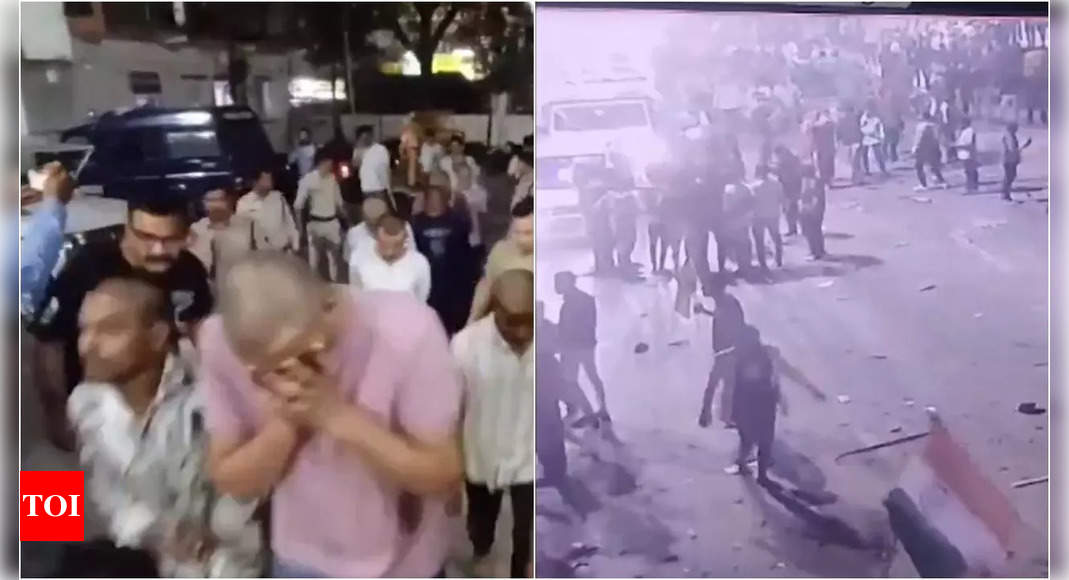
The article details incidents of excessive police action following celebrations after India's Champions Trophy victory in Madhya Pradesh. Specifically, it focuses on two incidents: one in Dewas and another in Mhow. In Dewas, individuals celebrating the victory allegedly created a ruckus and misbehaved with the police, even attempting to vandalize a police vehicle. The police response, however, went beyond standard law enforcement procedures. They reportedly took the accused youths into custody, shaved their heads, and paraded them in public. This action raises serious questions about the proportionality of the response and potential violations of human rights. Public humiliation and degrading treatment are generally considered unacceptable forms of punishment, especially before due process has been followed and guilt established in a court of law. The incident in Mhow involved more serious acts of violence. Clashes erupted, resulting in stone pelting and injuries to several people. Property was damaged, including automobiles and two-wheelers that were vandalized and burnt. The police detained 13 people in connection with the arson and violence. The collector's statement attributes the conflict to an altercation near a mosque between participants of a procession and another group. This suggests a potential communal element to the violence, although the article does not explicitly state the specific nature of the disagreement. The incidents highlight the complex challenges of managing public celebrations and maintaining order. While the police have a responsibility to prevent and address unlawful behavior, their actions must be consistent with legal and ethical standards. The shaving of heads and public parading of suspects in Dewas represents a concerning overreach of authority and raises concerns about police accountability and adherence to human rights principles. The violence in Mhow underscores the potential for celebrations to escalate into conflict, particularly in sensitive areas where communal tensions may exist. Effective policing strategies in such situations require careful planning, community engagement, and a commitment to de-escalation tactics.
The core issue at play in the Dewas incident is the blatant disregard for due process and human rights. Even if the individuals involved did create a ruckus and vandalize property, the police response of shaving their heads and parading them through the streets is a form of extrajudicial punishment. This is a direct violation of fundamental rights, including the right to dignity and the presumption of innocence until proven guilty. Such actions undermine the rule of law and erode public trust in law enforcement. Instead of resorting to such draconian measures, the police should have followed standard legal procedures, which would have involved arresting the suspects, conducting a thorough investigation, and presenting the evidence in court. If found guilty, the individuals could then be punished according to the law. The police action in Dewas not only violates the rights of the accused but also sends a dangerous message that law enforcement is above the law and can act with impunity. This can create a climate of fear and distrust, making it more difficult to maintain order and build positive relationships between the police and the community. Furthermore, the public parading of the accused can have devastating social consequences for them and their families. It can lead to social stigma, ostracization, and difficulty in finding employment. This type of public shaming is not only inhumane but also counterproductive, as it can further marginalize individuals and increase the likelihood of future offending. The incident in Mhow presents a different set of challenges, involving intergroup conflict and violence. The collector's statement suggests that the altercation originated near a mosque, implying a possible communal dimension to the clashes. In such situations, it is crucial for the police to act impartially and avoid taking sides. Their primary responsibility is to restore order, protect lives and property, and prevent further escalation of the violence. This requires careful planning, effective communication, and a willingness to engage with community leaders to address the underlying causes of the conflict.
A crucial element missing from the article is a deeper investigation into the motivations behind both incidents. Why did the youths in Dewas allegedly vandalize the police vehicle? What were the specific grievances or tensions that led to the altercation near the mosque in Mhow? Understanding these underlying factors is essential for developing effective strategies to prevent similar incidents from happening in the future. In the case of Dewas, it is possible that the youths' behavior was simply a result of excessive exuberance and alcohol consumption during the celebration. However, it is also possible that there were pre-existing tensions between the community and the police that contributed to the incident. A thorough investigation should explore both possibilities. In the case of Mhow, it is important to understand the historical context of intergroup relations in the area. Are there long-standing grievances or disputes between different religious or ethnic groups? What are the underlying socio-economic factors that contribute to tensions? Addressing these underlying issues is crucial for promoting long-term peace and stability. The role of social media in exacerbating tensions should also be considered. In today's world, rumors and misinformation can spread rapidly through social media platforms, inflaming passions and inciting violence. It is important for the authorities to monitor social media channels and actively combat the spread of false information. Finally, it is essential to ensure that the police are adequately trained and equipped to handle such situations. They should be trained in de-escalation techniques, crowd control, and community policing. They should also be equipped with the necessary resources to investigate incidents thoroughly and bring perpetrators to justice. In conclusion, the article highlights two disturbing incidents that raise serious questions about police accountability, human rights, and intergroup relations in Madhya Pradesh. Addressing these challenges requires a comprehensive approach that includes thorough investigations, fair legal processes, community engagement, and a commitment to promoting peace and understanding.
The incident in Dewas also raises questions about the effectiveness of police oversight mechanisms. If the police are allowed to act with impunity, it is likely that such abuses will continue to occur. It is therefore essential to have robust and independent mechanisms in place to investigate allegations of police misconduct and hold officers accountable for their actions. These mechanisms should be transparent and accessible to the public. Victims of police abuse should have the right to file complaints and receive a fair hearing. The independent oversight body should have the power to investigate complaints, subpoena witnesses, and recommend disciplinary action or criminal charges against officers who are found to have engaged in misconduct. In addition to independent oversight, it is also important to promote a culture of accountability within the police force itself. This can be achieved through training programs that emphasize human rights, ethical policing, and de-escalation techniques. Police officers should be encouraged to report misconduct by their colleagues and should be protected from retaliation for doing so. The police leadership should also make it clear that abuse of power will not be tolerated and that officers who engage in such behavior will be held accountable. Furthermore, the incident in Mhow underscores the importance of promoting interfaith dialogue and understanding. Religious and community leaders should work together to build bridges between different groups and address any underlying tensions or grievances. Schools should also play a role in promoting tolerance and respect for diversity. Curricula should include lessons on different religions and cultures, and students should be encouraged to interact with people from different backgrounds. Community-based initiatives can also be effective in promoting interfaith understanding. These initiatives can involve bringing people from different religious groups together for social events, volunteer projects, or educational programs. By working together on common goals, people can build relationships and overcome stereotypes. It is also important to address the socio-economic factors that contribute to intergroup tensions. Poverty, unemployment, and lack of access to education can all create resentment and frustration, which can then be exploited by extremists. Governments should invest in programs that promote economic development and create opportunities for all members of society. These programs should be designed to be inclusive and should address the specific needs of marginalized communities.
The role of political influence on policing should also be examined. Are there political pressures that encourage the police to act in a certain way? Are there incentives for them to be overly aggressive or to target certain groups? It's important to ensure that the police operate independently and are not subject to undue political influence. This requires clear legal frameworks and strong institutional safeguards. The judiciary also plays a critical role in ensuring police accountability. Judges should be vigilant in protecting the rights of the accused and should not hesitate to throw out evidence that was obtained illegally or through coercion. They should also be willing to impose appropriate sanctions on police officers who are found to have engaged in misconduct. In addition to formal legal mechanisms, civil society organizations and the media also play an important role in holding the police accountable. These groups can monitor police activity, document abuses, and advocate for policy changes. They can also provide legal assistance to victims of police abuse and raise public awareness about issues of police misconduct. It is also important to address the root causes of crime and violence. This requires a multi-faceted approach that includes investing in education, job training, and social services. It also requires addressing issues of poverty, inequality, and discrimination. By creating a more just and equitable society, we can reduce the incentives for people to engage in criminal behavior. Finally, it is important to remember that policing is a complex and challenging job. Police officers are often faced with difficult and dangerous situations, and they must make split-second decisions under pressure. It is therefore important to provide them with the training, resources, and support they need to do their jobs effectively and safely. This includes training in de-escalation techniques, crisis intervention, and community policing. It also includes providing them with access to mental health services and support groups. By supporting our police officers, we can help them to better serve and protect our communities. In conclusion, the incidents in Madhya Pradesh highlight the need for comprehensive police reform. This reform should include measures to improve police accountability, promote human rights, and address the root causes of crime and violence. By working together, we can create a more just and equitable society where everyone is safe and respected.
Source: MP: Police shave heads and parade those accused of creating ruckus after Champions Trophy win