
 |
|
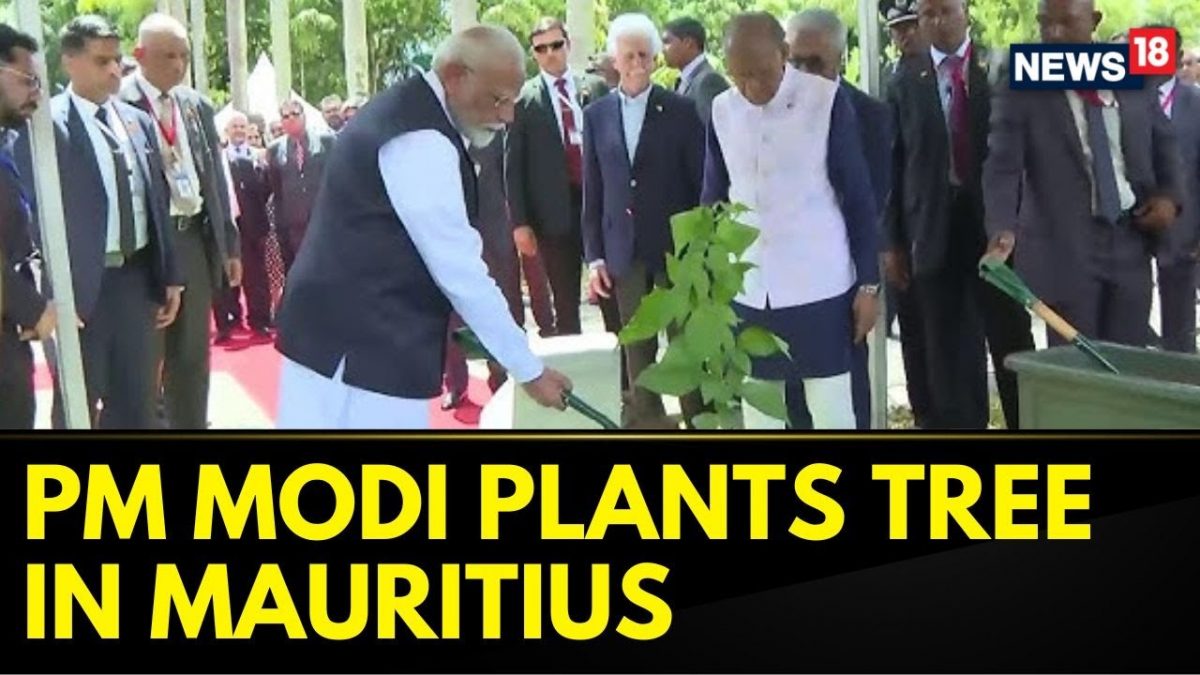
This short article, titled 'PM Modi Plants 'Wood Apple Plant' In Mauritius As Part Of The 'Ek Pedh Maa Ke Naam' Initiative,' doesn't provide much substantial content beyond the title itself. The bulk of the provided text is a copyright notice from CNN and Network18. The actual event—Prime Minister Modi planting a 'wood apple plant' in Mauritius—is only alluded to. To construct a meaningful essay, we have to extrapolate from the title and the general context of such initiatives. We can explore the broader significance of tree-planting campaigns, the potential environmental impact of Modi's actions, and the political implications of such symbolic gestures on an international stage. The 'Ek Pedh Maa Ke Naam' initiative suggests a connection between environmentalism and honoring motherhood. This could involve promoting sustainable practices within families, encouraging mothers to educate their children about environmental conservation, or simply using the symbolic act of planting a tree as a tribute to maternal figures. The choice of the wood apple plant is also notable. While the article doesn't elaborate on this, wood apple trees have specific ecological and cultural significance in many regions. They can provide shade, fruit, and other resources for local communities. Understanding the properties and benefits of the wood apple plant can add a layer of depth to the understanding of Modi's symbolic gesture. Beyond the environmental aspect, the tree planting event in Mauritius holds political weight. It signifies a commitment to environmental cooperation between India and Mauritius, highlighting the importance of international collaboration in addressing global environmental challenges. Such gestures can also strengthen diplomatic ties and promote goodwill between nations. Furthermore, the act of planting a tree in a foreign country can be seen as a symbol of long-term commitment and investment in the host nation's future. However, it is essential to critically analyze such events. While seemingly positive, tree-planting campaigns can sometimes be used as a form of 'greenwashing,' where symbolic actions are used to distract from more significant environmental concerns. It is crucial to examine the broader environmental policies of India and Mauritius to assess the genuine commitment to sustainability. For instance, are there measures in place to address deforestation, pollution, and climate change? Are the benefits of tree-planting initiatives equitably distributed among different communities? These are essential questions to consider when evaluating the true impact of such events. Moreover, the context surrounding the CNN and Network18 copyright notice raises questions about the article's original source and purpose. The inclusion of such a detailed legal disclaimer suggests that the article might be derived from a larger news source. It is important to be aware of potential biases and limitations when relying on short snippets of information from larger media outlets. Finally, the article's brevity underscores the importance of seeking diverse sources of information and engaging in critical analysis to form a comprehensive understanding of complex issues. Relying solely on headlines or brief news items can lead to a superficial understanding of events and potentially miss crucial context and nuances. Therefore, the 'PM Modi Plants 'Wood Apple Plant' In Mauritius As Part Of The 'Ek Pedh Maa Ke Naam' Initiative' article, though short, acts as a starting point to delve into the various ecological, political, and cultural contexts surrounding environmental initiatives and international relations.
Expanding further on the 'Ek Pedh Maa Ke Naam' initiative, it's plausible that the program aims to increase awareness about deforestation and its impact on future generations. Forests play a crucial role in maintaining ecological balance, regulating climate, and providing essential resources for communities. Deforestation contributes to soil erosion, loss of biodiversity, and increased greenhouse gas emissions, all of which disproportionately affect vulnerable populations. By associating tree planting with honoring mothers, the initiative attempts to create a personal connection to environmental stewardship, encouraging individuals to take responsibility for protecting the planet for their children's and grandchildren's well-being. The initiative could also integrate educational programs about the importance of biodiversity and the role of native tree species in local ecosystems. Often, tree-planting campaigns prioritize fast-growing exotic species over native trees, which can have detrimental consequences for local biodiversity. Promoting the planting of native trees ensures that the campaign contributes to restoring natural ecosystems and supporting local flora and fauna. Furthermore, the 'Ek Pedh Maa Ke Naam' initiative could focus on empowering women in environmental conservation. Women often play a critical role in managing natural resources in rural communities, and their knowledge and perspectives are essential for developing sustainable solutions. By involving women in tree-planting activities and providing them with training and resources, the initiative can contribute to gender equality and promote sustainable development. The symbolism of planting a wood apple tree is also noteworthy. Wood apple trees are known for their resilience and adaptability to harsh environmental conditions. They can thrive in arid and semi-arid regions, making them valuable for combating desertification and soil erosion. The fruit of the wood apple tree is also highly nutritious and has medicinal properties, making it a valuable resource for local communities. By planting a wood apple tree, PM Modi might be sending a message about the importance of resilience, sustainability, and the need to adapt to changing environmental conditions. From a political standpoint, the tree-planting event can be viewed as a form of soft diplomacy, strengthening ties between India and Mauritius through shared environmental goals. Mauritius is an island nation highly vulnerable to climate change impacts, such as rising sea levels and extreme weather events. By demonstrating a commitment to environmental cooperation, India can enhance its relationship with Mauritius and position itself as a leader in addressing climate change in the region. However, it's crucial to avoid viewing such events in isolation. A genuine commitment to environmental sustainability requires comprehensive policies that address the root causes of environmental degradation. India and Mauritius need to implement policies to reduce greenhouse gas emissions, promote renewable energy, protect forests, and manage natural resources sustainably. The tree-planting event should be seen as one component of a broader strategy to address environmental challenges, not as a substitute for more substantive action. In conclusion, while the original article is brief and primarily consists of a copyright notice, the event it describes—PM Modi planting a wood apple tree in Mauritius as part of the 'Ek Pedh Maa Ke Naam' initiative—offers a starting point for exploring various interconnected themes: environmental stewardship, international relations, and the symbolism of environmental action. The initiative's success will depend on its ability to raise awareness, promote sustainable practices, empower local communities, and contribute to a broader effort to address climate change and protect the environment.
Considering the implications of the CNN and Network18 copyright notice, it suggests the information presented, albeit scant, originated from a larger news report or piece of content owned by these media entities. The presence of such a detailed notice indicates that the publisher, NEWS18.com, is potentially re-using or quoting material covered by these copyrights. This situation underscores the complexities of content ownership and distribution in the digital age. News organizations expend significant resources in gathering information, producing reports, and creating original content. Copyright laws are designed to protect these investments and prevent unauthorized copying or redistribution of their work. By including the copyright notice, NEWS18.com is acknowledging the ownership rights of CNN and Network18 and attempting to ensure compliance with copyright laws. However, the inclusion of the notice also raises questions about the extent to which NEWS18.com has relied on the original source material. If the article is simply a brief summary or re-wording of the original CNN or Network18 report, it may raise ethical concerns about fair use and attribution. In journalism, it is essential to provide proper credit to the original sources of information and to avoid plagiarism. The absence of a direct citation to the original source makes it difficult to assess the extent of NEWS18.com's reliance on the copyrighted material. Furthermore, the copyright notice highlights the importance of media literacy in the digital age. Consumers of news and information should be aware of the sources of the content they consume and be able to evaluate the credibility and biases of different media outlets. By understanding the ownership and copyright status of content, consumers can make more informed decisions about the information they trust and share. The copyright notice also underscores the challenges faced by news organizations in protecting their intellectual property in the digital age. The ease with which content can be copied and shared online makes it difficult to control unauthorized distribution. News organizations are constantly developing new strategies to protect their content, including the use of digital watermarks, content monitoring tools, and legal action against copyright infringers. Moreover, the copyright notice can be seen as a reminder of the value of independent journalism. News organizations play a crucial role in holding governments and corporations accountable, providing information to the public, and fostering informed debate. Protecting the intellectual property rights of news organizations is essential to ensure their continued ability to perform these vital functions. In conclusion, the inclusion of the CNN and Network18 copyright notice in the article about PM Modi's tree-planting event serves as a reminder of the complexities of content ownership, distribution, and the importance of media literacy in the digital age. It highlights the need for news organizations to protect their intellectual property rights and for consumers to be aware of the sources of the information they consume.
Diving deeper into the potential motivations behind publicizing PM Modi's participation in the 'Ek Pedh Maa Ke Naam' initiative, particularly in relation to environmental communication and public perception, it becomes clear that such events are strategically leveraged to cultivate a particular image, both domestically and internationally. The act of planting a tree, a seemingly simple gesture, carries significant symbolic weight. It represents growth, sustainability, and a connection to nature – all positive associations that politicians often seek to align themselves with. By participating in and publicizing such events, leaders aim to project an image of environmental consciousness and commitment to sustainable development. This can be particularly important in an era of growing environmental awareness, where citizens are increasingly concerned about climate change, pollution, and the depletion of natural resources. For PM Modi, the 'Ek Pedh Maa Ke Naam' initiative provides an opportunity to connect with a broader audience, including those who may not be directly engaged in political discourse. The association with motherhood, a universally valued concept, can further enhance the appeal and resonance of the message. By framing the initiative as a tribute to mothers, it taps into emotions of gratitude, respect, and responsibility, making it more likely to resonate with the public. Furthermore, the event in Mauritius serves to project India's commitment to environmental cooperation on the international stage. Mauritius, as a small island developing state, is particularly vulnerable to the impacts of climate change, such as rising sea levels and extreme weather events. By engaging in joint environmental initiatives with Mauritius, India can demonstrate its solidarity with vulnerable nations and position itself as a leader in addressing global environmental challenges. However, it is crucial to critically evaluate the underlying motivations and broader context of such events. Public relations campaigns are often designed to create a positive image, but they may not always reflect genuine commitment to environmental sustainability. It is important to examine the actual environmental policies and practices of the government, rather than simply relying on symbolic gestures. For example, is the government investing in renewable energy, reducing greenhouse gas emissions, protecting forests, and promoting sustainable agriculture? Are there mechanisms in place to hold corporations accountable for environmental damage? Are environmental regulations effectively enforced? These are essential questions to consider when evaluating the true commitment to environmental sustainability. Moreover, the public should be aware of the potential for 'greenwashing,' where symbolic actions are used to distract from more significant environmental concerns. By scrutinizing the details of environmental initiatives and holding governments accountable for their promises, citizens can ensure that these actions lead to meaningful and lasting change. In conclusion, while PM Modi's participation in the 'Ek Pedh Maa Ke Naam' initiative may be seen as a positive step towards promoting environmental awareness and cooperation, it is essential to critically evaluate the underlying motivations and broader context of such events. The public should demand transparency, accountability, and a genuine commitment to environmental sustainability, rather than simply accepting symbolic gestures at face value.
Analyzing the potential implications for local communities in Mauritius stemming from PM Modi's tree-planting initiative, it becomes evident that the success of such an endeavor hinges on the active participation and empowerment of the local population. While symbolic gestures can generate positive media coverage and foster goodwill, the true impact lies in the long-term benefits and sustainability of the project for the communities directly affected. The selection of the wood apple plant is a significant factor in determining the impact of the initiative. Wood apple trees, if suitable for the local ecosystem in Mauritius, can provide a range of benefits to the community. These trees can offer shade, help prevent soil erosion, and provide a source of food and medicine. The fruit of the wood apple is known for its nutritional value and medicinal properties, and it can be used in a variety of traditional remedies. However, it is crucial to ensure that the planting of wood apple trees does not negatively impact existing biodiversity or displace native plant species. A thorough ecological assessment should be conducted to determine the suitability of the species for the local environment and to minimize any potential negative impacts. Furthermore, the initiative should involve the local community in the planning and implementation of the tree-planting activities. This includes consulting with local residents to identify suitable locations for planting, providing training on tree care and maintenance, and ensuring that the community has access to the resources needed to sustain the project over time. By involving the community in the decision-making process, the initiative can build ownership and ensure that the project meets the needs of the local population. In addition, the initiative should consider the economic opportunities that can be created through the planting and management of wood apple trees. For example, local residents could be trained to cultivate and harvest the wood apple fruit, which could then be sold in local markets or exported to other countries. This could provide a source of income for the community and contribute to local economic development. The 'Ek Pedh Maa Ke Naam' initiative can also serve as an opportunity to educate the local community about the importance of environmental conservation and sustainable development. Educational programs can be designed to teach residents about the benefits of trees, the importance of biodiversity, and the need to protect natural resources for future generations. These programs can be tailored to the specific needs and interests of the local community and can be delivered through schools, community centers, and other local organizations. However, it is important to be aware of the potential for unintended consequences. Tree-planting initiatives can sometimes lead to land grabbing, where local communities are displaced from their land to make way for tree plantations. It is crucial to ensure that the rights of local communities are protected and that they are not displaced from their land as a result of the initiative. In conclusion, PM Modi's tree-planting initiative in Mauritius has the potential to benefit local communities, but its success will depend on careful planning, active community participation, and a commitment to sustainable development. By involving the local community in the decision-making process, providing training and resources, and protecting their rights, the initiative can contribute to the long-term well-being of the local population and promote environmental sustainability.
Source: PM Modi Plants 'Wood Apple Plant' In Mauritius As Part Of The 'Ek Pedh Maa Ke Naam' Initiative