
 |
|
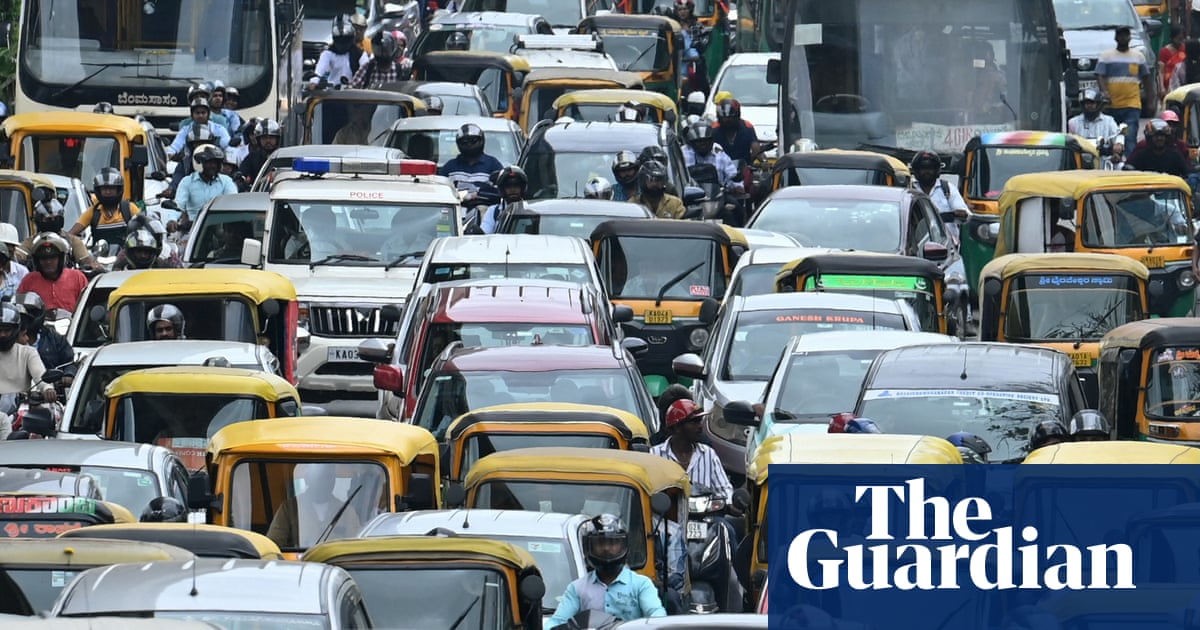
The report detailed in the provided article paints a concerning picture of global air quality. It reveals that an overwhelming majority of nations fail to meet the air quality guidelines set by the World Health Organization (WHO), specifically concerning the concentration of particulate matter 2.5 (PM2.5). This underscores a widespread environmental health crisis with significant implications for human health and well-being. The article highlights the stark disparities in air quality across different regions, with some countries experiencing pollution levels far exceeding the recommended limits, while only a handful manage to maintain acceptable standards. This situation demands urgent attention and concerted efforts to mitigate the sources of air pollution and protect public health.
The analysis presented by IQAir identifies only seven countries that meet the WHO's standard for PM2.5, which is an annual average of no more than 5 micrograms per cubic meter. These countries, primarily Australia, New Zealand, Estonia, and Iceland, along with some small island states, represent a tiny fraction of the global population. Conversely, the countries with the highest levels of PM2.5 pollution include Chad, Bangladesh, Pakistan, the Democratic Republic of the Congo, and India. In these nations, PM2.5 levels are alarmingly high, often exceeding the WHO guideline limits by tenfold or more. The disparity in air quality between these nations illustrates the significant environmental challenges faced by developing countries and the urgent need for improved air quality monitoring and mitigation strategies. These disparities also highlight the ethical dimensions of environmental pollution, as vulnerable populations disproportionately bear the burden of poor air quality.
The article emphasizes the severe health risks associated with exposure to PM2.5. These tiny particles can penetrate deep into the respiratory system and enter the bloodstream, leading to a range of adverse health outcomes, including respiratory illnesses, cardiovascular diseases, and even cancer. Doctors emphasize that there are no safe levels of PM2.5 exposure, further highlighting the gravity of the situation. Frank Hammes, CEO of IQAir, aptly notes that the long-term health impacts of air pollution often go unnoticed until it is too late, emphasizing the importance of preventative measures. The article also points out that air pollution is a major risk factor for premature death, second only to high blood pressure, making it a critical public health priority.
Despite the bleak overall picture, the article also identifies some positive trends. The proportion of cities meeting the WHO's PM2.5 standards has increased from 9% in 2023 to 17% in 2024, indicating some progress in air quality management efforts. India, which is home to several of the world's most polluted cities, has seen a 7% reduction in air pollution between 2023 and 2024. Similarly, China has made significant strides in improving its air quality, with PM2.5 pollution levels decreasing by almost half between 2013 and 2020. These improvements demonstrate that effective policies and interventions can lead to tangible improvements in air quality.
The article highlights the complexity of air pollution, showing how even within a relatively clean continent like Europe, substantial disparities exist. Eastern European and non-EU Balkan countries experience the most polluted air in Europe, with PM2.5 levels up to 20 times higher in some cities compared to the least polluted areas. These findings suggest that regional cooperation and targeted interventions are crucial for addressing air pollution effectively, particularly in areas with persistent environmental challenges.
The article suggests several policy interventions that governments can implement to improve air quality. These include investing in renewable energy projects and public transportation, promoting walking and cycling through infrastructure development, and banning the burning of farm waste. By adopting these measures, governments can reduce emissions from various sources and create a healthier environment for their citizens. These recommended interventions are consistent with broader efforts to promote sustainable development and mitigate climate change.
The report's methodology relies on real-time air quality data measured at ground level. This data is collected from a network of monitoring stations operated by governments, non-profit organizations, schools, universities, and private citizens. While this approach provides valuable insights into air quality, the article also acknowledges the limitations of the data, particularly in regions with limited monitoring infrastructure. The lack of comprehensive data in parts of Africa and west Asia, for example, means that some countries were excluded from the analysis. The article also points out that poorer countries often lack the resources to invest in air quality monitoring, which can hinder efforts to inform citizens and implement effective policies.
Experts who were not directly involved in the report have emphasized the importance of its findings. Zorana Jovanovic Andersen, an environmental epidemiologist at the University of Copenhagen, highlights the significant disparities in air quality, even within the cleanest continents. Roel Vermeulen, an environmental epidemiologist at Utrecht University, notes that the report's findings are consistent with previous research and underscores the widespread nature of air pollution. These expert opinions reinforce the credibility of the report and highlight the urgency of addressing air pollution as a global health priority.
The global air quality crisis described in the article has far-reaching implications for sustainable development and environmental justice. Poor air quality disproportionately affects vulnerable populations, including children, the elderly, and those with pre-existing health conditions. Furthermore, air pollution is often linked to other environmental problems, such as climate change and deforestation, creating a complex web of interconnected challenges. Addressing air pollution effectively requires a comprehensive approach that considers the social, economic, and environmental dimensions of the problem.
In conclusion, the article provides a compelling overview of the global air quality crisis, highlighting the widespread failure to meet WHO guidelines, the associated health risks, and the disparities in air quality across different regions. While the challenges are significant, the article also identifies some positive trends and suggests policy interventions that can lead to improvements in air quality. Ultimately, addressing air pollution requires a concerted effort from governments, organizations, and individuals to prioritize clean air and protect public health. Failing to do so carries severe consequences for the well-being of current and future generations. The article’s concluding remarks by Roel Vermeulen, stressing that “virtually everyone globally is breathing bad air” and the large disparities in exposure levels, underscores the need for global action and localized solutions to ensure everyone has access to clean, breathable air.
Source: Only seven countries worldwide meet WHO dirty air guidelines, study shows