
 |
|
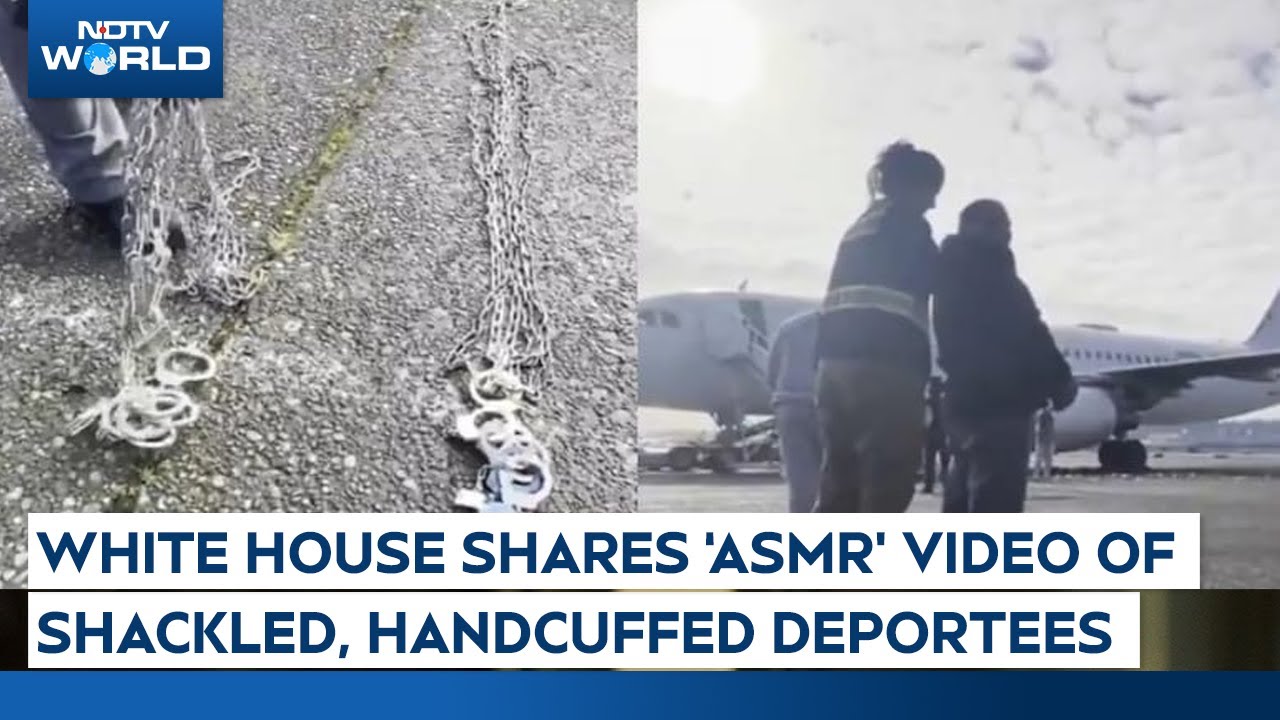
The White House's recent release of a video depicting undocumented immigrants in chains and handcuffs aboard a deportation flight has ignited a firestorm of controversy. The 41-second clip, jarringly titled "ASMR: Illegal Alien Deportation Flight," showcases close-up shots of restraints being applied and migrants being led onto a plane, their hands and ankles bound. The video's dissemination via X (formerly Twitter), a platform known for its rapid dissemination of information and often volatile political discourse, immediately sparked widespread outrage and condemnation from various human rights organizations, immigration advocacy groups, and political opponents. Critics have accused the administration of using the video as a form of political messaging, aiming to garner support for stricter immigration policies or to demonize undocumented immigrants. The graphic nature of the video, coupled with its seemingly insensitive title, has drawn parallels to historical instances of dehumanizing imagery used to justify discriminatory practices.
The use of the term "ASMR" in the video's title adds another layer of complexity to the controversy. ASMR, or autonomous sensory meridian response, is typically associated with relaxing and soothing audio-visual content aimed at inducing feelings of calm and well-being. The stark contrast between the intended calming effect of ASMR and the jarring imagery of restrained migrants creates a jarring dissonance that many find deeply unsettling. This deliberate juxtaposition has been interpreted by critics as a cynical attempt to normalize or even trivialize the dehumanizing aspects of the deportation process. The deliberate choice of close-up shots of shackles and cuffs, emphasizing the physical restraints on the migrants, further underscores the potential for the video to be interpreted as deliberately provocative and inflammatory.
The ethical implications of releasing such a video are profound. Critics argue that the video violates the dignity and privacy of the individuals depicted, potentially exposing them to further harassment or violence. The lack of context surrounding the individuals' backgrounds, reasons for deportation, or due process afforded to them, further fuels the perception that the video serves primarily as a propagandistic tool. This raises important questions about the government's responsibility to protect the privacy and well-being of vulnerable individuals, particularly those facing deportation. Furthermore, the video's impact on public perception of immigration and deportation policies cannot be ignored. The emotionally charged imagery could exacerbate anti-immigrant sentiment and contribute to a climate of fear and distrust within immigrant communities.
The legal ramifications of releasing such a video are also significant. Questions arise concerning potential violations of privacy rights, particularly given the close-up nature of the footage and the individuals' lack of consent. The video's potential to incite hatred or violence could also lead to legal challenges. The broader context of the administration's immigration policies and enforcement practices will inevitably be scrutinized as a result of this controversy. The video’s release has also prompted a renewed debate on the use of social media by government agencies, raising questions about the appropriate use of platforms like X for disseminating sensitive information and the potential for such content to be misinterpreted or weaponized for political purposes.
Beyond the immediate controversy surrounding the video itself, the incident raises broader questions about the ethical and practical aspects of immigration enforcement. The debate extends beyond the video's content to include considerations of due process, humane treatment of detainees, and the overall effectiveness and fairness of deportation policies. The White House's actions have intensified the ongoing national dialogue about immigration, prompting calls for greater transparency, accountability, and a more humane approach to immigration enforcement. The incident serves as a stark reminder of the complexities and sensitivities surrounding immigration issues and the potential for even seemingly small actions to have far-reaching consequences.
Source: White House Shares Contentious Video Of Migrants In Chains, Handcuffs