
 |
|
The recent political climate in Tamil Nadu has been marked by a significant escalation of tensions between the ruling DMK party and the opposition BJP. This conflict has been fueled by a series of pointed criticisms leveled by the BJP's state president, K. Annamalai, against the DMK government. These criticisms, which have spanned various policy areas and governance issues, have evidently put the DMK on the defensive, leading to a notable increase in the intensity of the political discourse. The specific nature of these criticisms requires a more in-depth examination to fully understand the context and motivations behind Annamalai's aggressive approach. His strategy appears aimed at exploiting perceived weaknesses within the DMK's administration and capitalizing on any public dissatisfaction to gain political ground ahead of upcoming elections. The deployment of such direct and forceful criticism is a calculated risk, potentially alienating some voters while energizing the party's base and attracting undecided voters.
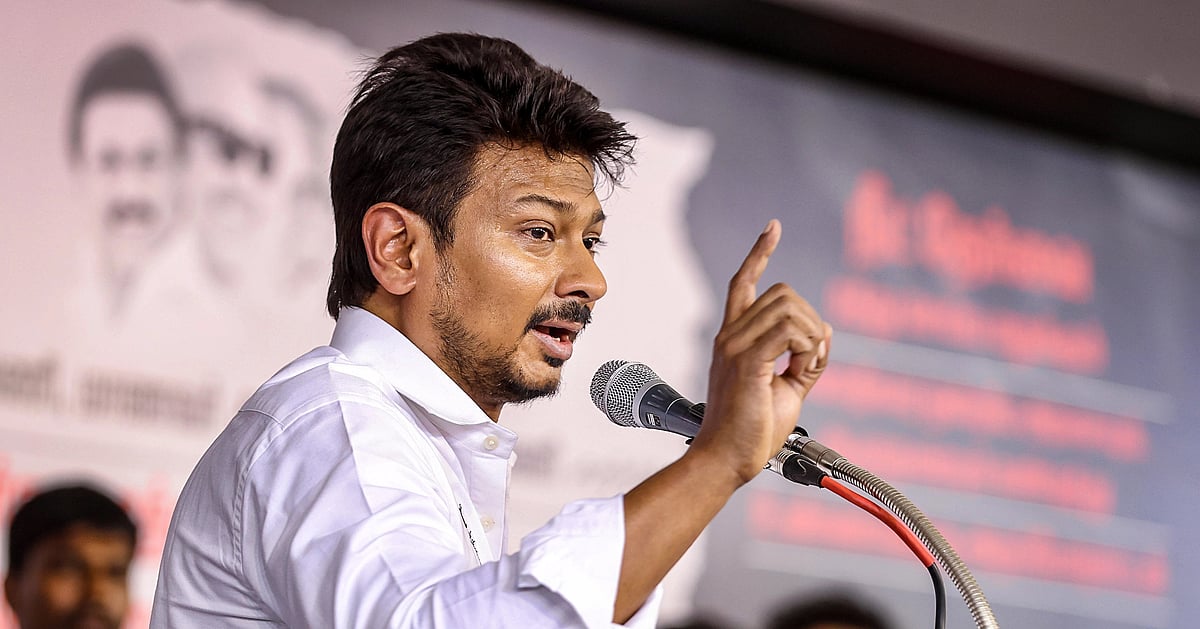
The response from the DMK, as exemplified by Deputy Chief Minister Udhayanidhi Stalin's recent dismissive remarks towards Annamalai, demonstrates a clear strategy of avoidance and deflection. Instead of engaging directly with the specific criticisms, Udhayanidhi's curt dismissal reveals a preference for minimizing public attention on these controversial matters. This approach might stem from a belief that directly addressing Annamalai's accusations could inadvertently legitimize them or lead to further public scrutiny. Alternatively, it may reflect a broader strategy of ignoring the opposition in the hopes that their criticisms will lose momentum and ultimately fail to resonate with voters. The choice to avoid engagement, however, leaves the public without a clear and substantive response to the issues raised by the BJP, possibly allowing negative perceptions to fester and impact public opinion.
The broader implications of this ongoing political face-off extend beyond the immediate conflict between the two leaders. The DMK-BJP rivalry serves as a microcosm of the larger national political dynamics at play. The BJP's growing presence in Tamil Nadu, traditionally a stronghold for Dravidian parties, presents a significant challenge to the DMK's long-held dominance. Annamalai's aggressive tactics, therefore, can be interpreted as part of a broader BJP strategy to consolidate power and expand its influence in the state. The DMK's response, marked by both robust defense and calculated silence, reflects their determination to retain their political hegemony. This struggle for dominance highlights the shifting political landscape in Tamil Nadu and the wider national implications of regional power plays. The intensity of the conflict, coupled with the imminent prospect of upcoming elections, suggests that the DMK-BJP clash will continue to shape the political narrative in Tamil Nadu for the foreseeable future, with significant consequences for the state's governance and political future.
Further analysis requires considering the broader socio-economic context of Tamil Nadu. Public opinion regarding the various policies and actions of both parties will play a critical role in determining the outcome of this political struggle. The media's role in shaping public perception also deserves attention; the way news is reported and framed can significantly influence how voters perceive the actions and statements made by both the DMK and the BJP. Future research should explore the views of different demographic groups to gain a comprehensive understanding of the impact of this political feud on the population of Tamil Nadu. Understanding voter sentiment is critical to predicting the potential electoral consequences of this ongoing conflict. A comprehensive study should consider the use of social media and other forms of digital communication in the dissemination of political messages, identifying potential biases or manipulations that might affect public perception. Such a thorough analysis would provide valuable insights into the evolving dynamics of Tamil Nadu politics and the techniques used to shape public opinion in the contemporary digital age.
Source: DMK-BJP faceoff: Tamil Nadu Deputy CM Udhayanidhi parries questions on Annamalai