
 |
|
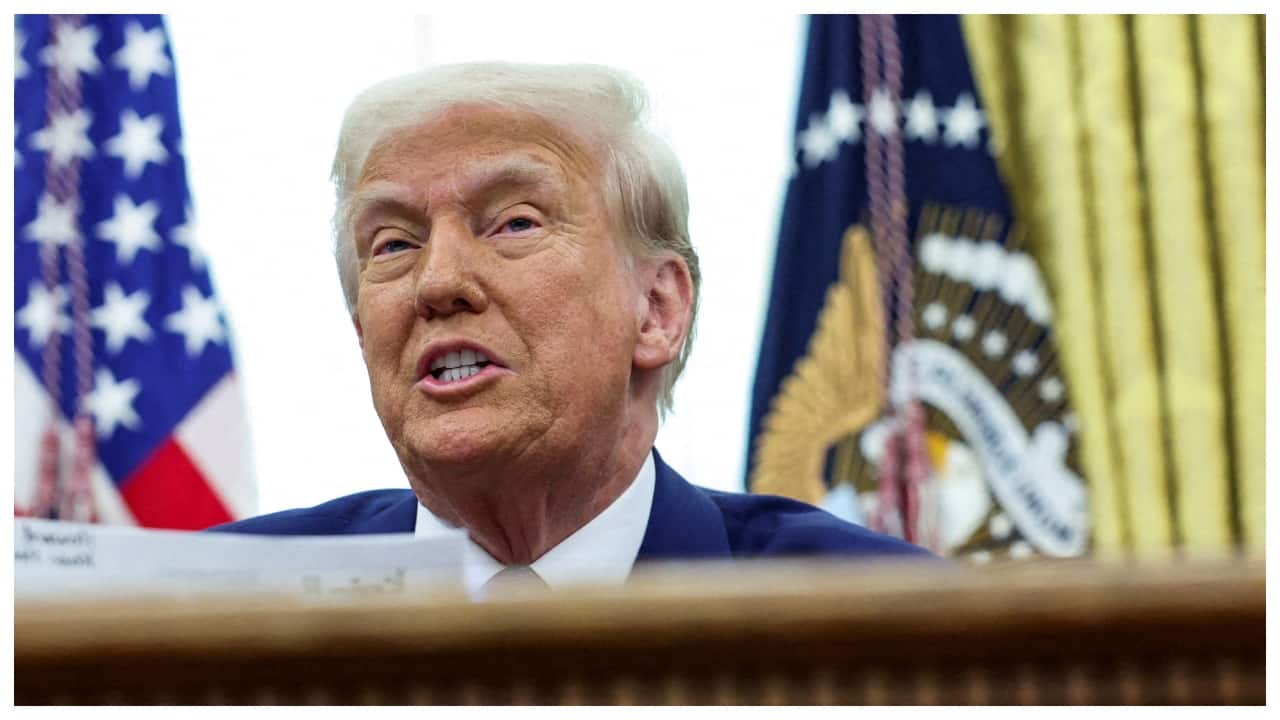
The recent controversy surrounding the allocation of $21 million in USAID funds for voter turnout in India has ignited a firestorm of criticism, particularly from former US President Donald Trump. Trump, in a speech to the Republican Governor’s Association, vehemently denounced the funding as a ‘kickback scheme,’ questioning the US government’s involvement in Indian electoral processes. His assertion, devoid of concrete evidence, paints a picture of corruption and misplaced priorities, suggesting that the funds were not used for their intended purpose but rather diverted through a system of illicit backroom dealings. This strong condemnation, coming from a high-profile figure like Trump, amplifies the existing concerns and raises serious questions about the transparency and accountability surrounding the USAID program in India. The lack of transparency regarding the specific implementation of the program has fueled speculation and further strengthened Trump's accusations. The perceived absence of clear objectives and measurable outcomes allows room for suspicion, creating an environment conducive to the propagation of unsubstantiated claims of corruption.
Trump’s criticism extends beyond the financial aspect, touching on the fundamental question of US involvement in Indian domestic affairs. He rhetorically asks why the US should be concerned with Indian voter turnout when it has its own internal issues to address. This argument highlights the broader debate surrounding the role of foreign aid in influencing the political landscape of sovereign nations. While proponents argue that such aid promotes democracy and good governance, critics express concerns about potential interference in the internal affairs of recipient countries and the risk of undermining their sovereignty. Trump's stance reflects this latter perspective, emphasizing the principle of national self-determination and suggesting that the US should focus its resources on domestic priorities rather than meddling in the affairs of other countries. This raises crucial questions about the ethical considerations and potential unintended consequences of foreign aid initiatives that may be perceived as intrusive or manipulative.
The controversy has further ignited a major political storm within India, with the ruling BJP and the opposition Congress party engaging in a heated exchange of accusations. The differing political ideologies and vested interests within India provide fertile ground for the amplification of this international controversy. The BJP, aligning with Trump’s skepticism, may use the allegations to criticize the opposition and bolster its own image. Conversely, the Congress party may attempt to counter this narrative, defending the funding as legitimate aid aimed at strengthening democratic processes in India. This domestic political battle adds another layer of complexity to the situation, demonstrating how international issues can quickly become intertwined with domestic political dynamics, further escalating tensions and hindering any potential for a clear and straightforward resolution. The lack of clear information from both the US and Indian governments further fuels speculation, leading to a confusing and potentially damaging environment for both countries' international relations.
Beyond the immediate political ramifications, the controversy highlights a broader need for greater transparency and accountability in international aid programs. The lack of clear guidelines and mechanisms for monitoring and evaluating the impact of such programs invites accusations of misuse and corruption. The incident underscores the importance of implementing robust oversight procedures to ensure that funds are used effectively and transparently. Furthermore, it underscores the need for enhanced communication and collaboration between donor and recipient countries, fostering open dialogue and mutual understanding regarding the goals, implementation, and impact of foreign aid initiatives. Failure to address these systemic issues may lead to future controversies, undermining public trust in international aid and hindering efforts to promote good governance and sustainable development globally. Ultimately, the resolution of this controversy requires not only a thorough investigation into the specific allocation of funds but also a comprehensive review of the existing processes and mechanisms governing international aid programs to prevent similar incidents from occurring in the future.
Source: Donald Trump calls USAID funds to India 'kickback scheme': 'Why is US caring about Indian turnout?'