
 |
|
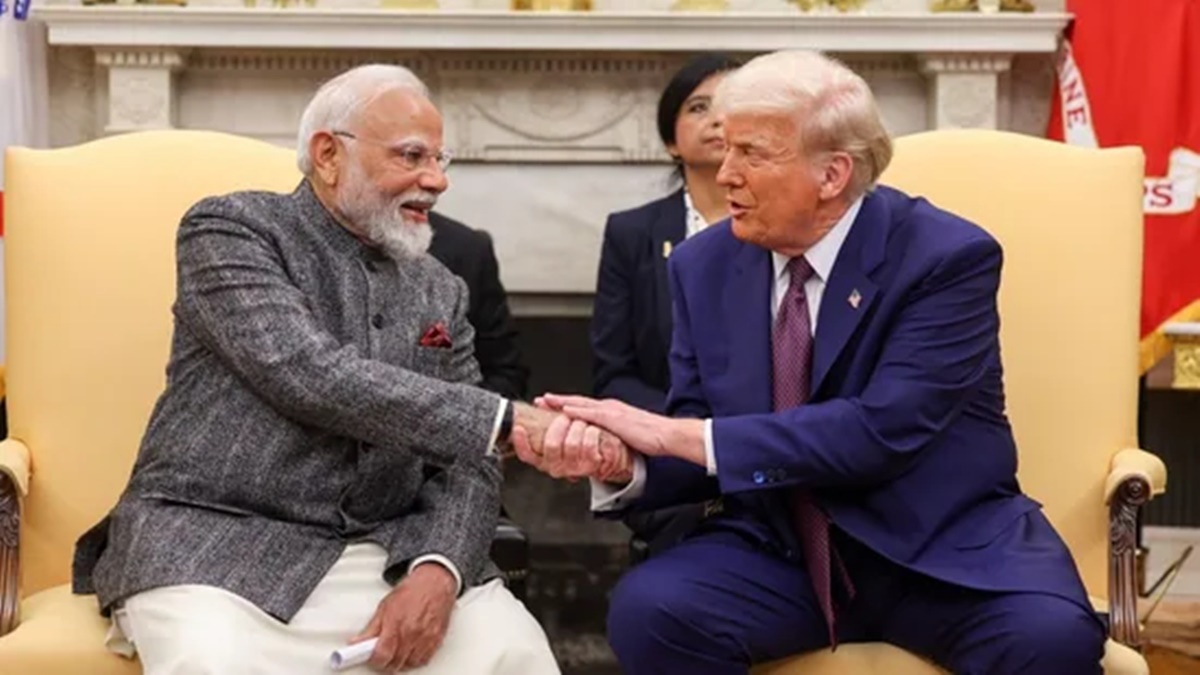
The recent visit of Indian Prime Minister Narendra Modi to the United States was marked by significant discussions regarding trade relations, particularly concerning the substantial tariffs imposed by India on imported goods. These discussions, as revealed in a recent interview given by US President Donald Trump to Fox News, centered on the principle of reciprocal tariffs. President Trump highlighted India's high import tariffs, specifically mentioning the 100% tariff levied on foreign-designed cars, a point previously emphasized by Tesla CEO Elon Musk. This high tariff acts as a significant barrier to entry for foreign car manufacturers, hindering companies like Tesla from establishing a presence in the burgeoning Indian electric vehicle market. The imposition of such high tariffs, President Trump argued, is unfair to American businesses and contradicts the spirit of fair trade agreements. He presented his stance as an effort to promote balanced and equitable trade practices.
During the conversation with Prime Minister Modi, President Trump proposed a straightforward reciprocal tariff policy. This policy, according to Trump's account, would entail the United States imposing tariffs that precisely match the tariffs levied by other countries on American imports. This 'tit-for-tat' approach, Trump claimed, is not merely punitive but a necessary measure to level the playing field in international trade. He stated explicitly that this would be implemented with every country. The direct quote, ‘Whatever you charge, I’m charging,’ encapsulates the core of this proposed strategy. This assertive stance reflects the Trump administration's broader emphasis on renegotiating trade deals to achieve what it considers to be a more favorable outcome for the United States. The President emphasized his commitment to fairness and suggested that the high tariffs imposed by other nations are ultimately detrimental to their own economic interests, arguing that it would benefit them to engage in more equitable trade practices.
The specific case of India’s 100% tariff on imported cars serves as a stark example of the trade imbalances that President Trump aims to rectify. This high tariff creates a significant obstacle for American car manufacturers and underscores the broader tensions in US-India trade relations. The discussion between Trump and Modi highlights the complexities inherent in negotiating trade agreements, balancing the interests of both nations while striving for mutual benefit. While the specifics of any agreement reached remain undisclosed, the interview suggests a considerable disagreement regarding the approach to tariff policy. Prime Minister Modi’s reported response of ‘No, no, I don’t like that,’ indicates a reluctance to adopt a completely reciprocal tariff structure. This suggests that further negotiations will be necessary to find a mutually acceptable solution. The outcome of these negotiations will significantly impact the future of trade relations between the United States and India, potentially affecting various industries and having broader geopolitical implications.
The consequences of a failure to reach a mutually agreeable resolution could be substantial. A trade war, characterized by escalating retaliatory tariffs, could negatively impact economic growth in both countries. American consumers might face higher prices for imported goods from India, and Indian consumers could experience similar increases in the prices of American products. The potential for disruption to supply chains and investment flows also adds to the stakes. Moreover, the outcome of these trade negotiations could influence the broader geopolitical relationship between the two countries. The emphasis on reciprocal tariffs reflects a broader global trend towards protectionist trade policies in some parts of the world. The Trump administration's approach highlights a willingness to prioritize American interests and challenge what it perceives as unfair trade practices. The long-term implications of this approach remain to be seen, but it is likely to shape the landscape of international trade for years to come. The global implications are substantial, not only concerning automotive trade between the US and India, but the wider impact on international trade and diplomatic relations.
The interview with President Trump offers a glimpse into the ongoing tensions in international trade and the complex negotiations needed to reach mutually beneficial agreements. While the specific details of the conversation between Trump and Modi remain largely undisclosed, the President's account reveals significant differences in approaches to tariff policy. The reported rejection of a fully reciprocal tariff system by Prime Minister Modi suggests that the two nations have yet to find common ground. Future negotiations are critical in resolving these differences and finding a sustainable solution that promotes fair and equitable trade between the United States and India. The long-term consequences of these negotiations will significantly influence bilateral relations, the global automotive market, and international trade dynamics overall. The resolution of this matter, thus, demands careful consideration and pragmatic solutions to ensure that both nations can maintain their competitive position in the global economy. Further investigation and analysis are needed to fully understand the potential impacts of both short-term and long-term agreements.
Source: ‘Here’s what we’re going to do’: Trump shares insights on tariff talks with PM Modi